
Why Everyone Is Talking About Multifamily ADUs (And Why You Should Too)
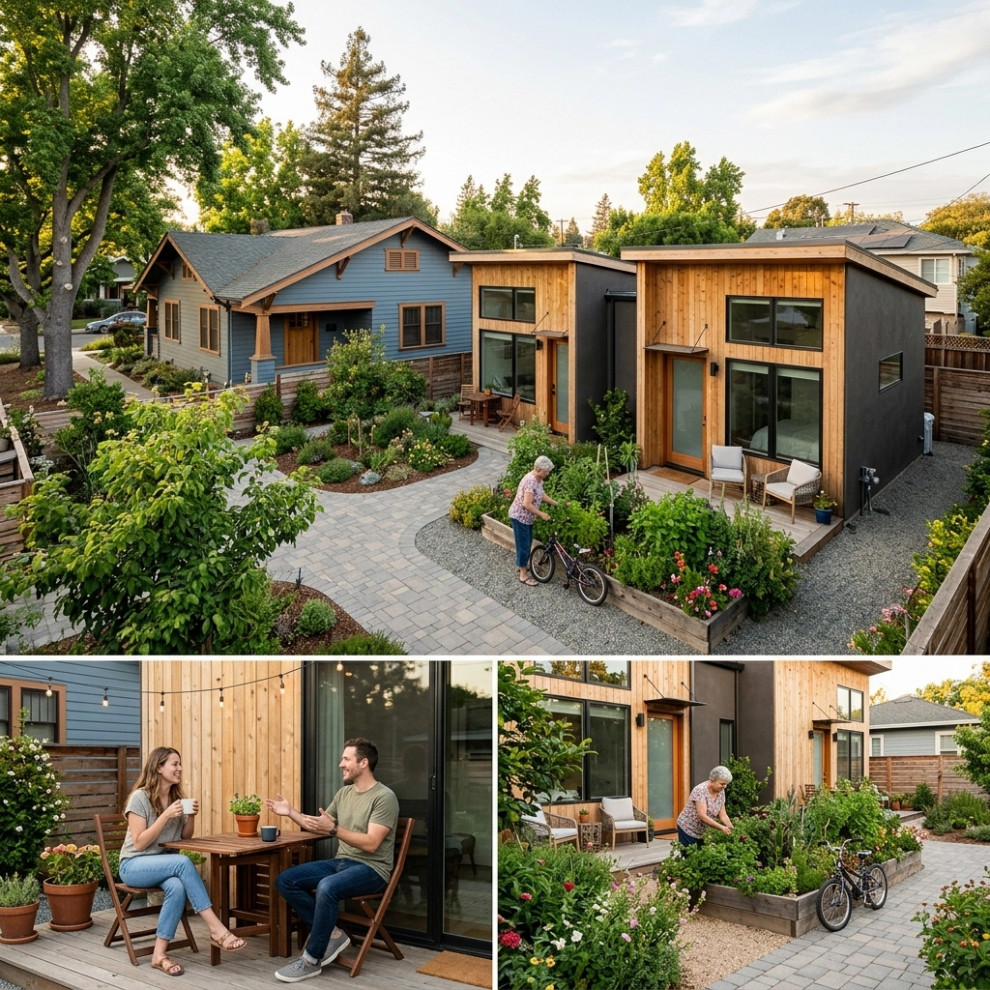
If you have spent any time looking at real estate trends in the last year, you have likely heard the term "ADU" more times than you can count. But lately, the conversation has shifted from small backyard cottages for grandma to something much more ambitious: Multifamily Accessory Dwelling Units.
At COLEMAN BUILD LLC, we are seeing a massive surge in interest from property owners who realize that their existing apartment buildings or multi-unit lots are essentially "gold mines" hiding in plain sight. Whether you own a duplex, a four-plex, or a larger apartment complex, the rules of the game have changed: and they have changed in your favor.
Why is everyone suddenly talking about this? It is the perfect storm of legislative support, a dire need for housing, and a significant opportunity for property owners to boost their bottom line without buying a single new acre of land.
The Shift in the Regulatory Landscape
For a long time, adding units to a multifamily property was a bureaucratic nightmare: a maze of zoning restrictions, parking requirements, and "not in my backyard" pushback. However, new state laws, particularly in California, have stripped away many of these barriers.
We are now operating in an environment where the state is actively encouraging density. For instance, under laws like SB 1211, multifamily property owners can often add up to eight detached ADUs on their property, provided they do not exceed the existing unit count. Even more impressive is the "25% rule," which allows owners to convert underutilized interior spaces into ADUs: up to 25% of the existing unit count.
Imagine owning an eight-unit building and being told you can legally add two more units just by reconfiguring the basement or the old storage rooms. That is not just a renovation; it is a complete transformation of your asset’s value. If you are weighing your options between different types of units, you might find our guide on ADU vs. JADU strategies helpful for narrowing down your specific goals.
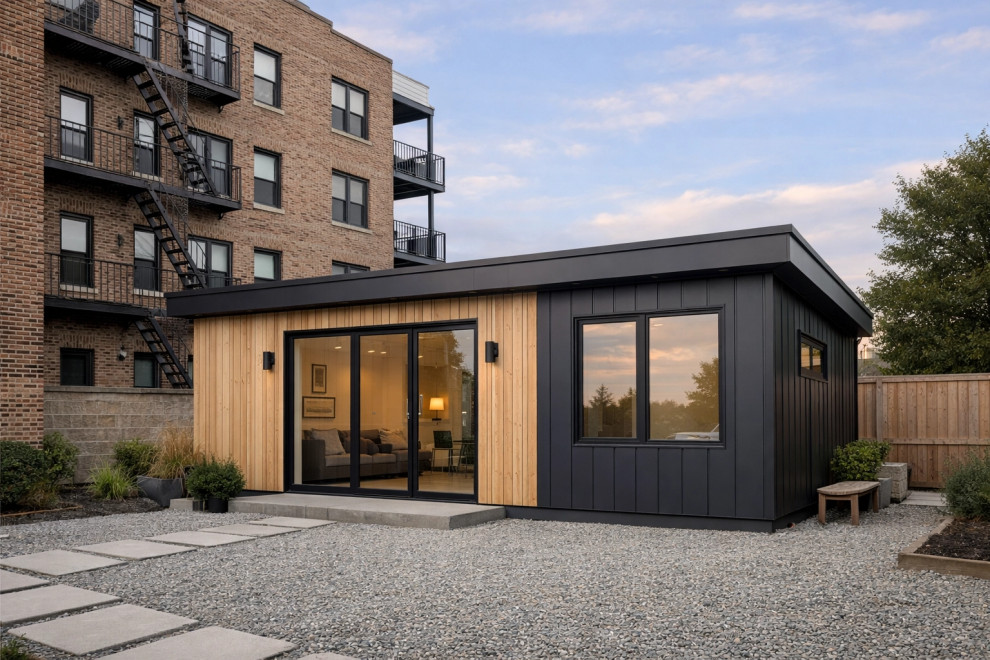
Maximizing the Space You Already Own
One of the most exciting aspects of multifamily ADUs is the "found space" element. We often walk through properties with our clients and see incredible potential in areas that have been ignored for decades.
Consider these common underutilized spaces:
- Unused Basements: Often dark and filled with old clutter, these can be transformed into sleek, modern garden-level apartments.
- Attached Garages: With parking requirements being relaxed in many transit-rich areas, converting a bank of garages into a row of studios is a brilliant way to maximize square footage.
- Large Laundry Rooms or Leasing Offices: As digital management becomes the norm, physical office space is becoming less necessary: making it the perfect candidate for a studio conversion.
- Tuck-Under Parking: These open-air covered parking spots can often be enclosed and converted into living space with the right engineering.
By focusing on these areas, you are making an intentional choice to increase your property's density without the massive capital expenditure of a ground-up development. It is about working smarter with the footprint you already have.
The Financial Logic: A "Win-Win" for Investors
From a financial perspective, multifamily ADUs offer a dual benefit: immediate cash flow and long-term appreciation. When you add a unit to an existing multifamily property, your "cost per door" is typically much lower than if you were to buy a new property. You already own the land, you already have the utility hookups nearby, and you likely already have a management structure in place.
Every new unit you add provides a fresh stream of rental income. In a market where housing is in short supply, these smaller, more affordable units are highly sought after by young professionals, students, and seniors. This steady income increases your Net Operating Income (NOI), which in turn significantly boosts the overall market value of your property.
We often see that the return on investment for an ADU conversion is much faster than traditional renovations. While a kitchen renovation might allow you to raise rent by a few hundred dollars, a completely new unit adds an entirely new rent check to your monthly total.
Designing for Density and Comfort
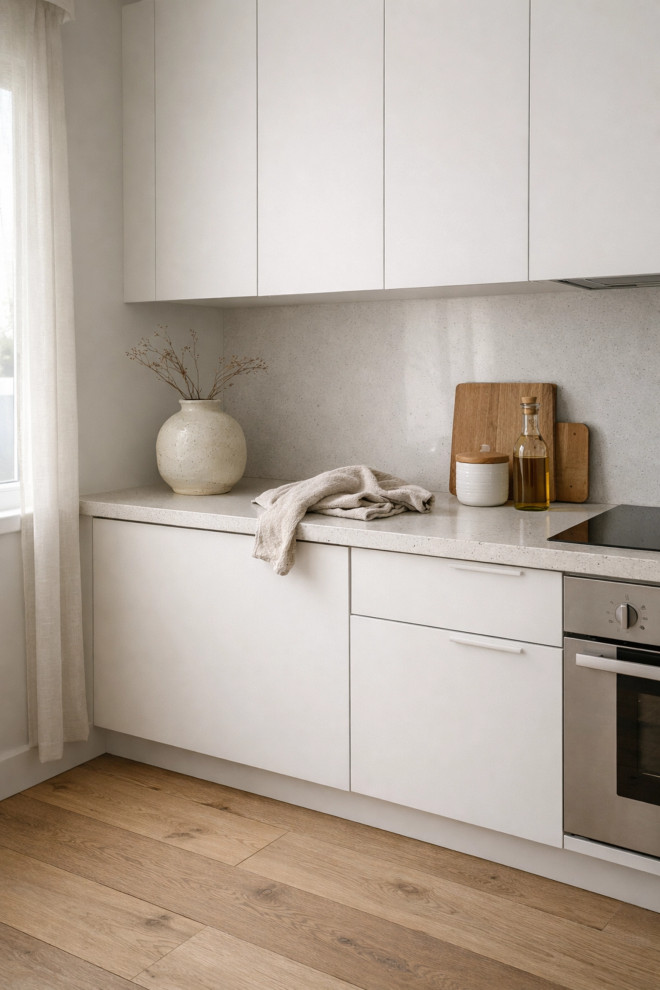
When we design these units, we focus on a "both/and" approach. The units need to be compact enough to fit into existing structures, but they must also feel welcoming and harmonious. We don’t want these to feel like "converted closets"; we want them to feel like thoughtful, high-end homes.
This is where the choice of materials becomes critical. For example, using Mohawk flooring can provide the durability needed for rental units while maintaining a high-end, seamless look. We also lean heavily on smart storage solutions: think built-in shelving, lofted sleeping areas, and multi-functional furniture: to make 400 square feet feel like 600.
Lighting is another secret weapon. Large windows, skylights (where possible), and layered LED lighting can take a basement unit from "cave-like" to "airy and bright." Our team takes pride in these small details because we know they are what attract and keep quality tenants.
A Solution to the Housing Crisis
Beyond the financial gains, there is a community benefit that we shouldn't overlook. We are currently facing a massive housing shortage, and large-scale apartment complexes can take years to move from the planning stage to completion.
Multifamily ADUs offer a "missing middle" solution. They provide a way to increase the number of homes in a neighborhood quickly and sustainably. Because these units are built on existing lots, they don’t contribute to urban sprawl. They utilize existing infrastructure: roads, sewers, and power lines: making them an environmentally conscious choice for growing cities. When you build an ADU, you are playing a direct role in making your community more accessible and affordable.
Navigating the Construction Process
We understand that the idea of construction can be daunting, especially when you have existing tenants to consider. The key to a successful multifamily ADU project is a strategy that minimizes disruption.
We recommend an "early order strategy" for materials to avoid the delays that often plague construction projects. If you're curious about why this matters, you can read more about avoiding change orders and delays on our blog.
A typical project might follow this building-block progression:
- Feasibility Study: We look at your site map and local ordinances to see exactly what is allowed.
- Design and Permitting: Creating a layout that maximizes space while meeting all safety codes.
- Utility Planning: Ensuring the new units have proper plumbing, electrical, and HVAC without overtaxing the existing systems.
- Efficient Build-Out: Using a professional crew that understands the nuances of working in occupied buildings.
Whether it’s a simple repair or a full-scale remodel, our goal is to get the job done with minimal impact on your current residents' daily lives.
Overcoming Common Hurdles
It is true that these projects come with their own set of challenges. You might worry about losing parking spaces or dealing with the increased trash and utility needs of more residents. However, many cities are now allowing for "unbundled parking," and new technologies in waste management and energy-efficient appliances can help mitigate the impact of extra units.
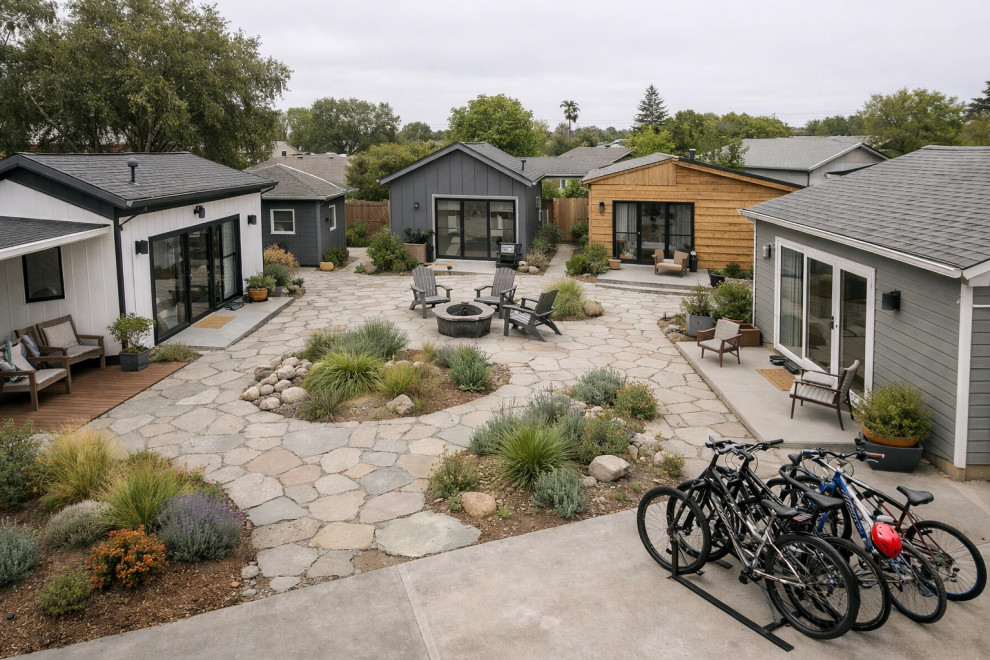
There is also the question of privacy. If you are adding detached ADUs to a courtyard, you want to ensure that every resident: old and new: still feels they have their own space. We use "intentional landscaping," strategic window placement, and soundproofing materials to maintain the peaceful atmosphere of your property.
Partnering for Your Property’s Future
At COLEMAN BUILD LLC, we believe that multifamily ADUs represent the future of residential real estate. They are a rare example of a "perfect fit": balancing the needs of the owner, the tenants, and the city.
The process can feel complex, from navigating SB 1211 to choosing the right bathroom renovations for a tight space, but you don’t have to do it alone. We are here to guide you through every step, ensuring that your investment is handled with the professionalism and care it deserves.
If you are ready to see how many "hidden units" are currently sitting on your property, we would love to help you explore the possibilities. The housing landscape is changing rapidly, and there has never been a better time to take advantage of the multifamily ADU trend.
Transforming Possibility into Reality
The surge in multifamily ADUs isn’t just hype: it’s a practical response to a changing world. By converting underutilized spaces, leveraging favorable new laws, and focusing on high-quality design, you can significantly increase your property’s value while providing much-needed housing.
It is an exciting time to be a property owner. With a little bit of vision and a professional team by your side, those unused garages or dusty basements can become the most profitable part of your portfolio. Let’s look at your property through a new lens and see what we can build together.
If you're interested in learning more about our services or want to see some of our past projects, feel free to reach out. We are ready to help you turn your property’s untapped potential into a reality.