
ADU vs. JADU: Which One Is Actually Better for Your LA Rental Strategy?
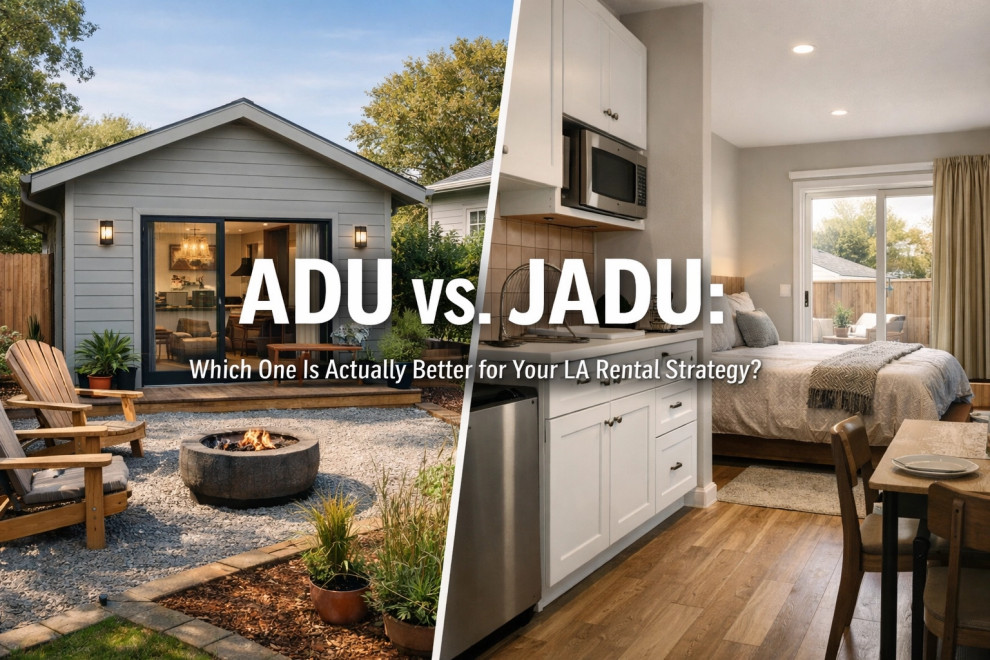
If you have been keeping an eye on the Los Angeles real estate market lately, you have probably noticed a major shift in how homeowners are utilizing their property. The days of the simple backyard shed are over: replaced by a booming interest in Accessory Dwelling Units (ADUs) and their smaller cousins, Junior Accessory Dwelling Units (JADUs).
But here is the catch: while both offer a way to generate extra income or house family members, they are not created equal. Choosing the wrong one for your specific lot or financial goals could mean leaving money on the table or getting tangled in a web of Los Angeles zoning red tape.
At COLEMAN BUILD LLC, we spend our days helping homeowners navigate these exact decisions. Whether you are looking to create a high-end long-term rental or simply want to maximize the footprint of your existing home, understanding the nuances between an ADU and a JADU is the first step toward a successful investment.
Defining the Contenders: What is the Difference?
Before we dive into the rental strategies, let’s clear up the definitions. It is easy to get these two confused, but the legal distinctions in California are quite specific.
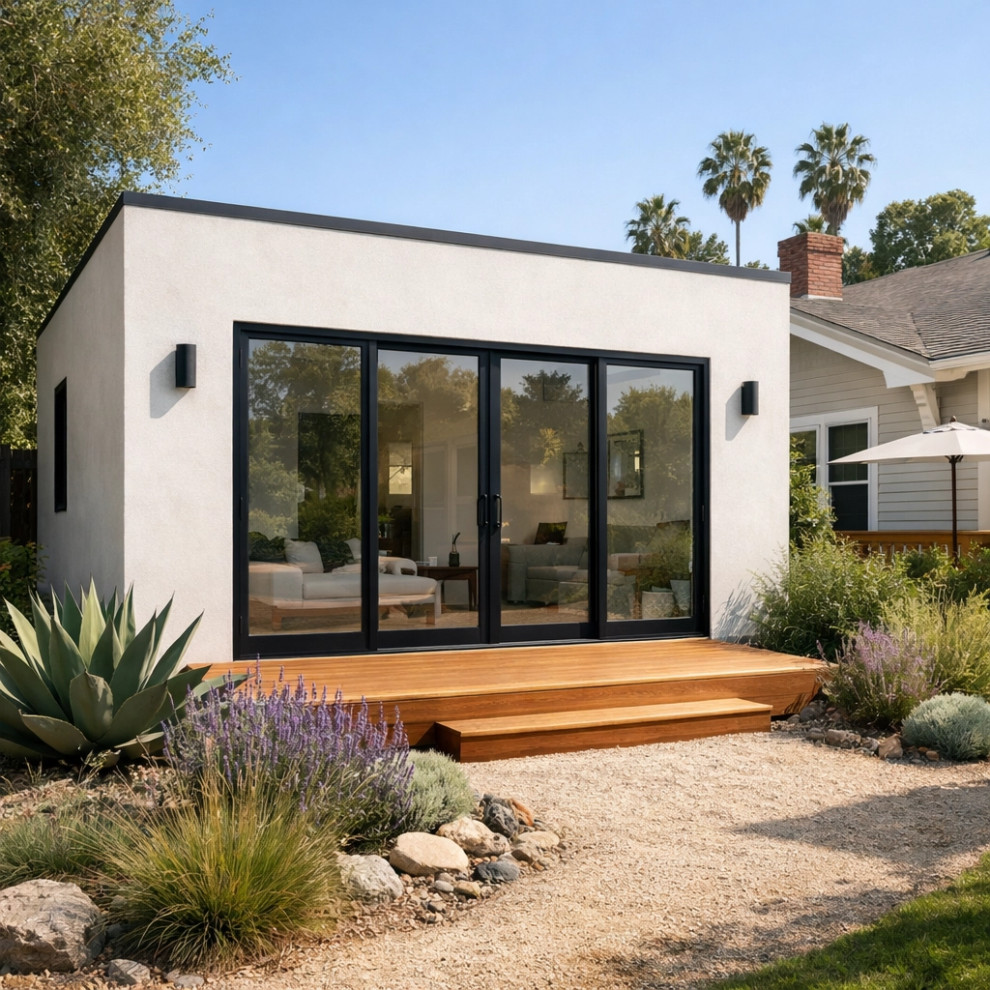
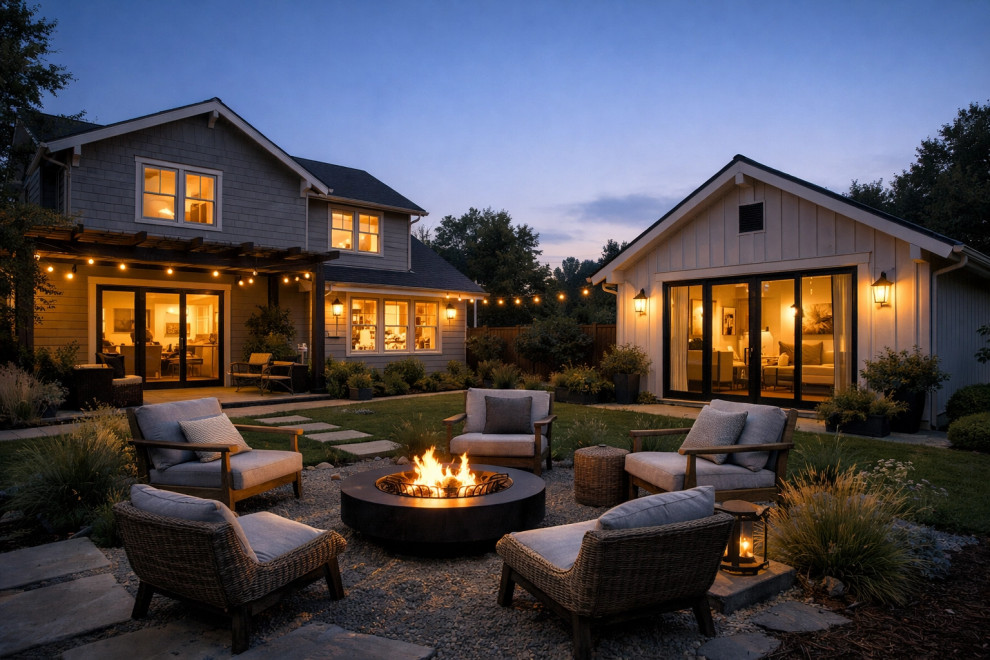
An ADU is a fully independent living unit. Think of it as a small house that happens to share a lot with a larger one. It has its own entrance, a full kitchen, a bathroom, and separate utility connections. In Los Angeles, these can be detached (like a new building in the backyard) or attached to the main house.
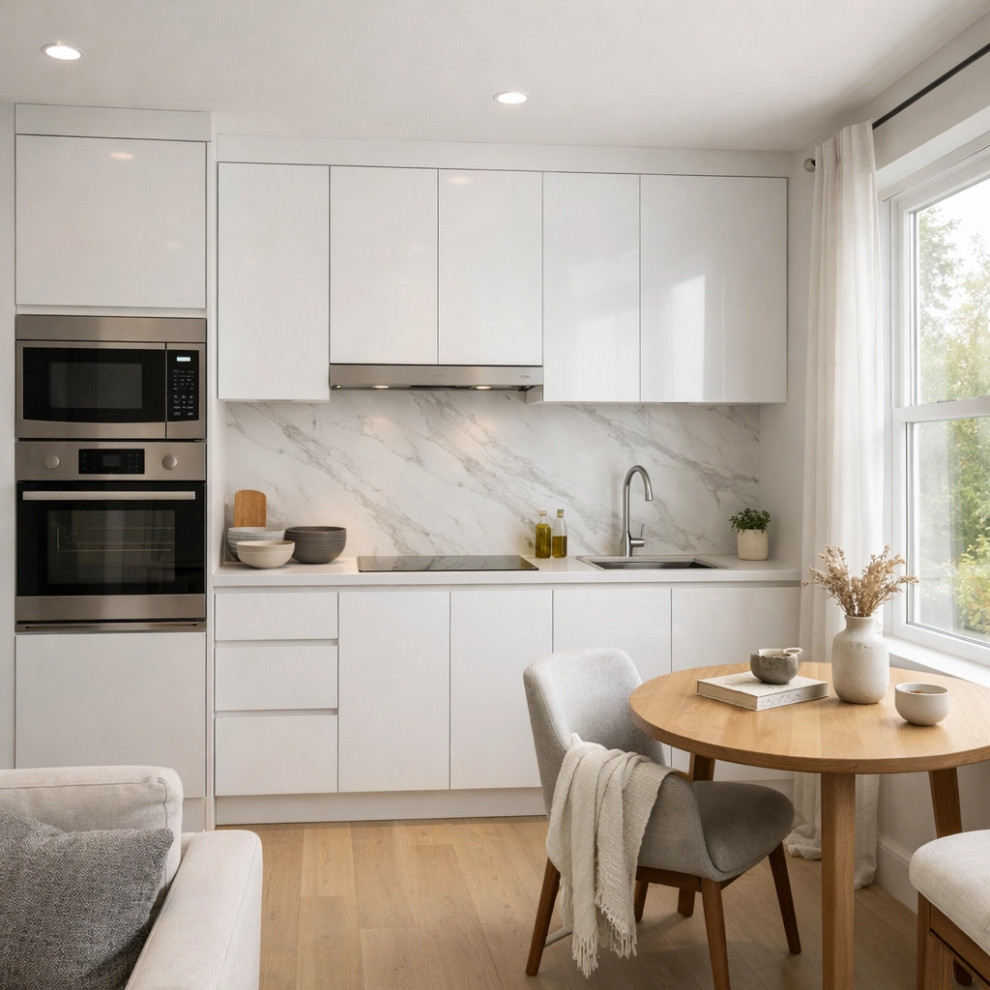
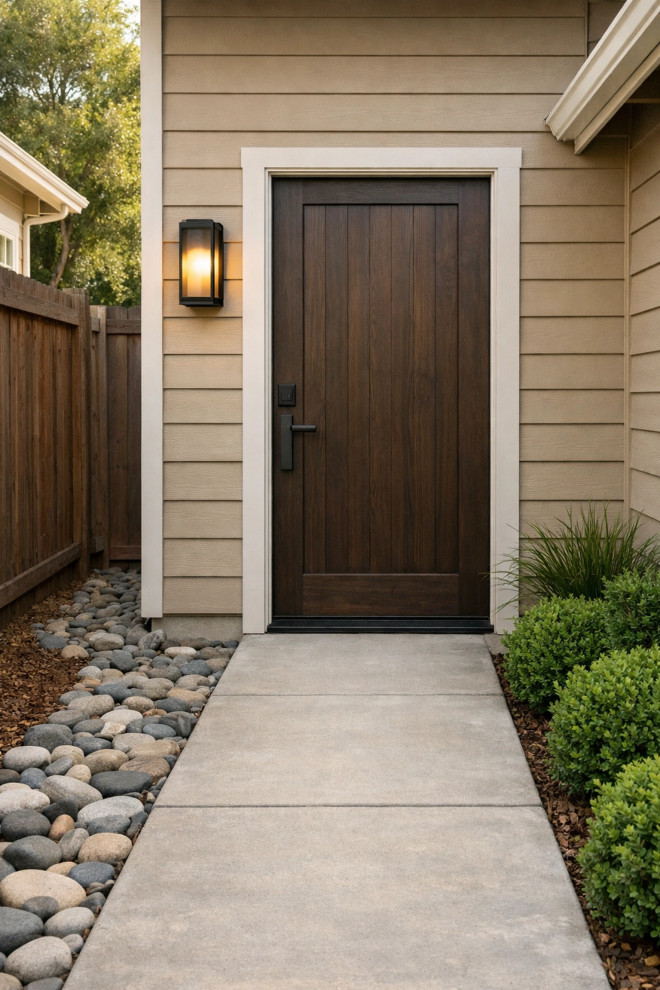
A JADU, on the other hand, is a "Junior" unit. These are much smaller: strictly capped at 500 square feet: and must be contained entirely within the walls of an existing or proposed single-family residence. They are often converted bedrooms or attached garages. While they have their own entrance, they only require an "efficiency kitchen" and can even share a bathroom with the main house, though most owners choose to include a private one to increase rental appeal.
The Cost of Entry: Budgeting for Success
When we talk about rental strategy, the conversation always starts with the initial investment. How much capital are you willing to deploy to get that first rent check?
If you are looking for a quick, budget-friendly entry into the rental market, the JADU is the clear winner. Because you are working within the existing "envelope" of your home, you aren't dealing with the massive costs of pouring a new foundation or framing a standalone structure. We typically see JADU conversions in LA ranging from $50,000 to $90,000, depending on the level of finishes.
Full-sized ADUs are a different story. Whether you are doing a garage conversion or building a ground-up cottage, the costs are higher because the scope is larger. You are essentially building a custom home on a smaller scale. However, the potential for a higher appraisal and more monthly rent often justifies the $150,000+ price tag for many of our clients.
Rental Income Potential: Which Generates More Cash?
This is where your long-term strategy comes into play. You have to ask yourself: who is my ideal tenant?
The ADU Advantage
An ADU can be as large as 1,200 square feet in Los Angeles. This allows for a two-bedroom or even a three-bedroom layout. This extra space opens up your tenant pool to small families, couples who both work from home, or roommates. Because an ADU offers a full kitchen (with a stove, oven, and full-sized fridge) and total privacy, you can command "market rate" for a small house or high-end apartment. In many LA neighborhoods, a well-designed 2-bedroom ADU can bring in $3,000 to $4,500 per month.
The JADU Reality
With a 500-square-foot limit, a JADU is almost always going to be a studio or a very tight one-bedroom. Your tenant pool will likely be single professionals, students, or retirees. Because the kitchen is an "efficiency" style: often meaning a plug-in cooktop rather than a full range: the rent will naturally be lower. However, because your initial construction cost was so much lower, your "cash-on-cash" return might actually be higher with a JADU than with a massive ADU.
The Critical LA Rental Limitation
There is one rule that catches many homeowners off guard: the short-term rental ban.
In the City of Los Angeles and most of Southern California, neither ADUs nor JADUs can be used for short-term rentals (like Airbnb or VRBO) if they were built under the state’s recent ADU laws. You are restricted to long-term tenants, which means leases of 30 days or longer.
When planning your strategy, we always recommend looking at the long-term stability of the rental market rather than chasing the "vacation rental" dream. For more on how these units impact your total property value compared to other options, you might find our breakdown of ADU vs. Home Additions helpful.
Zoning and the "Owner Occupancy" Rule
This is perhaps the most important legal distinction you need to know.
For a JADU, California law allows local jurisdictions to require that the property owner lives on-site: either in the main house or in the JADU itself. This prevents investors from buying a house, putting in a JADU, and renting out both units while living elsewhere.
For a standard ADU, there is currently a state-wide moratorium on owner-occupancy requirements (for units permitted before 2025). This makes the ADU the superior choice for "pure" investors who want the flexibility to rent out both the main house and the back unit without ever stepping foot on the property.
If you plan to live in your home for the next twenty years and just want a little help with the mortgage, a JADU is a fantastic, low-friction option. But if you want a flexible asset that you can move out of later, the ADU offers more freedom.
Can You Have Both? The "Power Play" Strategy
One of the most exciting developments in California housing law is that on many single-family lots, you don't actually have to choose. You are often allowed to build one ADU and one JADU on the same property.
Imagine this: You convert your attached garage into a 500-square-foot JADU for a single tenant, and you build a new 1,000-square-foot detached ADU in the backyard for a small family. Suddenly, your single-family home has become a "triplex" in terms of income generation.
This strategy requires a larger upfront investment and careful planning to ensure everyone has enough privacy and outdoor space, but it is the ultimate way to maximize a rental strategy in high-demand areas like Santa Monica, Silver Lake, or the Valley. If you're interested in seeing how we've handled complex layouts, take a look at our recent projects.
The Decision Matrix: Which One is Right for You?
Still undecided? Let’s break it down into a simple checklist.
Choose a JADU if:
- You have a limited budget ($50k - $90k).
- You want to get to market quickly (shorter permit and build times).
- You have an underutilized guest room or attached garage.
- You plan to live on the property for the foreseeable future.
- You are okay with a slightly lower monthly rent in exchange for lower overhead.
Choose an ADU if:
- You want to maximize the total value of your property.
- You have the space for a detached structure.
- You want to attract long-term, high-quality tenants like families or couples.
- You want a "full" kitchen and more traditional living space.
- You might want to rent out the entire property (main house and unit) in the future without living there
Making the Next Move
Building any kind of secondary unit in Los Angeles is a significant undertaking. Between navigating the Los Angeles Department of Building and Safety (LADBS) and ensuring your kitchen renovation or ADU build stays on budget, there are plenty of moving parts.
At COLEMAN BUILD LLC, we believe that your home should work for you. Whether that means a cozy JADU for some extra monthly cash flow or a sprawling detached ADU that doubles your square footage, we are here to guide you through every step of the process: from the first sketch to the final inspection.
The Los Angeles rental market isn't getting any less competitive, and the best time to start building your "backyard goldmine" is now. If you're ready to see what is possible on your lot, we’d love to chat. You can reach out to us through our contact page to start the conversation about your specific property and goals.
Transforming your property is about more than just adding walls and a roof; it's about creating a space that adds value to your life and the community. We look forward to helping you build something intentional, harmonious, and( most importantly( profitable.))