
Why Does the 750 Sq Ft Rule Matter Most for Your 2026 ADU Budget?
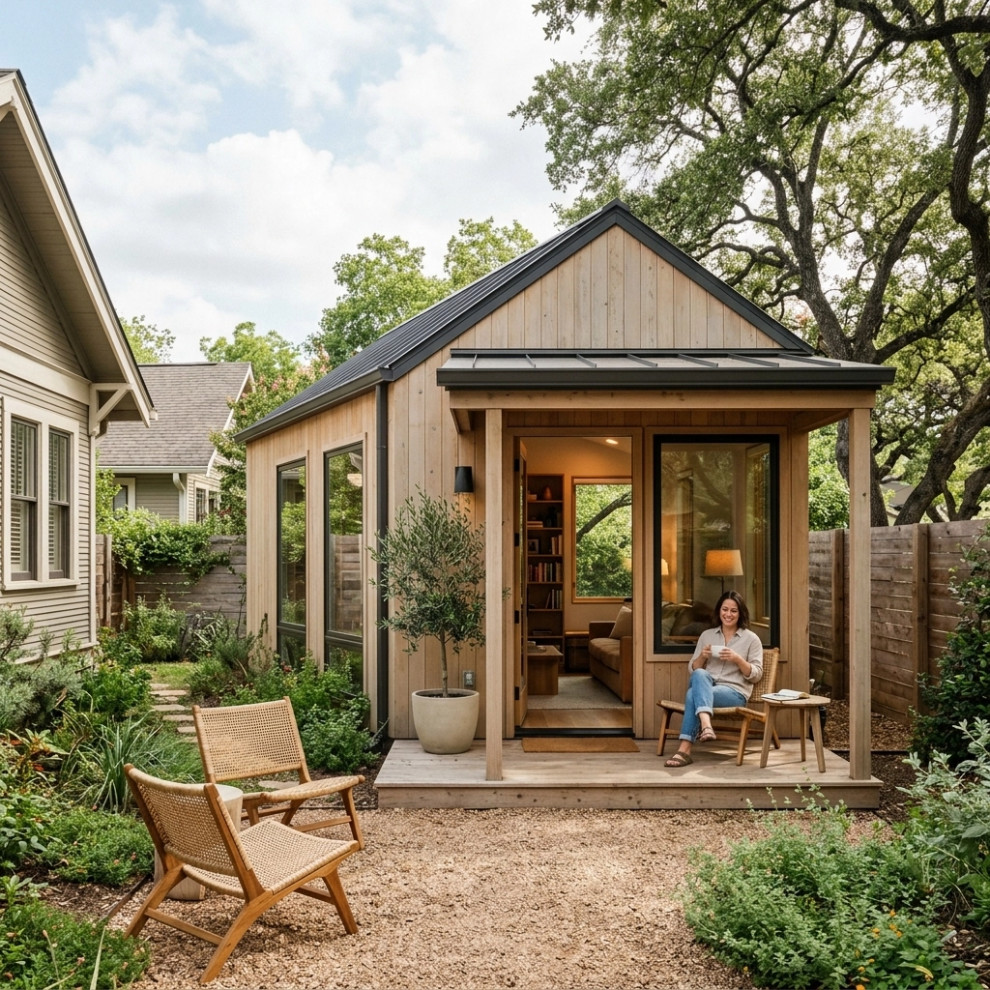
If you have been dreaming about adding an Accessory Dwelling Unit (ADU) to your property this year, you have likely spent hours scrolling through floor plans and Pinterest boards. You might be imagining a spacious two-bedroom cottage or perhaps a sleek, modern studio. However, as we move through 2026, there is one specific number that our team at COLEMAN BUILD LLC wants you to keep at the forefront of your planning: 750.
In the world of California residential construction, 750 square feet is not just a measurement: it is a financial boundary. Crossing it by even a single foot can trigger a wave of expenses that might catch your budget off guard. On the other hand, staying just beneath it can save you thousands of dollars in "hidden" costs.
In this guide, we will walk you through why this threshold matters more than ever in 2026, how new legislative clarifications affect your build, and how you can maximize every inch of a 749-square-foot footprint without sacrificing style or comfort.
Understanding the "Impact" of Development Fees
When you build a new structure, the local municipality often charges what are known as development impact fees. These fees are intended to offset the "impact" your new unit has on local infrastructure: think parks, roads, and emergency services.
Historically, these fees were a significant barrier for homeowners. However, California state law now mandates a major exemption: ADUs that are 750 square feet or smaller are completely exempt from development impact fees.
The moment your interior livable space hits 751 square feet, the local jurisdiction is allowed to charge you impact fees that are proportional to the size of the primary dwelling. In many Southern California cities, this jump can represent an unexpected $5,000 to $15,000 increase in your total project cost. When you are balancing a budget for a house remodel or a new ADU, that is money that could be much better spent on high-end kitchen renovations or premium finishes.
The 2026 Landscape: SB 543 and "Livable Space"
One of the most common questions we hear is: "Does my porch count? What about my garage?"
Fortunately, as we enter 2026, we have much more clarity thanks to legislation like SB 543. This bill was designed to prevent local cities from using vague language to inflate square footage calculations. It codifies the definition of "interior livable space."
Under these rules, certain areas are generally excluded from that critical 750-square-foot calculation:
- Covered patios and decks
- Roof overhangs
- Attached garages or carports
- Unconditioned storage rooms
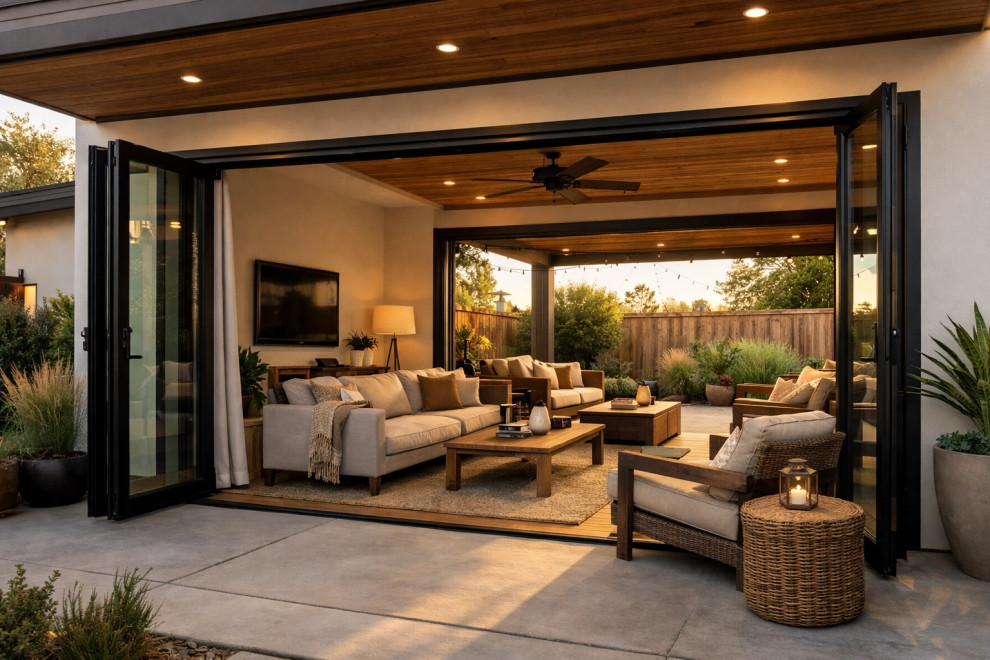
This means we can often design an ADU that feels significantly larger than 750 square feet by utilizing clever outdoor integrations. You might have 745 square feet of climate-controlled living space, but when you add a 150-square-foot covered California room, the unit lives and breathes like a much larger home.
The "Sweet Spot" Strategy
Why does our team consider 750 square feet the "magic number" for 2026? It represents the intersection of maximum utility and minimum bureaucracy.
At 750 square feet, you have enough room for a very comfortable two-bedroom, one-bathroom unit, or an incredibly spacious one-bedroom with a dedicated home office. It is the size that offers the best Return on Investment (ROI) because you are gaining the highest possible rental value while avoiding the highest tier of government fees.
If you are curious about how this fits into a broader investment plan, you might want to read our deep dive into ADU vs JADU strategies. Often, staying under the 750-square-foot mark is the deciding factor in making a rental unit cash-flow positive from month one.
Even Smaller? The 500 Sq Ft Threshold
While 750 is the major hurdle, it is worth noting that there is an even smaller "tier" for those looking to maximize savings. ADUs that are 500 square feet or smaller are exempt from both development impact fees and school impact fees.
School fees are typically calculated per square foot and, while smaller than development fees, they still add up. If you are building a studio for a family member or a simple backyard office, staying under 500 square feet can shave another couple thousand dollars off the bottom line. For projects focusing on bathroom renovations or guest quarters, this smaller footprint is often more than enough.
Designing a "Big" 749-Square-Foot ADU
The challenge of the 750-rule is making a smaller space feel grand. At COLEMAN BUILD LLC, we believe that luxury is not about total square footage: it is about how that footage is used. To make a 749-square-foot ADU feel like a custom home, we focus on several key design elements:
1. Vaulted Ceilings and Natural Light
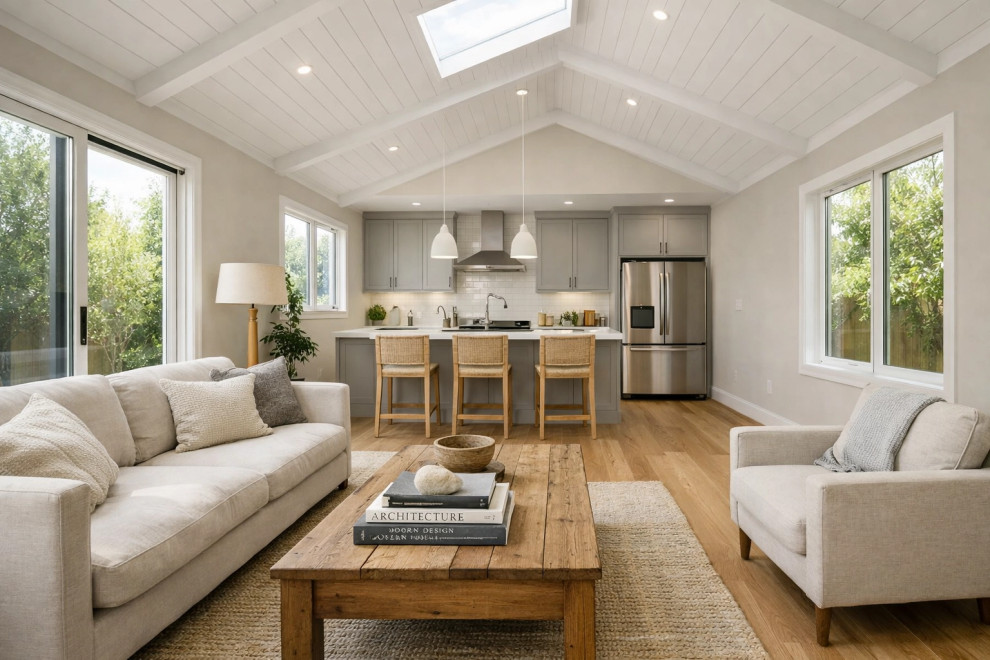
Vertical space is "free" square footage. By opting for vaulted ceilings and oversized windows, we draw the eye upward, making a standard-sized room feel airy and expansive.
2. The Great Room Concept
Removing unnecessary hallways is the easiest way to save space. We often recommend a "Great Room" layout where the kitchen, dining, and living areas flow into one another. You can see examples of this open-concept approach in our kitchen renovation projects.
3. Pocket Doors and Built-ins
Traditional swinging doors require a "clearance arc" that eats up floor space. By using pocket doors that slide into the wall, we free up room for furniture. Similarly, built-in shelving and cabinetry can replace bulky dressers and armoires.
4. Continuous Flooring
Using the same flooring material throughout the entire unit: including the bathroom if using waterproof materials: creates a seamless visual plane. This trick prevents the "choppy" feel that can make small units feel cramped. We often work with high-quality materials like Mohawk flooring to achieve this high-end, unified look.
Why Going "Just a Little Bigger" Often Backfires
It is tempting to think, "What is another 50 square feet? I really want that extra walk-in closet."
In 2026, those extra 50 square feet (taking you to 800 total) are the most expensive square feet you will ever buy. Not only do you pay for the materials and labor for that extra space, but you also trigger the proportional impact fees for the entire structure.
For instance, if your city's proportional fee comes out to $10,000, and you only added 50 square feet of space, you are essentially paying an extra $200 per square foot just in government fees: before a single nail is driven. We always advise our clients to look at their master bedroom remodels and ask: Can we achieve this level of comfort within the 750-square-foot limit? Usually, the answer is a resounding yes with the right design.
Strategic Planning with COLEMAN BUILD LLC
Building an ADU is a journey, and like any journey, it helps to have a map. Our team is here to help you navigate these regulatory waters. From understanding the nuances of SB 543 to ensuring your residential entrance makes a great first impression, we treat every project with a professional, detail-oriented eye.
One of the biggest mistakes homeowners make is waiting too late to involve a builder in the design process. If your architect delivers a plan for 760 square feet, and you don't realize the fee implications until you are at the permitting desk, you are stuck with an expensive redesign. We recommend an early order strategy to lock in your vision and your budget before surprises can arise.
Your 2026 ADU Vision
The 750-square-foot rule is not a limitation; it is an opportunity to be intentional. By staying under this threshold, you are making a savvy financial decision that protects your budget and maximizes your property's potential. Whether you are looking to house a grandparent, create a rental income stream, or simply build a beautiful fire damage repair replacement, understanding these boundaries is the first step toward success.
We would love to help you explore what 750 square feet could look like on your lot. Our experience in residential construction allows us to bridge the gap between "code-compliant" and "beautifully livable."
Are you ready to start planning your 2026 project? We invite you to look through our past projects for inspiration or reach out to us directly through our contact page. Let’s build something together that is both smart and stunning.
Designing an ADU within these parameters allows you to focus your resources on the details that truly matter: the craftsmanship, the finishes, and the feeling of home. It is about creating a space that feels harmonious with your life and your budget. We look forward to guiding you through every step of that transformation.