
Utility Savings: When Your ADU Doesn’t Need a Separate Meter
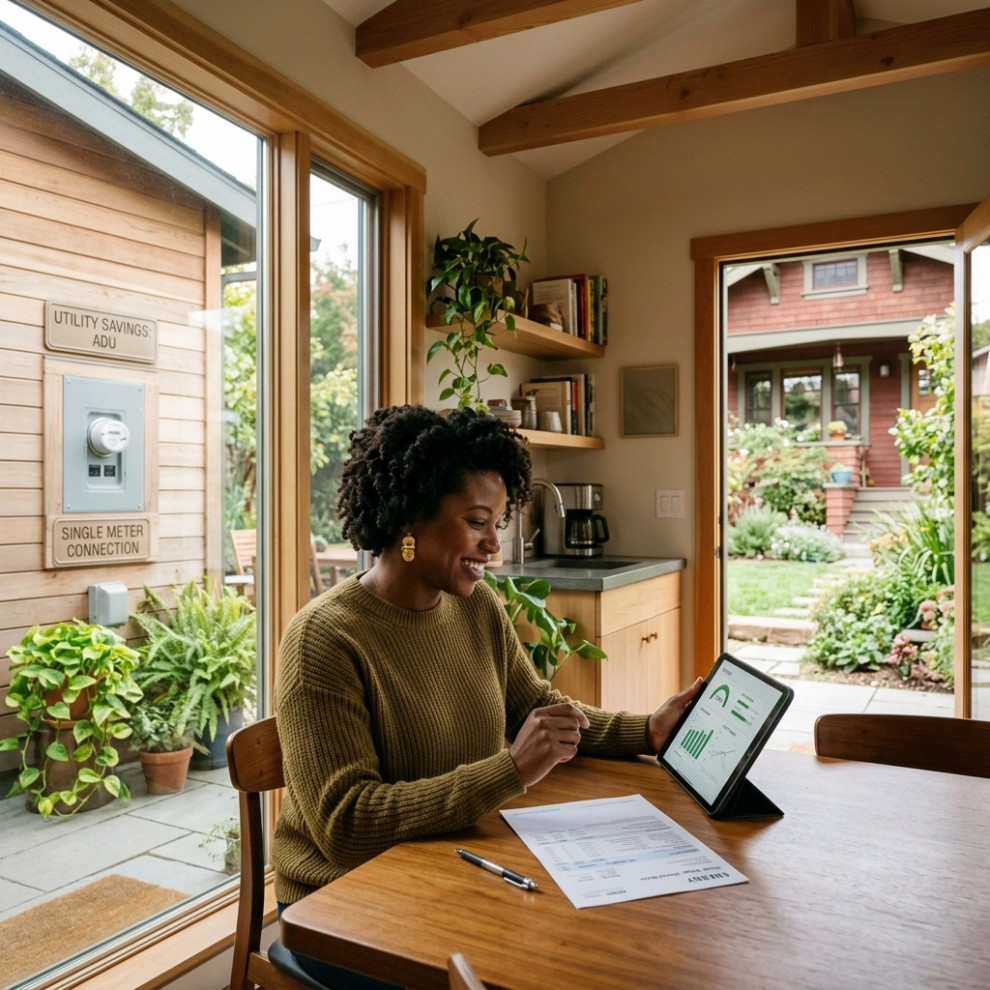
Building an Accessory Dwelling Unit (ADU) in Southern California is one of the smartest investments you can make for your property value and your family’s future. However, as any homeowner who has dipped their toes into the world of construction knows, the costs can add up quickly. While we often focus on the "visible" parts of a build: the beautiful kitchen renovations or the sleek flooring: there is an invisible infrastructure beneath the surface that can significantly impact your budget.
One of the most frequent questions we receive at COLEMAN BUILD LLC is: "Do I have to get a separate utility meter for my ADU?"
The answer isn't always a simple yes or no but understanding the nuances can save you anywhere from $5,000 to $15,000 upfront. In this guide, we will walk you through the technical and financial aspects of utility connections so you can make an informed decision for your backyard project.
The High Cost of Separation
When you decide to install a separate utility meter: whether for electricity, water, or gas: you aren't just paying for a small glass box on the side of your house. You are paying for a new service connection from the utility provider (like Southern California Edison or LADWP).
This process often involves:
- New Service Drops: The utility company may need to run new lines from the street to your property.
- Trenching: Significant labor and material costs to dig deep channels across your yard.
- Impact Fees: Administrative fees charged by the city or utility provider for the privilege of a second account.
- Design Engineering: Requirements for specific site plans that meet the utility company’s rigorous standards.
For many homeowners, these costs are a shock to the system. By choosing to share a meter with your main house, you bypass many of these hurdles.
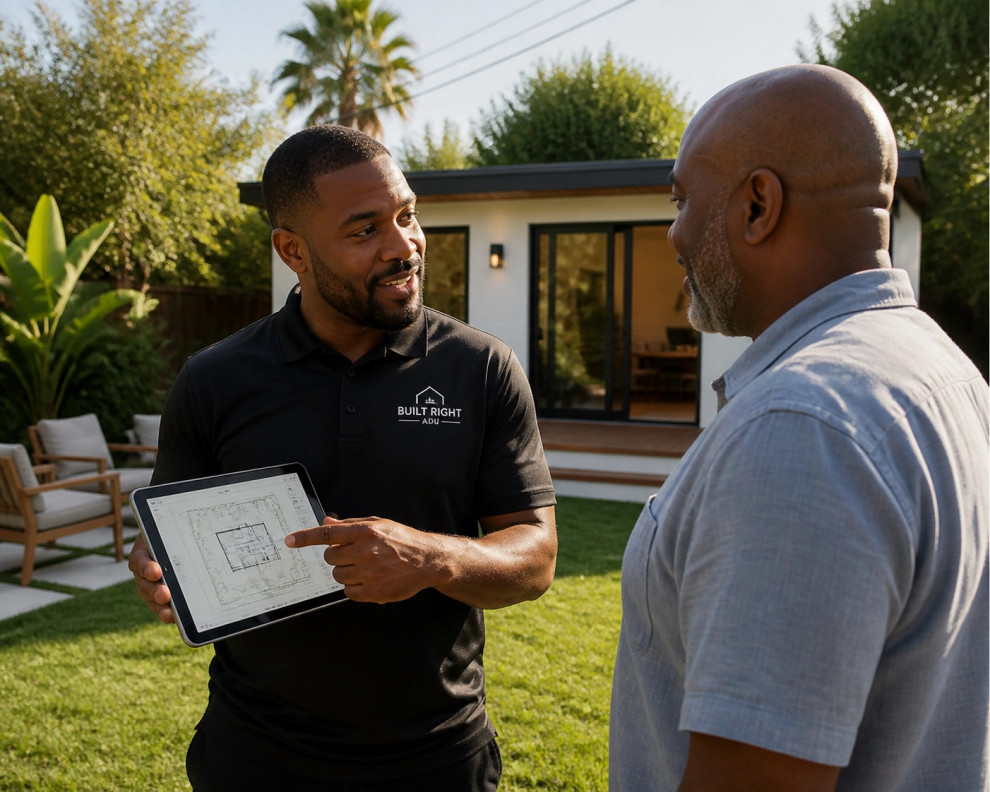
Visual: A professional Black American contractor showing a digital site plan to a homeowner in a modern backyard setting.
When is a Separate Meter Required?
In California, state law has become increasingly "ADU-friendly." Under Government Code Section 65852.2, local agencies are limited in how they can mandate utility connections.
Junior ADUs (JADUs): If you are building a JADU (a conversion of existing space within your home, under 500 square feet), the law is clear: the local agency cannot require you to install a new or separate utility connection, and they cannot charge a connection fee.
Detached ADUs: For new, detached structures, the rules are slightly different. While the city might not force you to have a separate meter, the utility provider itself might require an upgrade if your current service cannot handle the increased load. This is why we emphasize that "Every Detail Matters" during the planning phase. If you don't calculate your power needs correctly from day one, you could face expensive retrofits later.
The Strategy of Shared Utilities
Choosing to "share" a meter means the ADU's electricity, water, or gas is pulled directly from the main house’s existing service. This is often the most cost-effective path forward, provided your main home has the capacity.
Electrical Capacity: The 200-Amp Standard
Most older homes in Southern California have 100-amp or 125-amp electrical panels. To power an ADU on the same meter, you will almost certainly need to upgrade to a 200-amp or even a 400-amp panel. While a panel upgrade costs money (typically $3,000 to $5,000), it is still significantly cheaper than the $10,000+ cost of a completely separate utility service drop and new meter account.
Water and Gas
Sharing water lines is usually straightforward. We often tie the ADU's plumbing into the main line behind the main house’s meter. Gas can be handled similarly, though many modern ADUs are opting to go "all-electric" to simplify the build and meet new environmental building codes. You can see how we handle these types of integrated systems in our recent projects.

Visual: A Black American couple standing in their newly completed backyard ADU, looking happy and relaxed.
The "Sub-Meter" Middle Ground
What if you want to rent out your ADU and don't want to pay for the tenant’s 24/7 air conditioning use, but you still want to save on the separate meter installation?
The answer is a sub-meter.
A sub-meter is a private device installed by your contractor (that’s us!) that tracks how much electricity or water the ADU uses. It is not connected to the utility company’s billing system. Instead, you look at the sub-meter once a month and bill your tenant for their portion of the total house bill.
Benefits of Sub-Metering:
- Low Installation Cost: Usually under $1,000 for the hardware and labor.
- Fairness: Tenants only pay for what they use.
- Conservation: When tenants see their usage, they are more likely to be mindful of energy consumption.
Financial Pros and Cons of Shared Metering
o help you decide, let's look at the numbers through a straightforward lens.
The Savings (Shared Meter)
- Immediate Cash Flow: You save roughly $7,000 on average during construction.
- No Secondary Monthly Fees: Every utility account has a base "service charge" regardless of usage. With one meter, you only pay that base fee once.
- Simplified Permitting: Fewer hoops to jump through with the utility company can shave weeks off your ADU permit application timeline.
The Trade-offs (Shared Meter)
- Billing Complexity: You must handle the math yourself or include utilities in the rent.
- Resale Value: While a shared meter is efficient, some buyers prefer the "cleanliness" of separate addresses and separate bills for a rental property.
- Main House Load: If you have an electric vehicle (EV), a pool, and an ADU all on one 200-amp panel, you might be pushing the limits of your electrical capacity.
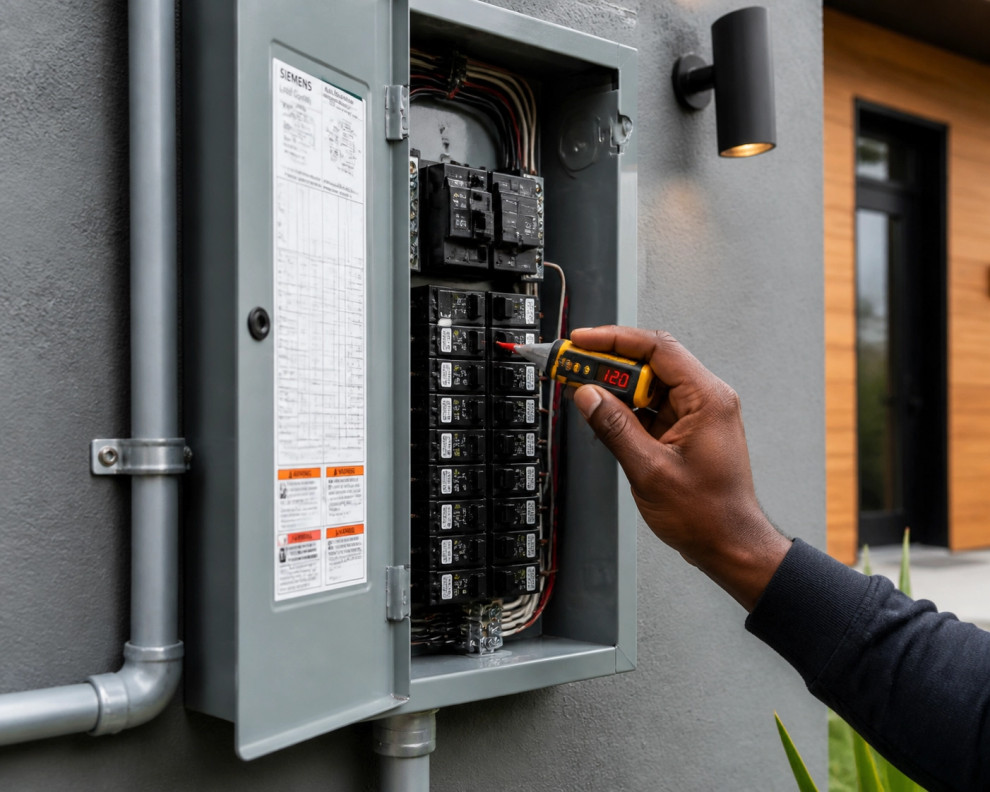
Visual: A close-up of a high-quality electrical panel and modern construction finishes, emphasizing professional workmanship.
Every Detail Matters in Utility Planning
At COLEMAN BUILD LLC, we believe that the difference between a stressful construction project and a seamless one is in the preparation. When we look at a site, we don't just see a backyard; we see the trench lines, the load calculations, and the long-term utility costs.
If you are planning to house a family member, shared utilities are almost always the way to go. It keeps the project simple and the monthly overhead low. If you are looking at the ADU as a pure multifamily investment, we can help you run the ROI on whether a separate meter will pay for itself over the next five years.
Summary of Recommendations
- For JADUs: Stick with the shared meter. The law protects you from extra fees, and it’s the most logical choice for a conversion.
- For Family Use: Share the meter and consider a simple panel upgrade. It’s the fastest path to completion.
- For Long-term Rentals: Consider a sub-meter. It offers the best of both worlds: low upfront cost and the ability to pass through utility expenses to the tenant.
- For High-Power Needs: If your ADU will have a full kitchen, laundry, and separate HVAC, ensure your contractor performs a "Load Calculation" before you close up the walls.
Navigating the technical side of ADUs can feel overwhelming, but you don't have to do it alone. Our team is dedicated to guiding Southern California homeowners through every phase of the process, from the first permit to the final coat of paint.
Ready to see what’s possible in your backyard? Explore our services or contact us today to start the conversation. We take pride in our work because we know that for you, this isn't just a building: it's a home. And at COLEMAN BUILD LLC, Every Detail Matters.