
How Can You Get Your ADU Permit Approved Faster? (5 Easy Steps for LA Homeowners in 2026)
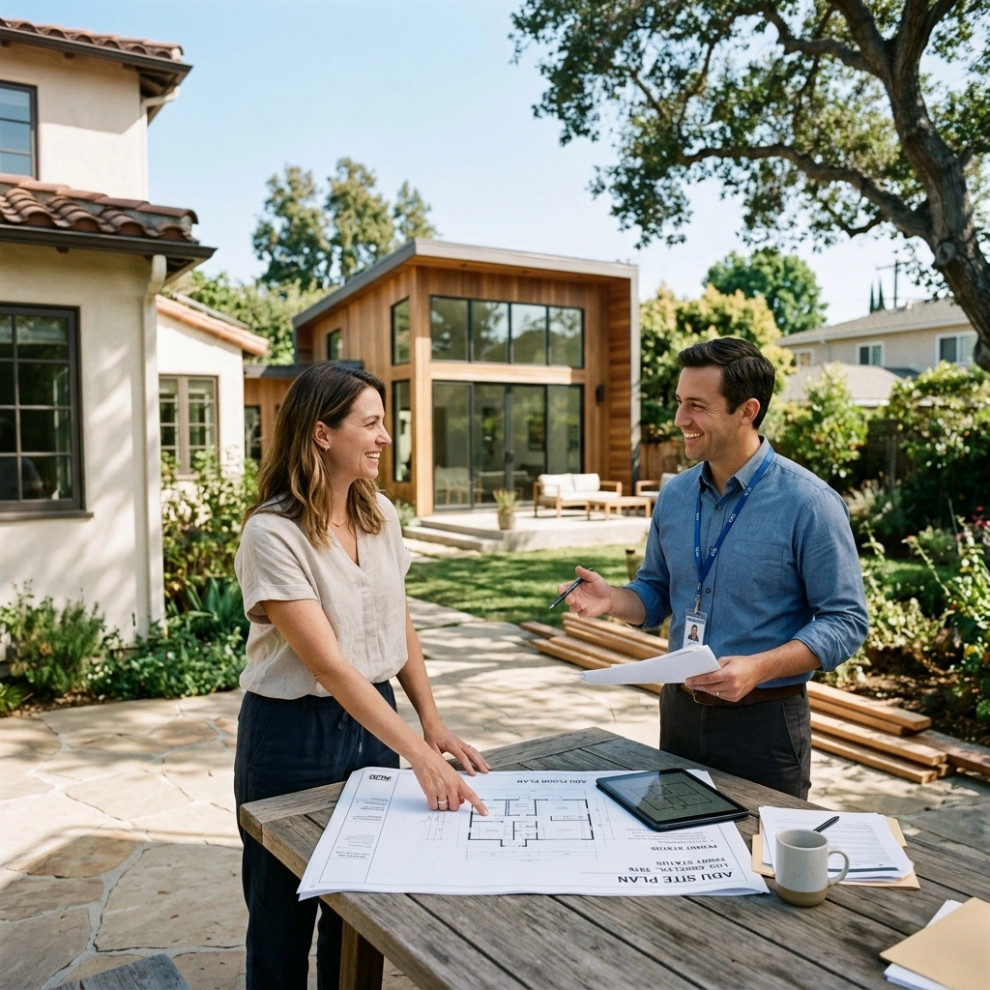
If you have spent any time looking at the Los Angeles housing market lately, you already know that space is the ultimate luxury. Whether you are looking to house a family member, create a dedicated home office, or generate some extra rental income, an Accessory Dwelling Unit (ADU) is one of the smartest investments you can make in 2026. However, the path from "great idea" to "breaking ground" often feels like a marathon through a maze of red tape.
At COLEMAN BUILD LLC, we have guided countless homeowners through the Los Angeles Department of Building and Safety (LADBS) requirements. We know that the permit process can feel overwhelming, often taking months of back-and-forth, but it doesn’t have to be that way. By staying informed and moving strategically, you can significantly trim the timeline.
Here is our expert guide on how to navigate the 2026 permit landscape and get your ADU approved faster than the neighborhood average.
1. Embrace Pre-Approved Standard Plans
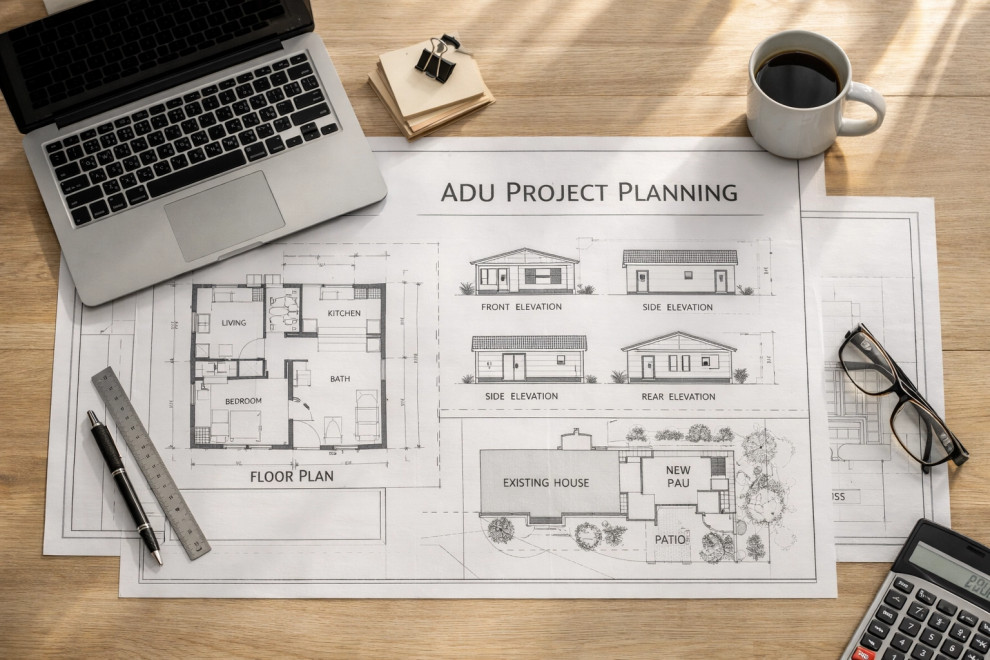
If speed is your primary goal, the single most effective move you can make is choosing a pre-approved standard plan. The City of Los Angeles has expanded its Standard Plan Program significantly for 2026, offering a variety of designs that have already been vetted for structural, green building, and seismic safety codes.
When you use a standard plan, the "plan check" portion of your permit process is drastically reduced. Instead of a reviewer looking at every single calculation from scratch, a process that can take 60 days or more, they are simply verifying how that specific plan fits onto your unique lot. This can often cut your approval time down to 21–30 days.
While some homeowners worry that a standard plan means a "cookie-cutter" home, that isn't necessarily the case. You can still customize the interior finishes, siding materials, and window styles to match your existing home. We often find that this balance of a proven structure and personalized aesthetic provides the best of both worlds. If you are curious about how these look in practice, you can view some of our recent residential projects to see how high-quality finishes transform a space.
2. Submit a "Bulletproof" Application Within 15 Days
In the world of LA permitting, "haste makes waste" is a very real warning. Many delays happen not because the city is slow, but because the initial application was incomplete. In 2026, LADBS is strictly adhering to a 15-day completeness review. If your application is missing even one minor document, they will kick it back to you, and you essentially go to the back of the line.
To avoid this, we recommend gathering every single requirement before you even think about hitting "submit" on the online portal. A complete "bulletproof" package usually includes:
- Detailed architectural plans and site maps.
- Title 24 Energy Compliance forms (essential for California’s 2026 green standards).
- A CEQA (California Environmental Quality Act) exemption form.
- The owner’s affidavit and property records.
By providing everything upfront, you force the city to move straight into the technical review. We’ve seen that a well-organized digital submission through the LADBS portal, which now offers 48-hour confirmation, is the fastest way to get your foot in the door. If you are unsure about the difference between various ADU types and how they affect your application, check out our guide on ADU vs JADU strategies.
3. Identify and Attack "Clearances" Simultaneously
One of the biggest "time-killers" in the permit process is the clearance phase. Once the building department reviews your plans, they will likely issue a list of clearances, approvals you need from other departments like the LADWP (Power and Water), the Bureau of Engineering, or even the Fire Department.
Most homeowners wait until one department finishes before moving to the next. This sequential approach can add months to your timeline. Instead, we suggest an "attack-all-fronts" strategy. Once you have your list of required clearances, work on them simultaneously.
For instance, if your ADU requires a new utility connection, get your application into LADWP the same day you submit your building plans. If you are located in a hillside area or a coastal zone, those specific clearances should be your top priority. By tackling these hurdles in parallel, you ensure that once the building department is ready to say "yes," all the other departments have already given their green light.
4. Leverage the 60-Day Legal Mandate
It is helpful to remember that the law is actually on your side. Under California state laws (specifically updates to SB 13 and AB 1332), local agencies like LADBS are legally required to act on a completed ADU application within 60 days.
This is what we call a "ministerial" process. This means that if your project meets the objective building standards: like height limits and setbacks: the city must approve it. They cannot deny your permit based on subjective things like "I don't like how it looks" or neighborhood complaints.
If 60 days pass and you haven't received an approval or a formal request for corrections, your application can be "deemed approved" under California Government Code § 66317(a). Knowing your rights helps you stay firm when following up with city planners. It changes the dynamic from "asking for a favor" to "expecting a legal timeline." Being polite but informed is often the best way to keep your project on the radar of a busy city clerk.
5. Keep Design Complexity to a Minimum
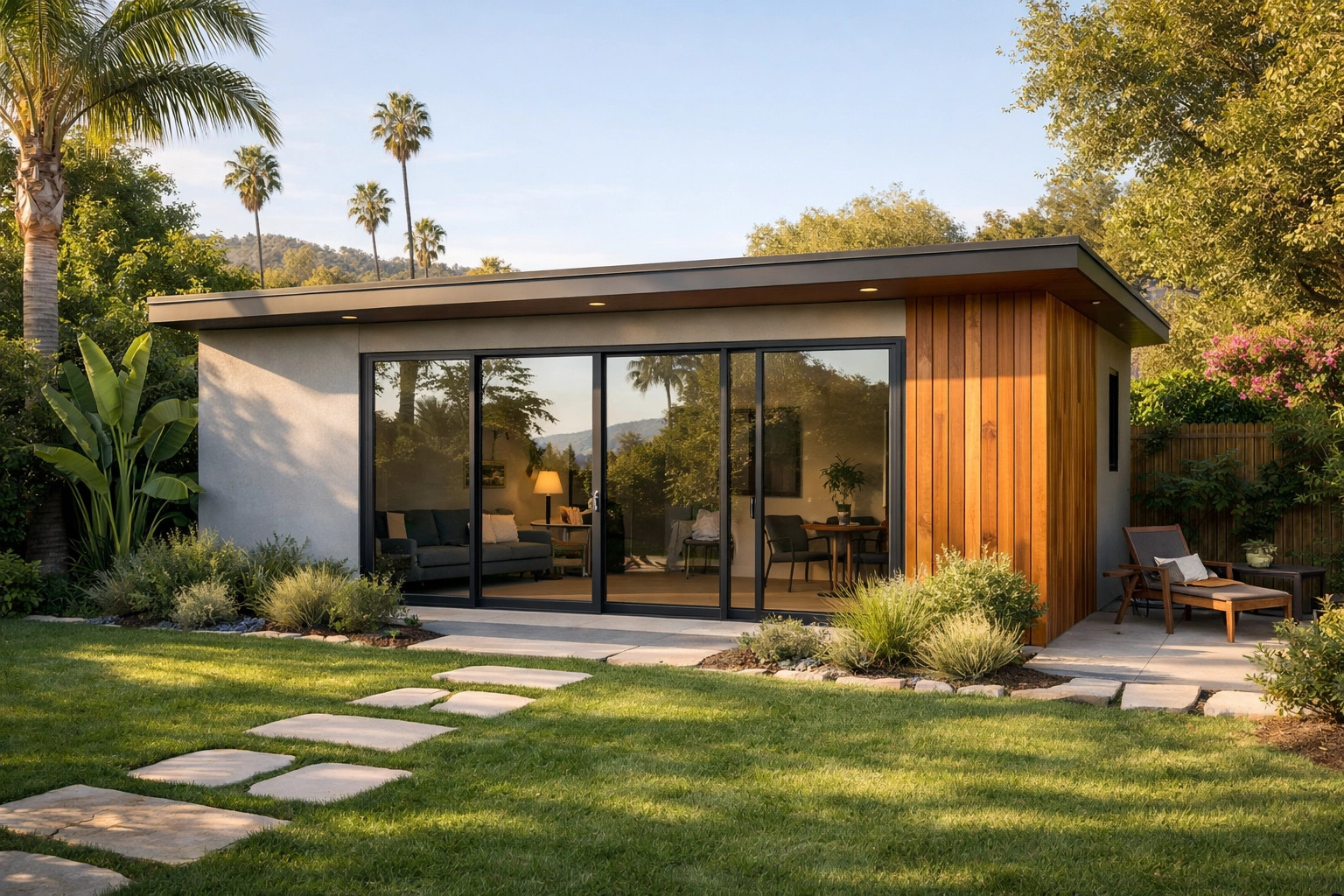
We all love the idea of a glass-walled cantilevered studio perched over a garden, but complexity is the enemy of speed. Every time you add a non-standard feature: like an unusual roofline, a basement, or a structure built right up to the property line: you invite more scrutiny and more rounds of revisions.
Most custom ADU projects go through two or three rounds of corrections. Each round can add weeks or months to the schedule. If your goal is to have the unit occupied and generating income as soon as possible, we recommend keeping the footprint simple.
- Stick to standard setbacks (usually 4 feet for side and rear yards).
- Avoid complicated foundation work if possible.
- Use standard building materials that inspectors see every day.
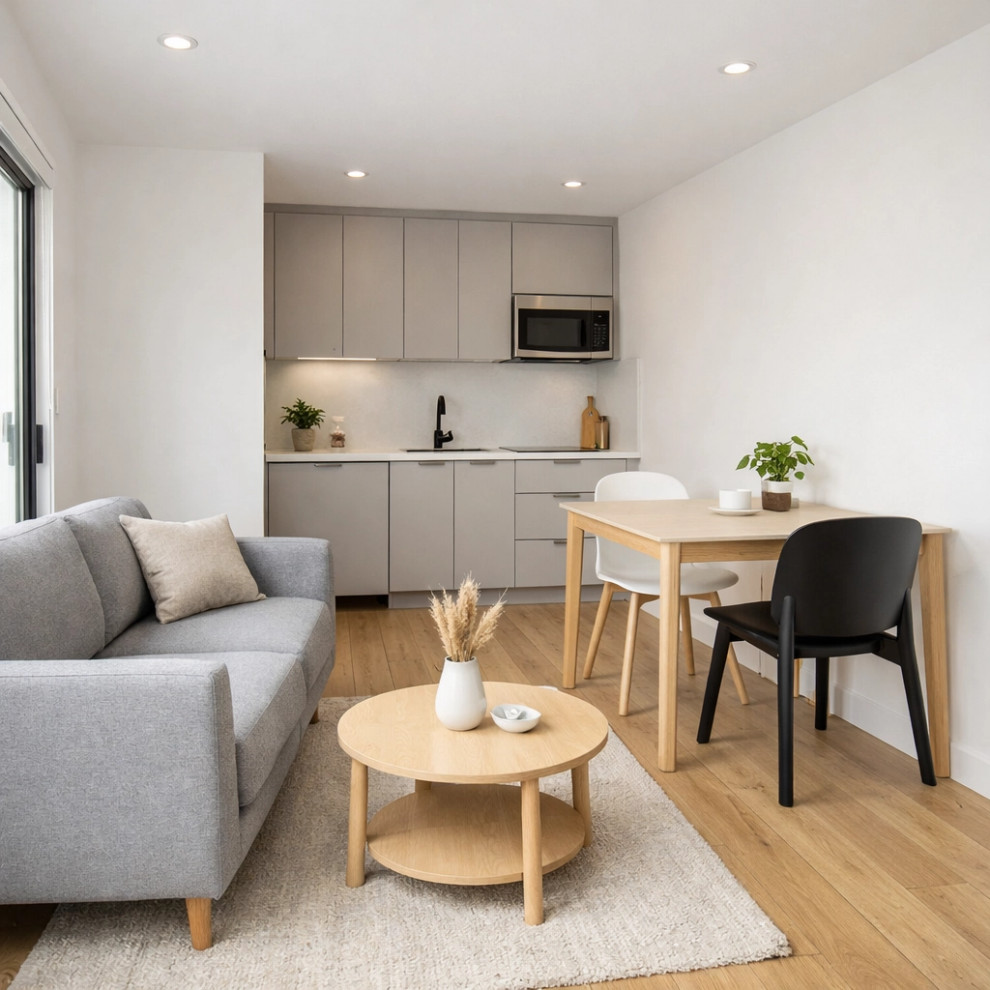
By keeping things straightforward, you minimize the chance of a "red flag" during the plan check. If you want to add flair, do it through high-end interior renovations or beautiful flooring choices once the shell is approved. You can have a stunning, designer-feeling ADU without the architectural complexity that triggers a six-month permit delay.
Why Moving Fast Matters in 2026
You might wonder if saving a few weeks is really worth the effort of pre-approved plans or aggressive clearance tracking. In the current construction climate, time is literally money. Material costs can shift, and more importantly, the sooner your permit is issued, the sooner you stop paying for a vacant backyard and start seeing a return on your investment.
Furthermore, getting your permit locked in now protects you from future local policy changes. While the state has made ADUs easier to build, local municipalities are constantly tweaking their specific interpretations. Securing your "Ready to Issue" (RTI) status as quickly as possible is the best way to future-proof your project.
Let’s Build Your Future Together
Getting an ADU permit in Los Angeles doesn't have to be a nightmare of paperwork and endless waiting. By choosing the right plans, submitting a complete package, and understanding your legal rights under the 60-day mandate, you can move from permit to "permitted" in record time.
At COLEMAN BUILD LLC, we pride ourselves on being more than just builders; we are your partners in navigating the complexities of residential construction. Whether you are just starting to dream about an extra unit or you have a set of plans that are stuck in city limbo, we are here to help. Our team understands the local nuances of LA and is dedicated to making your construction journey as seamless and harmonious as possible.
Ready to take the first step toward your new ADU? We would love to hear about your vision. You can learn more about us and our approach to quality craftsmanship, or feel free to contact us today to start a conversation. Let's make 2026 the year your backyard finally reaches its full potential.