
Can You Really Live in Your ADU While Rebuilding Your Main Home? Find Out Here
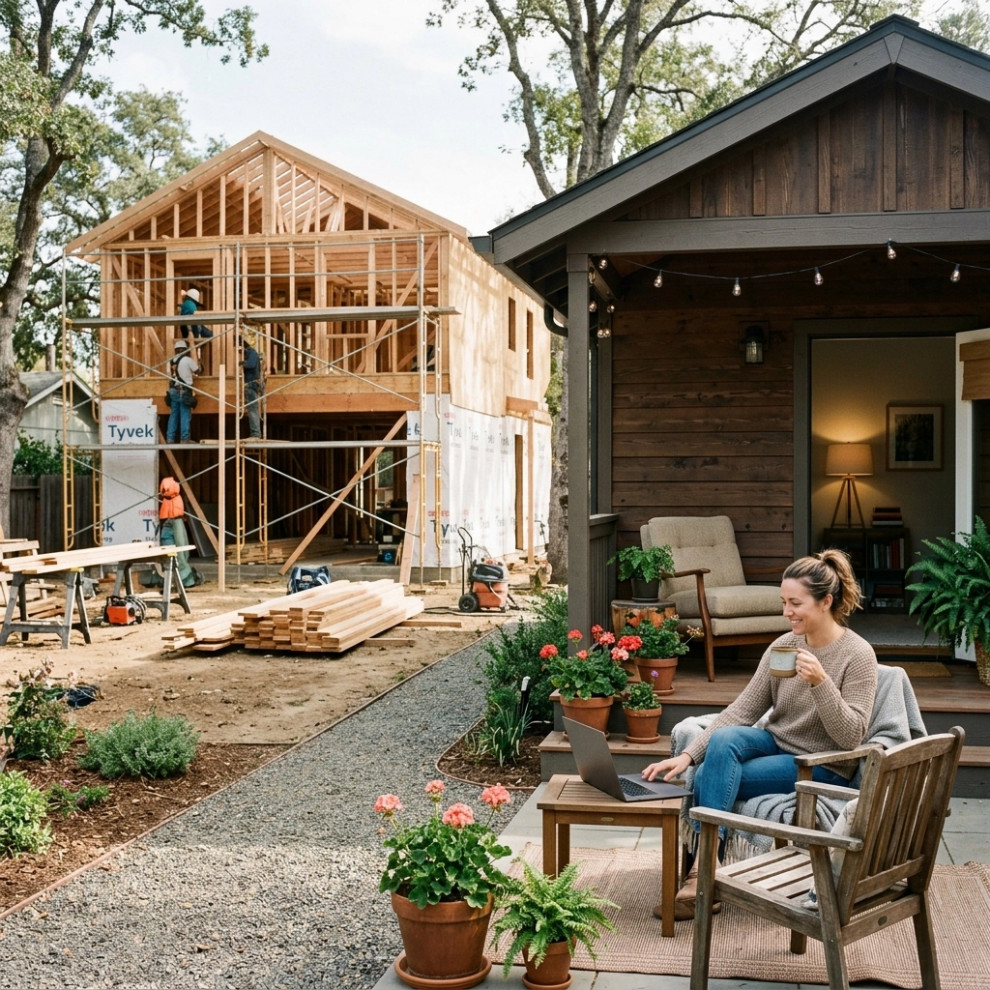
When you decide to embark on a major residential project: whether it is a full-scale house remodel or a complete rebuild from the ground up: one of the most pressing questions isn't about the floor plan or the fixtures. Instead, it is a much more practical concern: "Where on earth are we going to live for the next twelve months?"
For many homeowners in the Los Angeles area, the solution is literally sitting in their own backyard. The rise of Accessory Dwelling Units (ADUs) has changed the way we think about property development. While most people view an ADU as a future rental property or a space for aging parents, it can also serve as your ultimate "home base" during a major construction project.
In this guide, we will walk you through the logistics, the benefits, and the very real challenges of living in your ADU while your primary residence is a work in progress.
The Financial Logic of Staying on Property
The most immediate benefit of moving into your ADU during construction is the impact on your bank account. If you have ever looked at the cost of a short-term luxury rental in a desirable neighborhood, you know that those monthly expenses can quickly eat into your construction budget. By choosing to live on-site, you are essentially paying yourself rent.
Every dollar you aren't spending on a temporary lease is a dollar that can be reinvested into higher-quality finishes, such as those found in our kitchen renovations. Over a standard 10-to-14-month rebuild, you could easily save $40,000 to $60,000 in housing costs alone. This financial buffer provides peace of mind when unexpected costs: which are a natural part of any complex build: inevitably arise.
The "Foreman" Advantage: On-Site Supervision
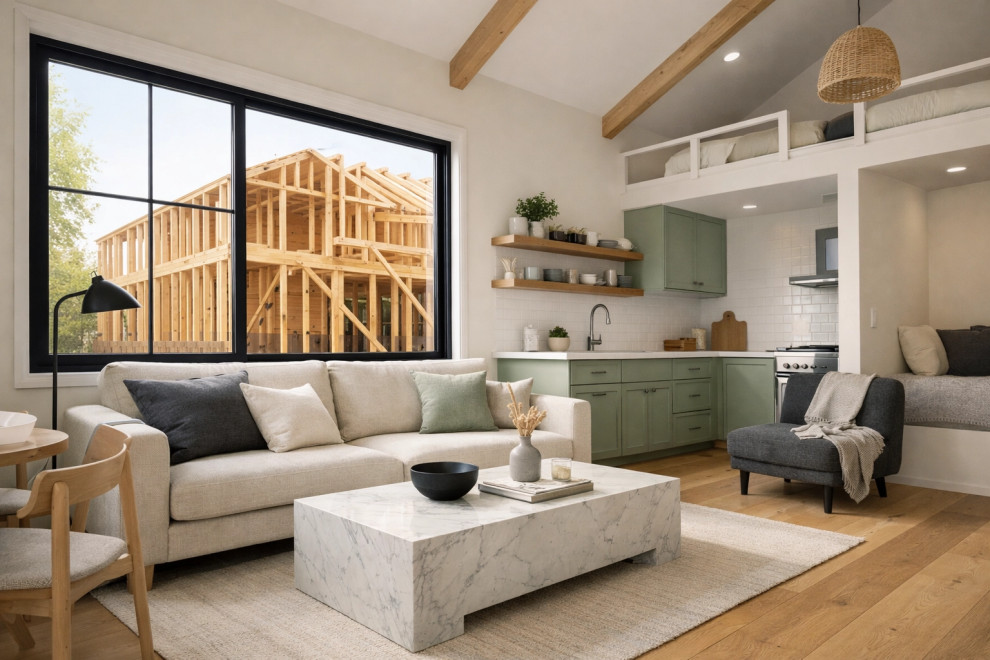
We have found that homeowners who live in their ADU during a project often feel more connected and satisfied with the end result. Why? Because you are there to see the progress in real-time. While our team at COLEMAN BUILD LLC prides itself on professional management, having the homeowner nearby allows for quick, informal "walk-throughs" that can save weeks of back-and-forth communication.
Imagine a scenario where a window placement looks slightly off in person compared to the 2D blueprints. If you are living on-site, you can catch that detail during the framing stage: long before the drywall and siding are installed. This level of proximity ensures that your rebuilt home aligns perfectly with your vision. Furthermore, a lived-in property is naturally more secure. Your presence deters the theft of materials and equipment, which: unfortunately: can be a concern on vacant construction sites.
Navigating the Logistics: Power, Water, and Dust
Living in an ADU while your main house is being demolished or rebuilt is not without its logistical hurdles. Before the first sledgehammer swings, we must carefully plan the utility separation. If your ADU is powered by a sub-panel from the main house, tearing down the main house means cutting off your lights, heating, and water.
To make this strategy work, we often recommend a "phased utility" approach. This involves ensuring the ADU has its own independent utility connections: or at least a temporary setup that bypasses the main structure: before the primary residence is decommissioned.
You should also prepare for the environmental factors. Construction is loud, and it is undeniably dusty. If you or your family members work from home, you might need to invest in noise-canceling headphones or temporary soundproofing for the ADU. We always suggest keeping a close eye on your HVAC filters during this time, as the increased particulate matter in the air can clog systems much faster than usual.
The Strategy: Building the ADU First
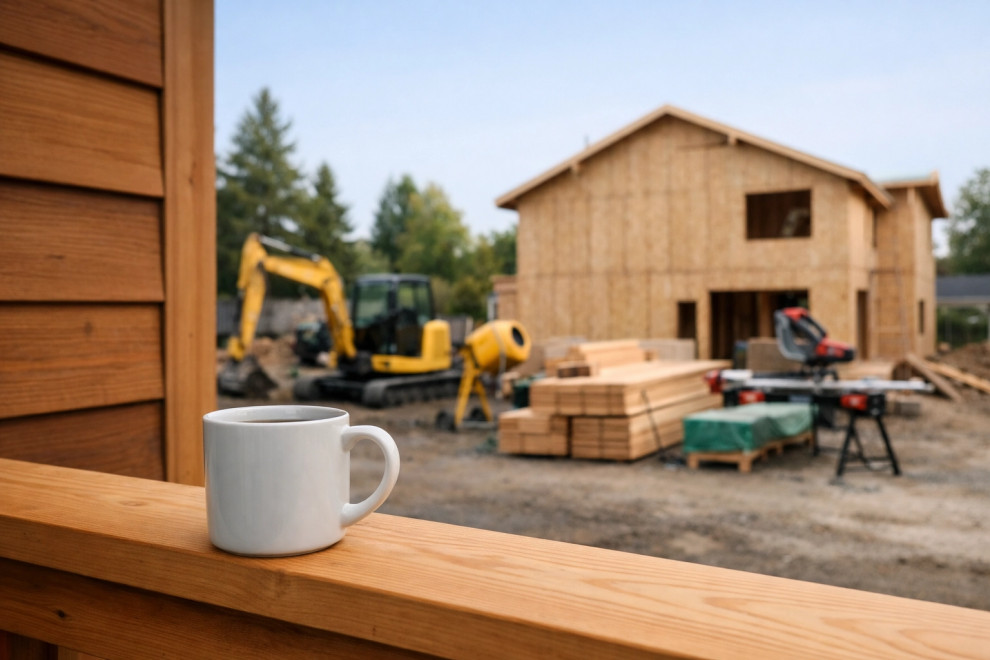
If you are just starting your journey and your main home is currently livable, the most strategic move is to build the ADU first. This "ADU-First" strategy allows you to remain in your primary home while the secondary unit is constructed. Once the ADU receives its Certificate of Occupancy, you can move your essentials across the yard and begin the main house project.
This transition is much smoother than moving to an apartment across town. You won't need a massive moving truck, and you can even keep some of your larger furniture in professional storage while keeping your daily necessities within reach. For those weighing the options between different types of units, you might find our breakdown of ADU vs. JADU strategies helpful for long-term planning.
Maintaining Your Sanity in a Smaller Footprint
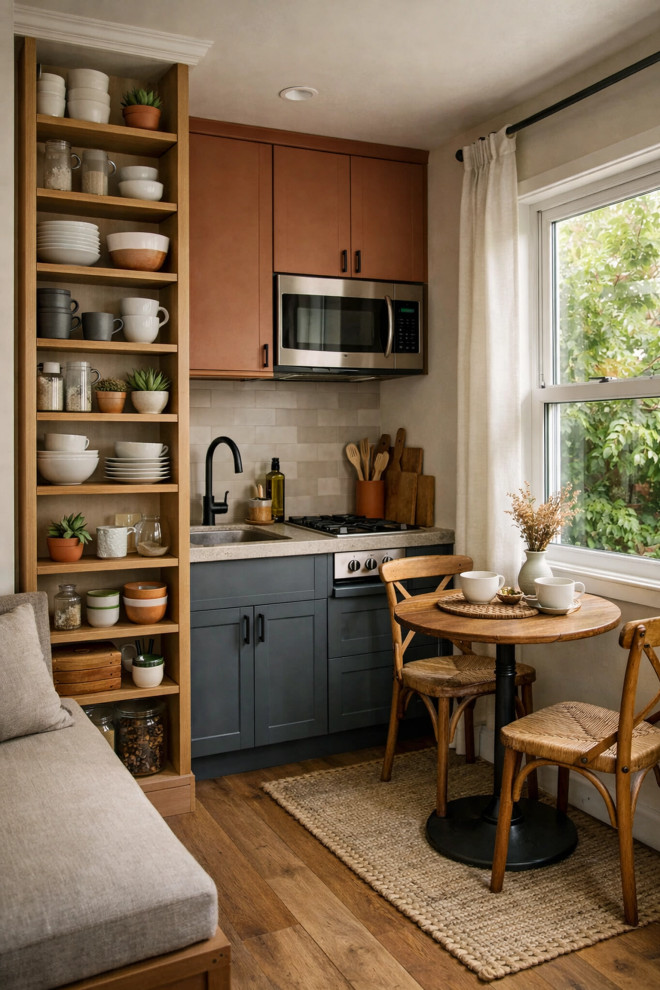
Living in an ADU: typically ranging from 400 to 1,200 square feet: requires a shift in mindset. It is a period of "intentional living." You will likely find that you don't need half the things you currently store in your main house.
To make the small space work, consider these tips:
- Vertical Storage: Use the full height of your ADU walls for shelving.
- Outdoor Living: Treat your patio or remaining yard space as an extension of your living room.
- The "Early Order" Strategy: As we’ve discussed in our guide on avoiding change orders, having your materials selected and ordered early prevents the ADU from becoming cluttered with last-minute samples and delivery boxes.
Is It Legal? Permitting and Compliance
From a regulatory standpoint, living in a legal ADU is perfectly acceptable while your primary home is under construction. However, you must ensure that the ADU has been fully permitted and signed off by the city before you occupy it. In some jurisdictions, you cannot legally live in a structure that doesn't have a final inspection, even if the "main" house is the one being worked on.
Our team at COLEMAN BUILD LLC handles the complexities of these permits. We ensure that the transition from the "active" main house to the "active" ADU is documented correctly with the local building department, preventing any unnecessary delays or fines. Whether we are dealing with fire damage repair or a planned expansion, we keep the paperwork as seamless as the construction.
The Light at the End of the Tunnel
While the months spent living in an ADU amidst a construction zone can feel long, the rewards are immense. You get to witness the transformation of your property every single day. You see the foundation poured, the walls raised, and the master bedroom taking shape.
Once the main house is complete, you aren't just left with a beautiful new home: you are left with a high-value asset in your backyard. That ADU, which served as your sanctuary during the build, is now ready to become a home office, a guest house for visiting family, or a consistent source of rental income.
Summary: A Partnership for Your Property's Future
Choosing to live in your ADU while rebuilding your main home is a bold, practical, and financially savvy move. It requires a bit of patience and a lot of planning, but it simplifies the construction process in ways a traditional move cannot. By staying on-site, you maintain a close connection to your project, save significant costs, and ensure that every detail: from the flooring to the bathroom finishes: is exactly how you envisioned it.
If you are ready to explore how an ADU can fit into your larger rebuilding plans, we would love to help you navigate the journey. Feel free to browse our projects for inspiration or reach out to us directly to start the conversation. Together, we can build a home: and a secondary unit: that perfectly supports your lifestyle, both during construction and for years to come.