
What Are the Legalization Secrets Experts Know About Fixing Unpermitted LA Garages?
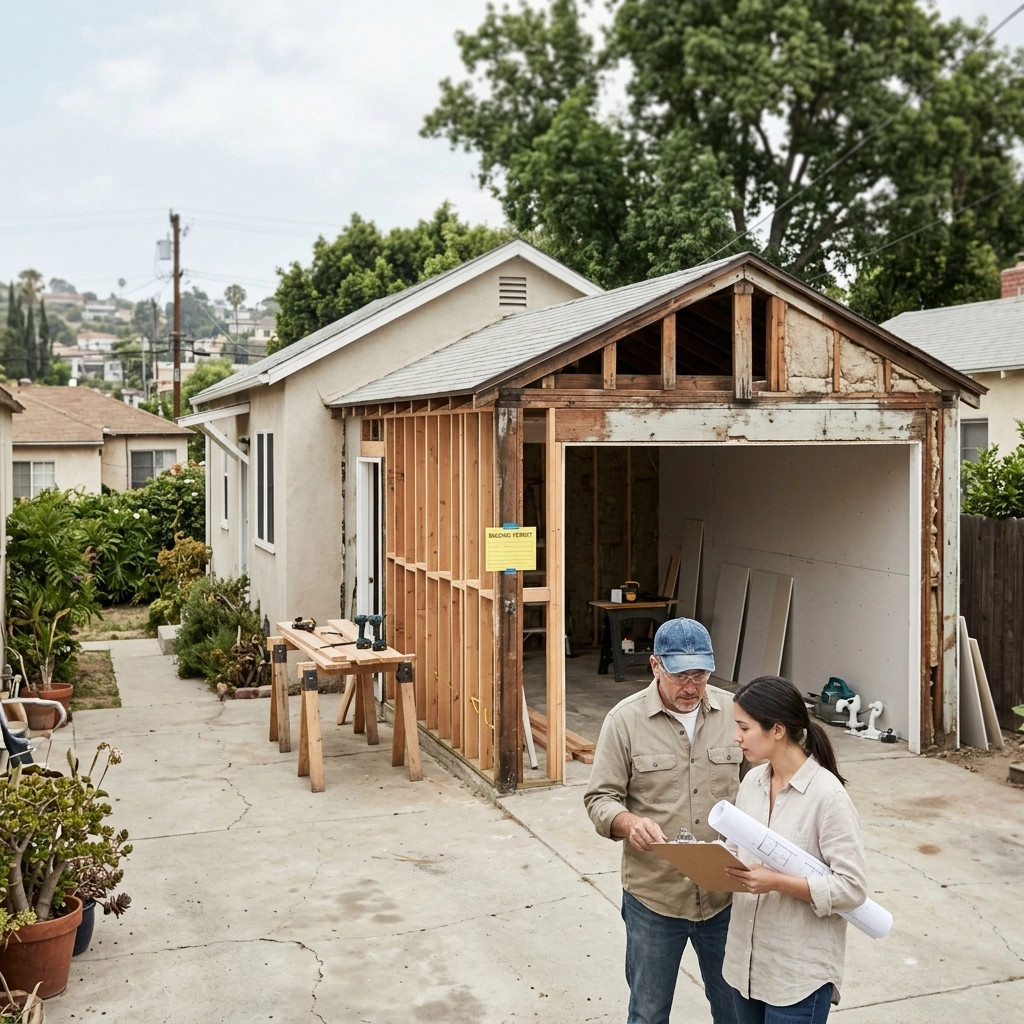
Have you ever looked at your converted garage and felt a lingering sense of unease? Perhaps you purchased the home with the conversion already in place, or maybe you built it years ago to house a family member or generate extra income. In the city of Los Angeles, thousands of homeowners live with the "unpermitted" ghost in the room: a space that provides value but technically doesn't exist on paper.
For a long time, the path to legalization felt like a trap. Homeowners feared that inviting an inspector would lead to hefty fines, mandatory demolition, or impossible-to-meet parking requirements. However, as we move through 2026, the landscape has shifted dramatically. Our team at COLEMAN BUILD LLC has watched the evolution of California housing law closely, and we can tell you that the "secrets" to legalization are now more accessible than ever before.
The Changing Landscape of Los Angeles Housing
The conversation around unpermitted spaces has moved from the shadows into the light of public policy. Los Angeles, and California as a whole, is facing a persistent housing shortage: a reality that has forced the hand of state legislators. Instead of penalizing homeowners who have created habitable spaces, the focus has shifted toward safety and inclusion.
The most significant development for you to understand is the implementation of AB 2533. This landmark amnesty program is specifically designed to help homeowners like you bring unpermitted Accessory Dwelling Units (ADUs) into the legal fold without the typical bureaucratic headaches. It acknowledges that if a space is safe to live in, it should be counted as a legitimate part of the city’s housing stock.
Understanding AB 2533: Your Legalization Shortcut
The "secret" that many homeowners are just now discovering is that the rules for 2026 are not the same as they were five years ago. Under AB 2533, the state has essentially created a bridge for units built before January 1, 2020. This program prioritizes safety over strict adherence to the latest zoning codes.
In the past, one of the biggest hurdles was the requirement for replacement parking. If you converted your garage, you often had to find a way to add covered parking elsewhere on your lot: an expensive and sometimes physically impossible task. Today, those parking requirements have largely been eliminated for ADUs. This change alone has opened the door for thousands of Los Angeles residents to legalize their spaces without sacrificing their entire backyard to a new carport.
Why Now Is the Best Time to Act
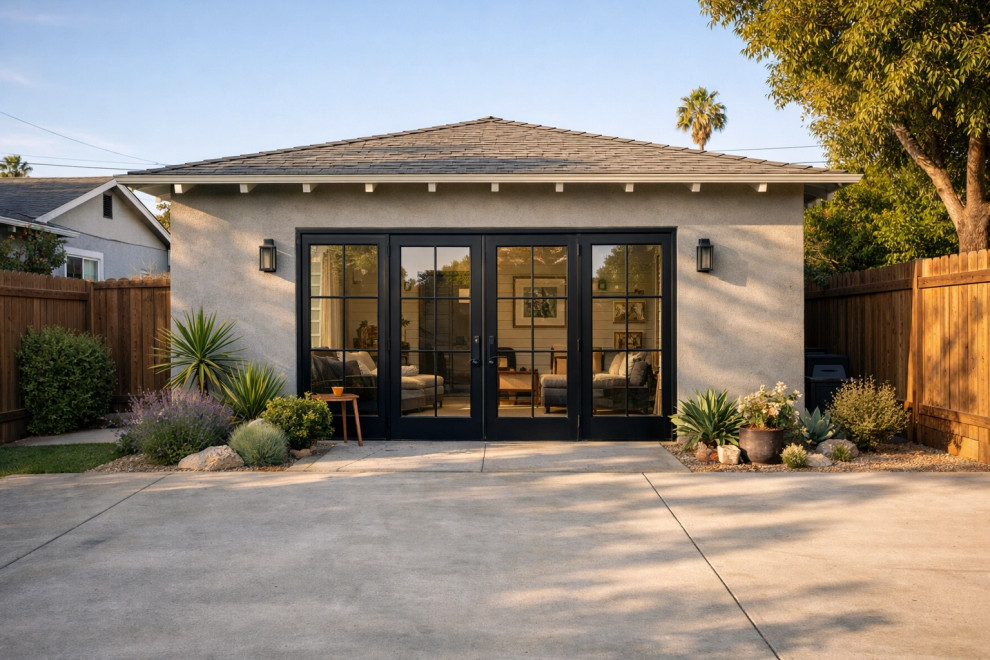
Waiting to legalize an unpermitted space often feels like the safest choice, but it carries hidden costs that can impact your financial health. If you plan to sell your home, an unpermitted conversion can complicate the appraisal process and potentially scare off buyers who cannot secure traditional financing for a property with "clouded" permits.
Furthermore, insurance companies are becoming increasingly diligent. If an incident: such as a fire or a plumbing failure: originates in an unpermitted space, you might find your claim denied. By taking advantage of the current amnesty window, you are essentially "future-proofing" your most valuable asset. You can explore our services to see how we help homeowners navigate these transitions seamlessly.
The Step-by-Step Path to Compliance
Legalizing a garage conversion is a process of discovery. Our team views it as a building-block progression, where each step informs the next. While every property in Los Angeles is unique, the path generally follows a six-step framework designed to minimize surprises.
- Verify Your Eligibility: Before spending a dollar on plans, we help you confirm that the unit was indeed constructed before the January 1, 2020 cutoff. This often involves looking at historical satellite imagery, utility bills, or old property records.
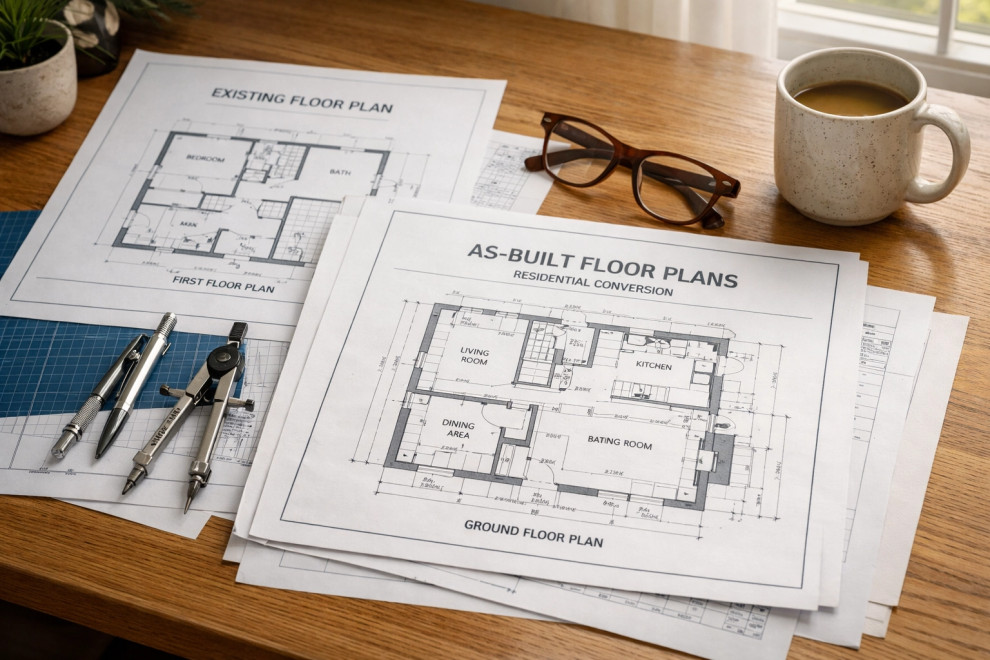
- Architectural and Engineering Plans: You will need a set of "as-built" plans. These aren't just simple sketches; they are detailed blueprints that show the city exactly how the unit is constructed, including structural details, insulation, and energy efficiency (Title 24) compliance.
- Preliminary Feedback: We recommend submitting these plans for a preliminary review. This allows the city to point out any major red flags before you finalize the application.
- Detailed Construction Estimates: Once the plans are nearing approval, we can provide a precise estimate of what the physical "fix" will cost. This might include adding a window for egress or updating the electrical panel.
- Permit Submission: Your final plans are filed with the Los Angeles Department of Building and Safety (LADBS). Under the current streamlined rules, the goal is to receive feedback or approval within a 60-day window.
- The Final Inspection: A county inspector will visit the site to verify that the work matches the approved plans. Once they sign off, you receive your Certificate of Occupancy.
What "Life Safety" Really Means in Construction
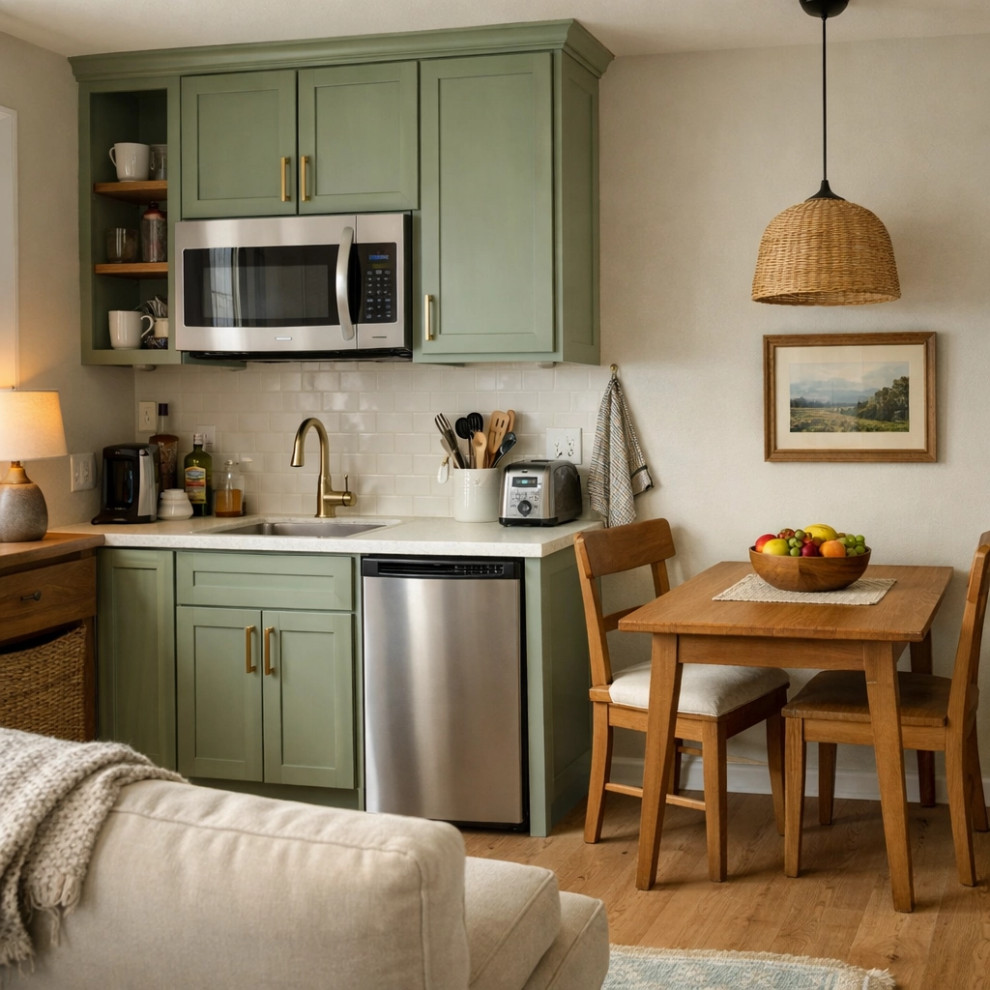
When we talk about the "secrets" of legalization, we are often talking about the difference between aesthetic beauty and structural safety. The city’s primary concern isn't the color of your cabinets or the type of flooring you chose: though we do love a good flooring project: it is whether the occupant can get out safely in an emergency.
"Life safety" is a specific term in our industry. It refers to the core systems that protect residents. For a garage conversion, this typically means ensuring you have:
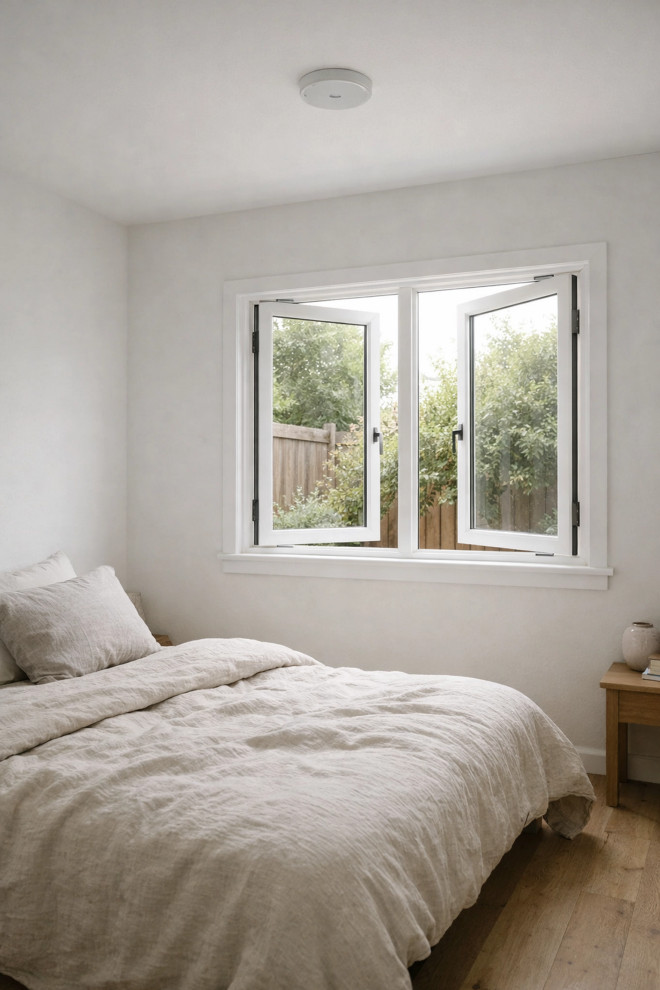
- Proper Egress: At least one window in the sleeping area that is large enough for a person to climb through and low enough to the ground to be accessible.
- Smoke and Carbon Monoxide Alarms: These must be hard-wired and interconnected so that if one goes off, they all go off.
- Electrical Safety: The installation of GFCI (Ground Fault Circuit Interrupter) outlets in wet areas and AFCI (Arc Fault Circuit Interrupter) breakers to prevent electrical fires.
- Structural Integrity: Confirming the garage slab can handle the load of the new walls and that the roof is properly tied to the structure.
Navigating the Affordable Housing Requirement
One aspect of the 2026 legalization process that catches many homeowners off guard is the affordable housing obligation. To qualify for the easier permit process, the City of Los Angeles often requires that the legalized unit be dedicated to a low- or moderate-income household for a certain period.
This may sound restrictive, but for many, it aligns perfectly with their existing rental strategy. If you were already renting the unit at a fair market rate, you might find that you already meet these requirements. It is a collaborative trade-off: the city gives you an easier path to a legal ADU, and in return, you contribute to the solution for the city's housing crisis. You can read more about how this fits into a broader strategy in our post on ADU vs JADU rental strategies.
The Real Cost of Peace of Mind
Let’s talk numbers. Transparency is a core value for us at COLEMAN BUILD LLC. While the amnesty program reduces the "red tape" costs, there is still a financial investment required. Architectural plans typically range from $4,000 to $12,000 depending on the complexity of the structure.
Beyond the paperwork, the physical construction costs vary. If your conversion was done well originally, you might only need a few thousand dollars in electrical and plumbing upgrades. If the original work was substandard, you might be looking at a more significant house remodel to bring things up to code. However, when you compare these costs to the value added to your home: often $100,000 or more in equity: the return on investment is clear.
Common Pitfalls to Avoid
Even with the new laws, there are traps that can catch the unwary. One of the most common mistakes is trying to hide previous work from the inspector. The amnesty program is based on honesty; it is much better to identify a deficiency early and propose a fix than to have an inspector discover it during a final walkthrough.
Another pitfall is failing to account for "Title 24" energy requirements. California is very strict about insulation, window glazing, and water heater efficiency. Even if your garage conversion feels warm and cozy, it might need additional insulation in the ceiling or walls to meet the state's environmental standards. We always recommend working with experts who understand these nuances to avoid costly "change orders" late in the game. For more on avoiding those hidden costs, check out our guide on remodel strategies.
A New Chapter for Your Home
Legalizing your unpermitted garage isn't just about following rules: it’s about transformation. It turns a "secret" space into a legitimate asset that adds beauty, function, and value to your property. It provides you with the freedom to rent the space openly, insure it fully, and sell your home with confidence.
The journey toward a legal, permitted ADU can seem complex, but you don't have to walk it alone. With the current 2026 amnesty laws providing a tailwind, there has never been a more opportune moment to address those unpermitted structures. Our team is here to guide you through the architectural, structural, and regulatory maze, ensuring that your home remains a source of pride rather than a source of stress.
Whether you are just starting to gather your records or you are ready to begin the design phase, the first step is always the same: gaining clarity. We invite you to reach out and contact us to discuss your specific situation. Together, we can turn your unpermitted garage into a fully legalized, harmonious part of your Los Angeles home.