
Can Neighbors Stop Your ADU? 5 Facts on Ministerial Approval
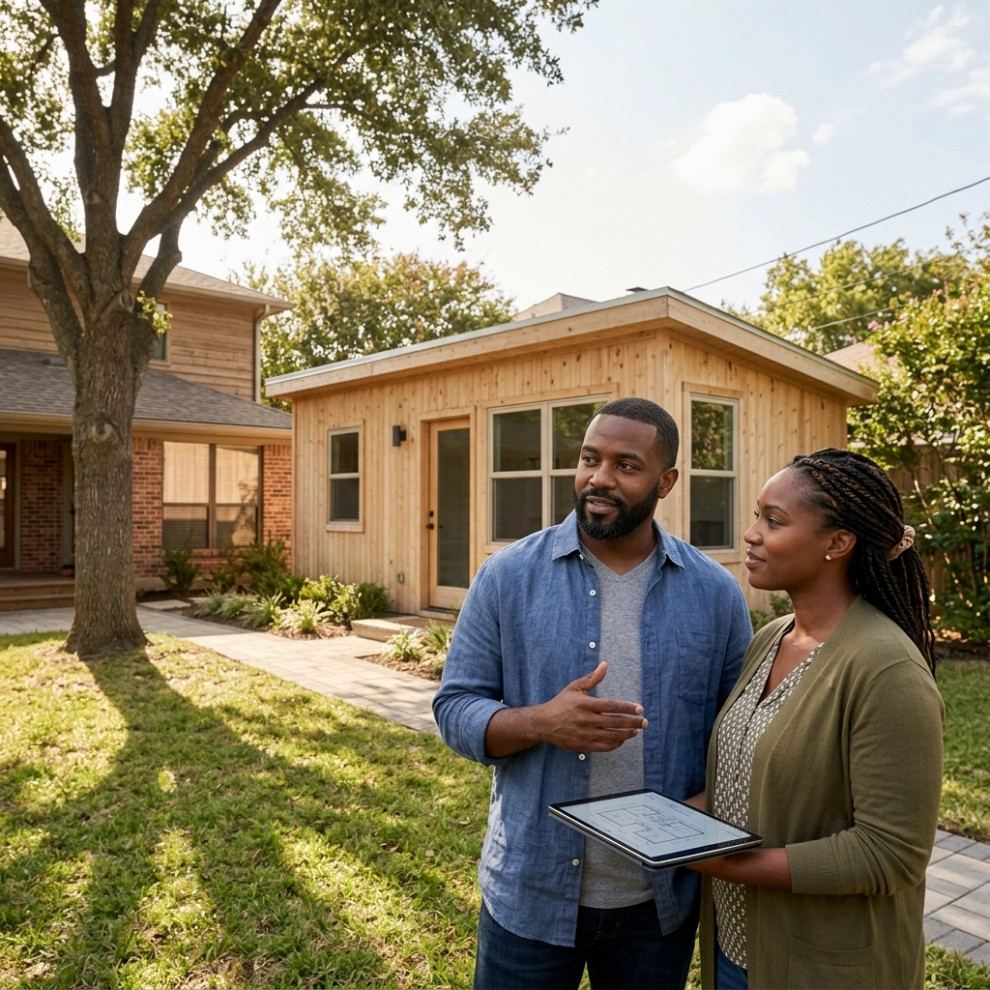
If you have lived in Southern California for any length of time, especially in the vibrant neighborhoods of Los Angeles or San Diego, you know that the "nosy neighbor" is more than just a trope. Whether it is a dispute over a fence line or a complaint about a tree being too tall, homeowners often feel like they are at the mercy of the people living next door. When you decide to invest in an Additional Dwelling Unit (ADU), it is natural to feel a bit of anxiety. You might find yourself wondering if a disgruntled neighbor can walk down to City Hall and shut your project down before the first shovel even hits the dirt.
We hear this concern all the time at COLEMAN BUILD LLC. You want to create a space for your aging parents, build a home office, or generate some much-needed rental income, but you do not want a legal battle with the family next door. The good news? The legal landscape has shifted dramatically in favor of homeowners. Thanks to state-wide mandates in California, the power of neighbor opposition has been significantly curtailed through a process known as "ministerial approval."
In this guide, we are going to break down exactly what this means for you and your backyard project. We want to empower you with the facts so you can move forward with confidence, knowing that your right to build is protected by law.
1. Ministerial Approval is a "Checklist," Not a Popularity Contest
In the past, many residential construction projects required what is called "discretionary approval." This meant that city planners or local boards could look at your project and decide whether they "liked" it or if it "fit the vibe" of the neighborhood. This opened the door for public hearings where neighbors could voice their grievances, often leading to delays or flat-out denials based on subjective opinions.
However, ADUs in California now fall under ministerial approval. Think of this like a vending machine rather than a job interview. If you put in the correct "coins", meaning your plans meet the specific, objective building codes regarding size, height, and safety, the city must give you the permit. There is no room for a city official to say "no" just because a neighbor complained about their view being slightly altered.
As long as we follow the rules, and our team at COLEMAN BUILD LLC makes sure we do, the city has no choice but to say yes. This shift ensures that your investment is protected from the whims of the community.

2. The 60-Day "Shot Clock" Keeps Things Moving
In places like Los Angeles and San Diego, bureaucracy can sometimes feel like it moves at a snail's pace. Before the current ADU laws were enacted, a single neighbor complaint could tie up a permit in "review" for months or even years. Today, the law is on your side with a strict 60-day timeline.
Once we submit a completed ADU application to the local building department, the city has exactly 60 days to approve or deny it. If they find an issue, they have to tell us exactly what it is so we can fix it. They cannot leave the application in limbo because a neighbor wrote a letter of protest.
This "shot clock" is a gamechanger for homeowners. It means you can actually plan your life. If you are looking to have your ADU ready for a family member by the holidays, you aren't stuck waiting for a public hearing that might never happen. We find that this efficiency is one of the biggest reliefs for our clients; it takes the guesswork out of the timeline.
3. "Neighborhood Character" is No Longer a Valid Legal Objection
We often hear neighbors use the phrase "neighborhood character" as a catch-all reason to oppose new construction. They might argue that an ADU makes the area feel too crowded or that it doesn't match the historical aesthetic of the street. While everyone is entitled to their opinion, those opinions no longer carry legal weight in the ADU permitting process.
California state law has effectively decided that the need for affordable, flexible housing, like the beautiful units we build, outweighs the desire for a static neighborhood appearance. Local jurisdictions in San Diego and LA are prohibited from using "subjective" design standards to deny an ADU.
This doesn't mean your ADU has to be an eyesore. In fact, we take great pride in designing master bedroom remodels and standalone units that enhance the beauty of your property. But it does mean that a neighbor cannot stop your project simply because they prefer the look of an empty backyard over a functional, modern living space.
4. Parking and Setback Protections are Built-In
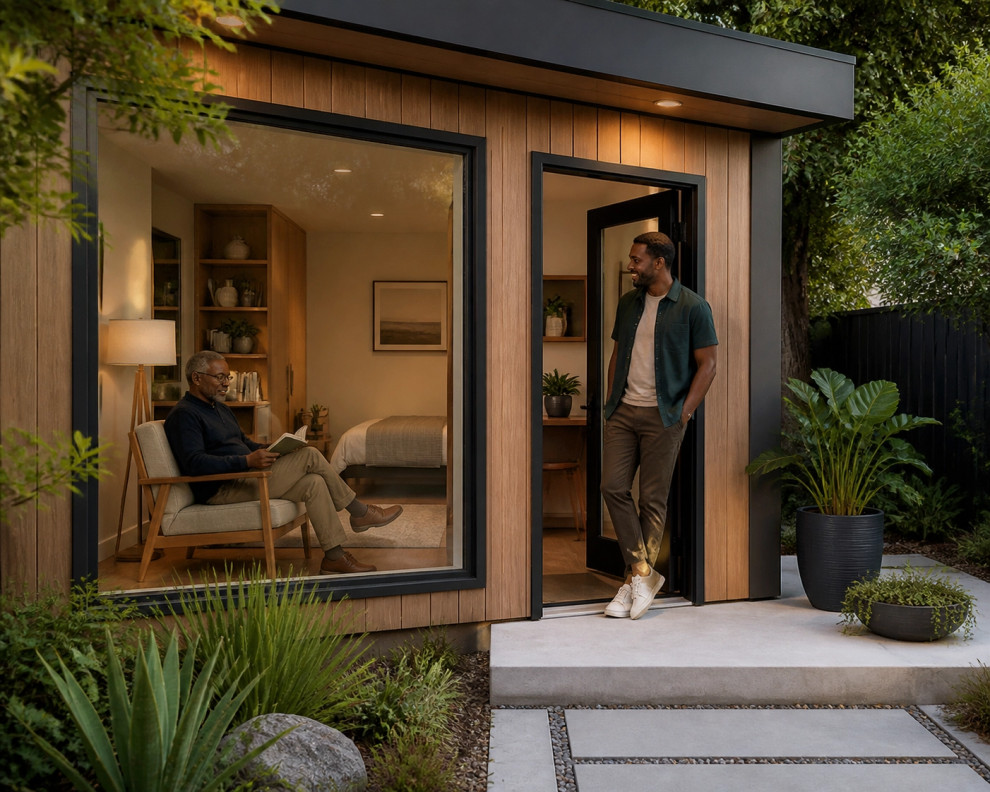
One of the most common complaints neighbors have about ADUs is parking. "Where will their guests park?" or "They are taking up all the street spots!" are familiar refrains. Fortunately, the law has anticipated this. In most cases, especially if you are near public transit, which covers a massive portion of Los Angeles and San Diego, you are not required to provide additional off-street parking for your ADU.
Furthermore, state law has set "setback" requirements that cities must honor. For example, a city cannot require more than a 4-foot side and rear yard setback for most ADUs. In the past, a city might have required a 10-foot or 15-foot gap, effectively making it impossible to build on smaller lots.
By standardizing these rules, the state has removed the "grey areas" that neighbor used to exploit. If we are 4 feet from the property line and your unit is under the height limit, your neighbor's objection about "privacy" or "space" usually won't have a legal leg to stand on. It is all about following the objective map laid out by the state.
5. Even HOAs Have Had Their Power Curtailed
For a long time, Homeowners Associations (HOAs) were the ultimate "final boss" for ADU projects. Many HOAs had strict bylaws that prohibited any secondary structures. However, California Assembly Bill 670 changed everything. This law essentially made it illegal for HOAs to prohibit or unreasonably restrict the construction of ADUs on single-family residential lots.
While an HOA can still have "reasonable" architectural guidelines, such as requiring the ADU to use similar shingles or paint colors as the main house, they cannot say "no" to the project entirely. This is a huge win for homeowners in planned communities across Southern California.
If you are worried about your HOA board, don't be. We can help you navigate their specific design requirements while ensuring they stay within the legal bounds of state law. You have the right to use your land to provide housing, and the law is increasingly recognizing that.
Why This Matters for Your Family’s Wealth
At the end of the day, an ADU is more than just a building; it is a tool for generational wealth and family stability. Whether you are renovating a kitchen in your main home or adding a full unit in the back, you are increasing the value of your property in a way that few other investments can match.
By removing the hurdles of neighbor opposition, the state has made ADUs one of the most cost-effective ways to expand housing options. You are taking control of your property and providing a space that can serve your family for decades to come whether that is a home for a college graduate, a rental for extra income, or a safe, fire-protected space for a loved one.
Moving Forward with Confidence
Building an ADU is a big step, and it is perfectly normal to want to stay on good terms with your neighbors. We always recommend a "friendly heads-up" to the folks next door: sometimes a simple conversation and a look at some beautiful project photos can clear up a lot of misconceptions.
However, it is a huge relief to know that your project’s success doesn’t depend on their permission. The ministerial approval process ensures that as long as we do our jobs right, your vision will become a reality.
If you are ready to explore what is possible in your backyard, we would love to help you navigate the process. From the first drawing to the final walkthrough, our team at COLEMAN BUILD LLC is here to ensure your project is handled with the professionalism and expertise you deserve.
Feel free to reach out to us to discuss your ideas. Let’s build something that adds value to your life and your community, one beautiful unit at a time. For more insights on the permitting process, you might also find our post on common ADU permit mistakes helpful!