
Are You Making These Common Mistakes When Legalizing an Old Garage Conversion?
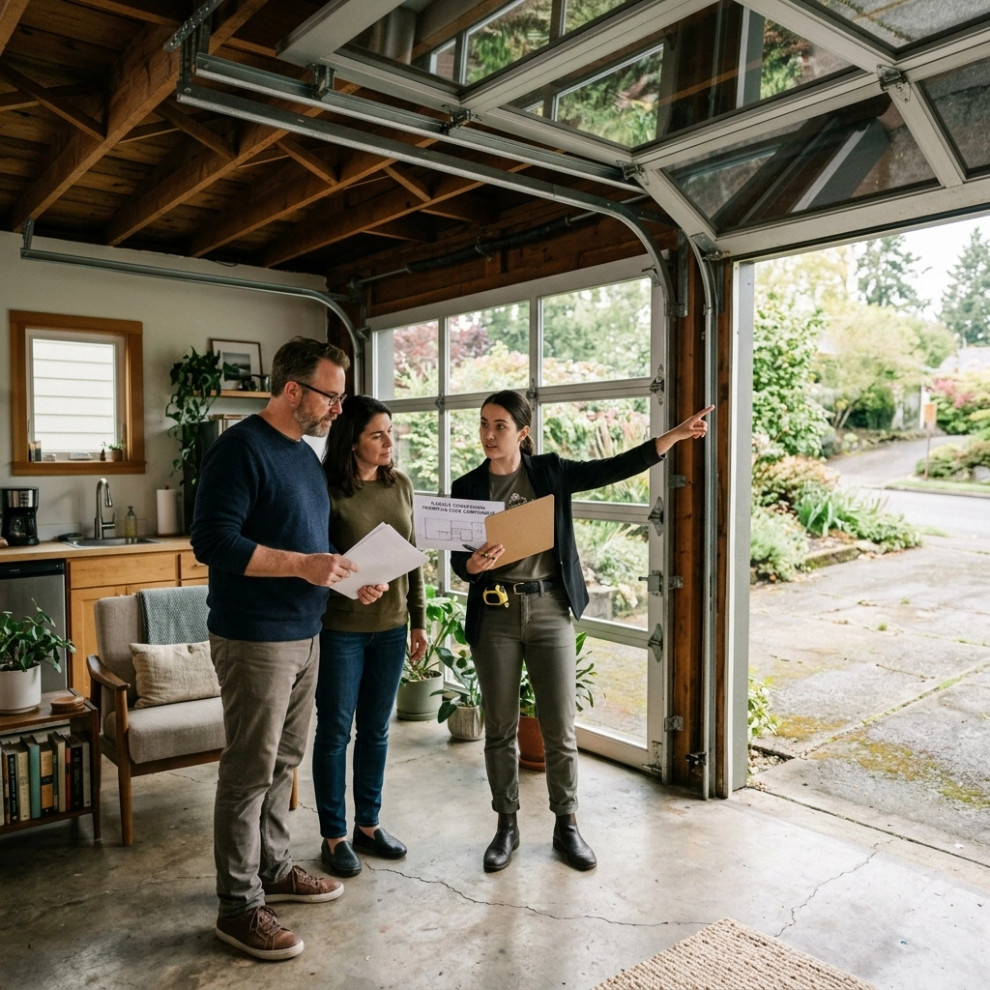
Perhaps you bought a home that already had a "finished" garage, or maybe years ago, you converted your own space to house a growing family or a home office. At the time, it seemed like a practical solution: a way to add square footage without the massive footprint of a ground-up addition. But now that you’re looking to sell, refinance, or perhaps turn that space into a legal rental unit, you’ve realized that the "bonus room" is technically a liability.
Legalizing an old garage conversion: often referred to as an "unpermitted ADU recovery": is a unique challenge. Unlike building from scratch, you are working backward to meet modern building codes with a structure that was never intended for long-term habitation. We’ve seen many homeowners navigate this process, and while it is entirely possible to bring these spaces into compliance, there are several common pitfalls that can turn a simple legalization into a costly headache.
Are you aware of the specific requirements your local building department has for these "legacy" conversions? Let’s walk through the most frequent mistakes we encounter and how you can avoid them to ensure your space is safe, legal, and adds genuine value to your property.
1. Assuming the "Existing" Status Grandfathers You In
One of the most persistent myths in residential construction is that if a conversion has existed for decades, it is somehow exempt from modern codes. While some jurisdictions offer minor concessions for older structures, the reality is that once you apply to legalize the space, the city typically requires it to meet current health and safety standards.
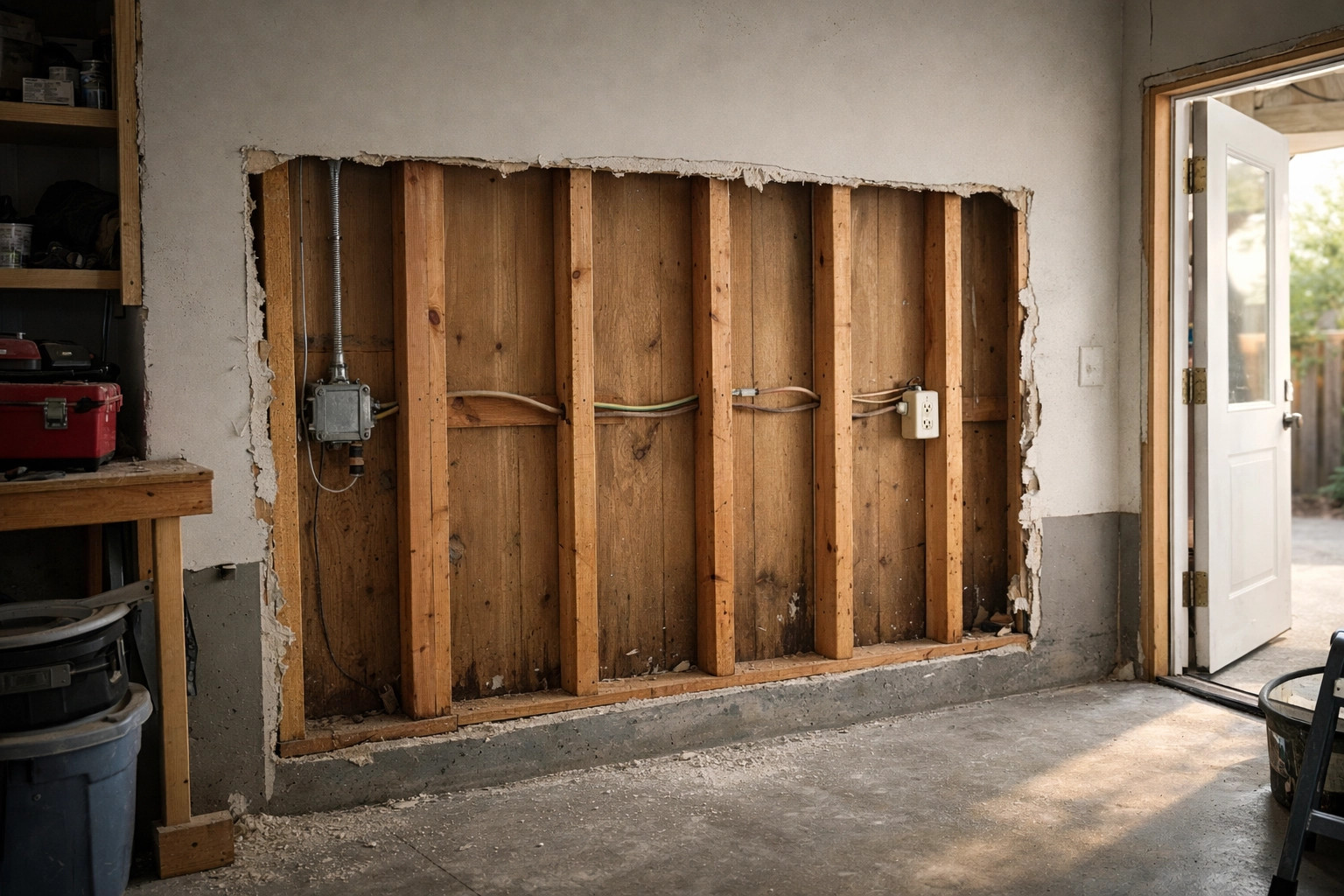
We often find that homeowners are surprised when an inspector asks them to tear open drywall to verify structural framing or insulation. If the original conversion was done "off the books," the city has no record of the electrical wiring, plumbing, or foundation work. Assuming you won’t have to change anything because "it’s been like that for twenty years" is a mistake that can lead to significant budget overruns.
2. Neglecting the Thermal Envelope and Insulation
Garages are designed to house vehicles, not people. Consequently, their original construction rarely accounts for the "thermal envelope": the barrier that keeps heat in during the winter and out during the summer. A common mistake is simply painting the existing walls and calling it a day.
In California, Title 24 energy standards are quite strict. To legalize a conversion, you will almost certainly need to address insulation in the walls, floor, and ceiling. Without proper insulation, the space will not only be uncomfortable to live in, but it will also be prone to moisture penetration. When warm air from a heater meets a cold, uninsulated garage wall, condensation forms: and where there is condensation, there is often mold. Ensuring a seamless and intentional insulation plan is essential for both code compliance and the longevity of the structure.
3. Treating the HVAC System as an Afterthought
How do you plan to heat and cool the space? Many homeowners assume they can just tap into the main house’s HVAC system. However, most residential units are sized specifically for the original square footage of the home. Adding a 400-square-foot garage to that load can strain the system, leading to premature failure and inadequate climate control in both the house and the conversion.
Furthermore, air ducting between a garage (even a converted one) and a primary residence can sometimes pose fire safety and air quality concerns. We often recommend a "ductless mini-split" system for legalized conversions. These units are highly efficient, allow for independent temperature control, and avoid the complications of extending existing ductwork. If you are planning a broader renovation, it is always wise to look at an early order strategy for these components to avoid delays.
4. Overlooking Fire Safety and Egress Requirements
When a space transitions from "storage" to "habitable," the safety requirements shift dramatically. The most critical of these is "egress": the ability to exit the room safely in the event of a fire.
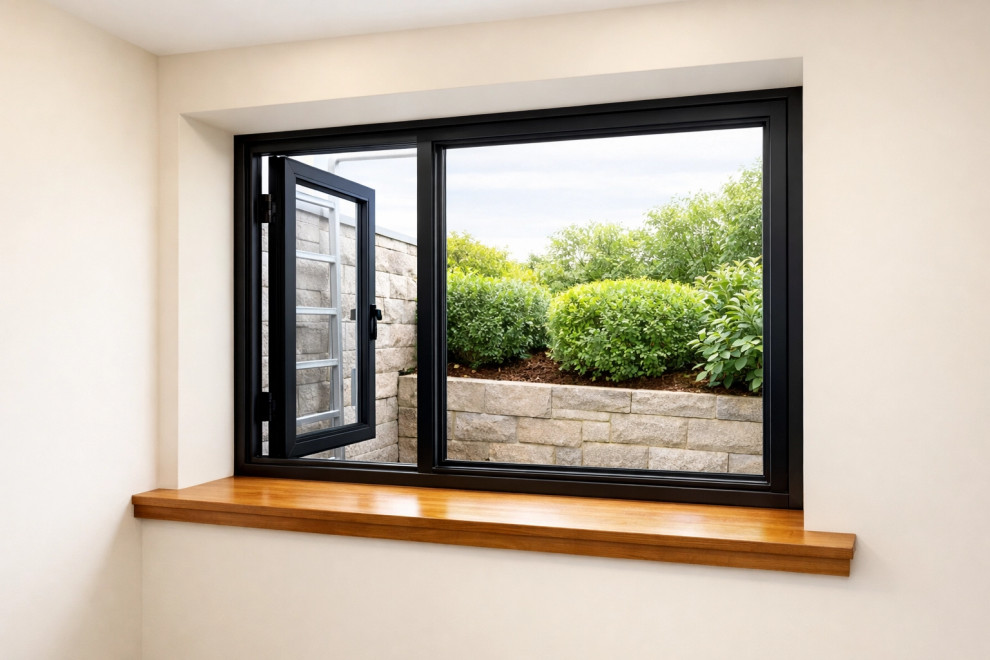
If the garage conversion includes a bedroom, it must have a window of a specific size and height from the floor to allow an occupant to escape and a firefighter to enter with equipment. Many older conversions have small, high windows that do not meet these requirements. Additionally, the wall separating the garage/ADU from the main house (if attached) must be a fire-rated assembly. Ignoring these life-safety codes is not just a legal mistake; it’s a genuine risk to anyone staying in the unit.
5. Inadequate Natural Light and Ventilation
Have you ever walked into a converted garage and felt like you were in a cave? This is usually due to a lack of natural light. Building codes typically require a specific percentage of the floor area to be matched by "glazing" (windows and glass doors).
Beyond just meeting the code, thoughtful lighting design makes the space feel like a home rather than a repurposed utility room. We suggest considering window expansion or the addition of skylights to brighten the interior. Proper ventilation is equally important: bathrooms must have exhaust fans, and living areas need a source of fresh air. Failing to plan for these early on can result in a space that feels damp and uninviting.
6. The "Plumbing Surprise"
Legalizing a kitchen or bathroom in a garage conversion is where many budgets go to die. Because garages are usually built at a lower elevation than the main house (on a slab), running sewer lines can be complicated.
A common mistake is assuming you can just "tie in" to the nearest pipe. If the slope (grade) isn't correct, you may need to install a sewage ejector pump, which adds cost and maintenance. Before you commit to a floor plan, it is vital to have a professional assess the existing plumbing and the feasibility of your new layout. You might find some inspiration for how to handle these utility integrations by looking at our bathroom renovation projects.
7. Ignoring Parking Requirements
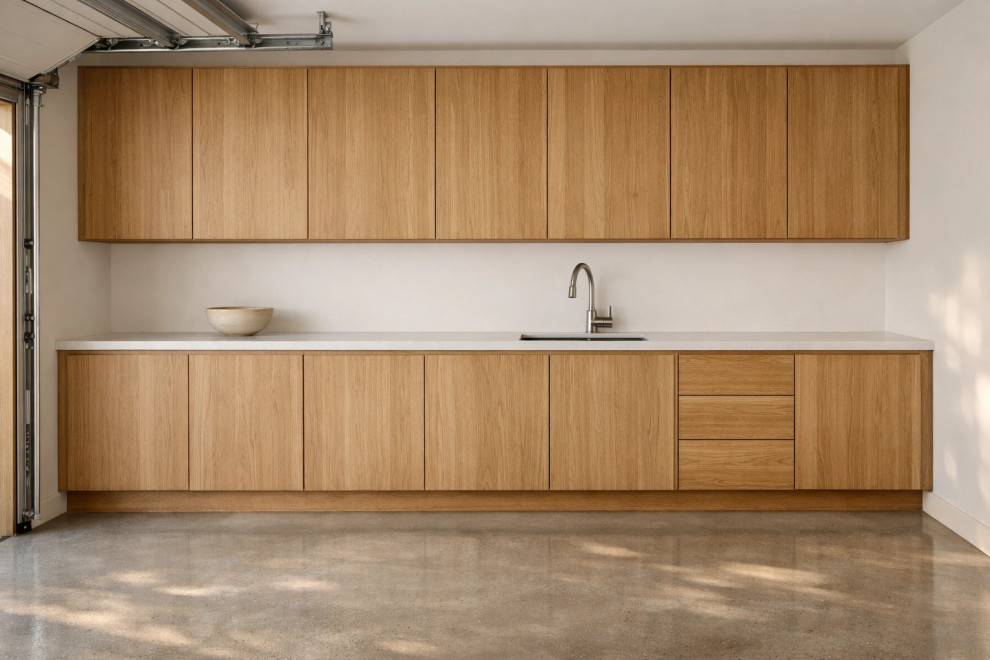
This is a trap that catches many homeowners in urban areas. In some jurisdictions, if you convert a garage into a living space, you are legally required to replace those covered parking spots elsewhere on your property.
While some modern ADU laws: especially in California: have relaxed these parking requirements if you are near public transit, they haven't disappeared entirely for every type of conversion. Before you finalize your plans, you must verify how your local zoning laws treat the loss of garage parking. Deciding whether an ADU or a JADU is better for your strategy often hinges on these specific parking and zoning nuances.
8. Hiring Based on Price Alone
The process of legalizing an unpermitted structure is more complex than a standard remodel. It requires a contractor who understands how to work with inspectors and how to navigate the "discovery" phase: where you uncover what exactly is behind those old walls.
Choosing the lowest bid often leads to "change order" cascades once the walls are opened and the inspector starts making demands. You want a partner who is transparent about the potential challenges. We pride ourselves on being a guide through this complexity, ensuring that the final result is not just "legal" but is a harmonious and well-built addition to your home.
9. Forgetting the Floor
Garages are often built with a slight slope toward the door to allow for drainage. When you legalize the space, you’ll likely want a level floor. Simply laying laminate over a sloped concrete slab will result in "bounce" and eventually cause the flooring to separate.
Correcting the subfloor: either through a self-leveling compound or a new sleepers-and-plywood system: is a step that many DIYers skip. Taking the time to create a level, moisture-protected subfloor is the difference between a room that feels like a "converted garage" and a room that feels like a true extension of the home.
10. Skipping the Professional Design Phase
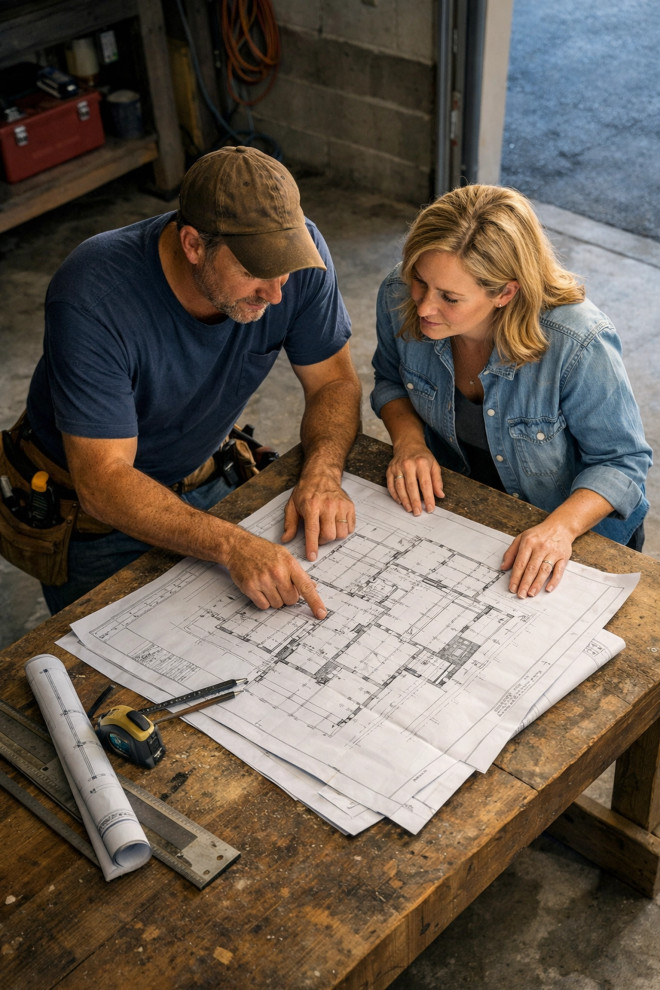
It is tempting to just "draw something up" to show the city. However, legalizing a conversion is the perfect time to rethink the flow of the space. Because you already have the "shell," you have the opportunity to be very intentional with the interior layout.
A professional design ensures that every square inch is utilized. It allows you to visualize how the light will hit the room at different times of the day and how the plumbing will align with existing stacks. Whether it's a master bedroom remodel or a guest suite, professional plans make the permit process smoother and the final product much more valuable.
Moving Forward with Confidence
Legalizing an old garage conversion might feel like navigating a maze of red tape, but the rewards are significant. You gain peace of mind, ensure the safety of your family or tenants, and officially increase your home’s recorded square footage: which is a major win for your property value.
The key is to move away from the "patchwork" mentality and embrace a comprehensive, code-compliant approach. By avoiding these common mistakes: focusing on insulation, fire safety, and proper permitting: you can transform a questionable "bonus room" into a high-quality living space that stands the test of time.
If you are ready to stop worrying about the "unpermitted" status of your conversion and want to explore how to bring it up to standard, our team at COLEMAN BUILD LLC is here to help. We can walk through your existing space, identify the hurdles, and create a roadmap for a successful legalization. Let’s turn that old garage into a beautiful, legal, and welcoming part of your home.