
Looking to Age in Place in LA? Here Are 10 Home Modifications You Should Know
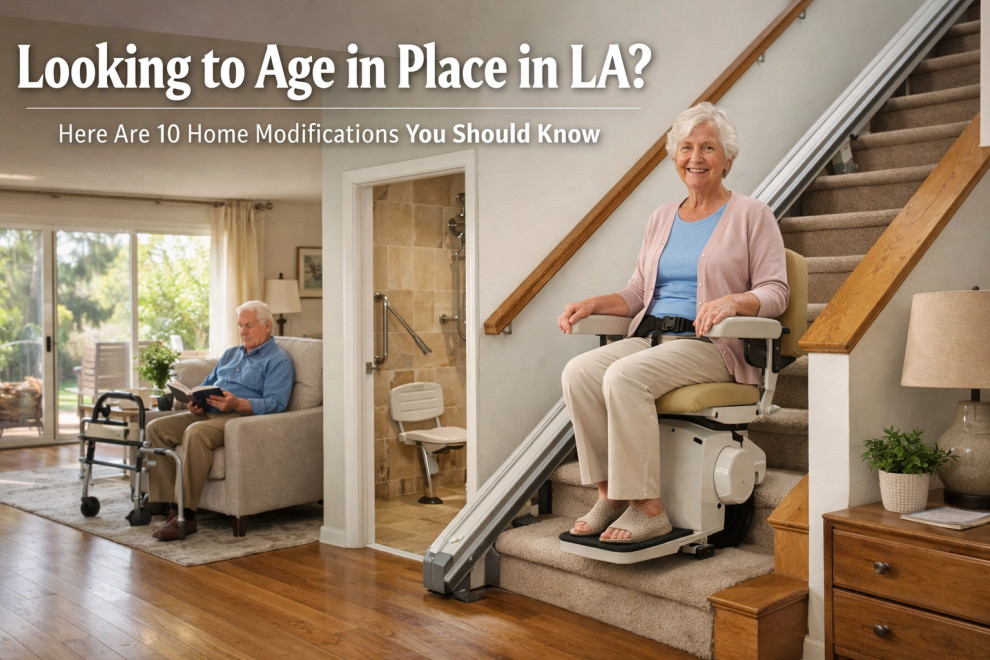
More Los Angeles homeowners are choosing to stay in their homes as they age: and for good reason. Aging in place remodeling Los Angeles projects allow you to maintain independence, preserve your connection to your neighborhood, and avoid the disruption of relocating. But making your home safe and comfortable for the long term requires thoughtful planning.
We've worked with countless families who want to future-proof their homes through universal design principles. These modifications aren't just about safety. They increase home value, improve daily comfort, and create spaces that work for everyone: regardless of age or mobility level.
Here are 10 essential home modifications for seniors that can transform your Los Angeles home into a lifelong sanctuary.
1. Walk-In Showers with Zero-Threshold Entry
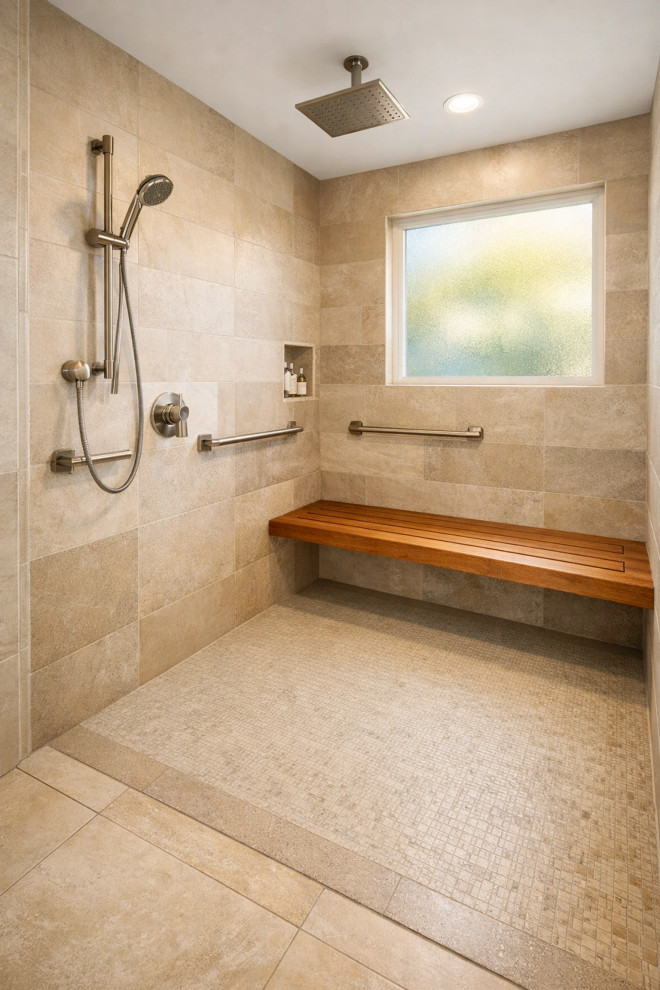
Traditional bathtubs present one of the biggest fall risks in any home. We often recommend replacing them with walk-in or roll-in showers that eliminate the need to step over a high tub edge. A zero-threshold entry means the shower floor sits flush with the bathroom floor, allowing seamless access.
These showers can include built-in seating, handheld showerheads, and slip-resistant flooring. The design feels spa-like and modern: not institutional. For many homeowners, this single modification provides the greatest peace of mind while adding genuine appeal if you ever decide to sell.
2. Strategically Placed Grab Bars and Railings
Grab bars might seem purely functional, but today's options come in brushed nickel, oil-rubbed bronze, and other finishes that complement your bathroom's aesthetic. We install them in showers, next to toilets, and along hallways where extra stability matters most.
The key is proper placement and secure installation. Grab bars must be anchored into wall studs or blocking: not just drywall: to support your weight safely. When installed correctly, they blend into your home's design while providing essential support for balance and mobility.
3. Wider Doorways Throughout Your Home
Standard doorways measure 30 to 32 inches wide. That works fine until you need to navigate with a walker, wheelchair, or simply want more breathing room. We typically widen doorways to 36 inches, which accommodates most mobility aids comfortably.
This modification requires some structural work, but it dramatically improves accessibility throughout your home. Wider doorways also make your spaces feel more open and inviting: a benefit everyone can appreciate. Consider prioritizing high-traffic areas like the master bedroom, bathroom, and main living spaces.
4. Lever-Style Door Handles and Faucets
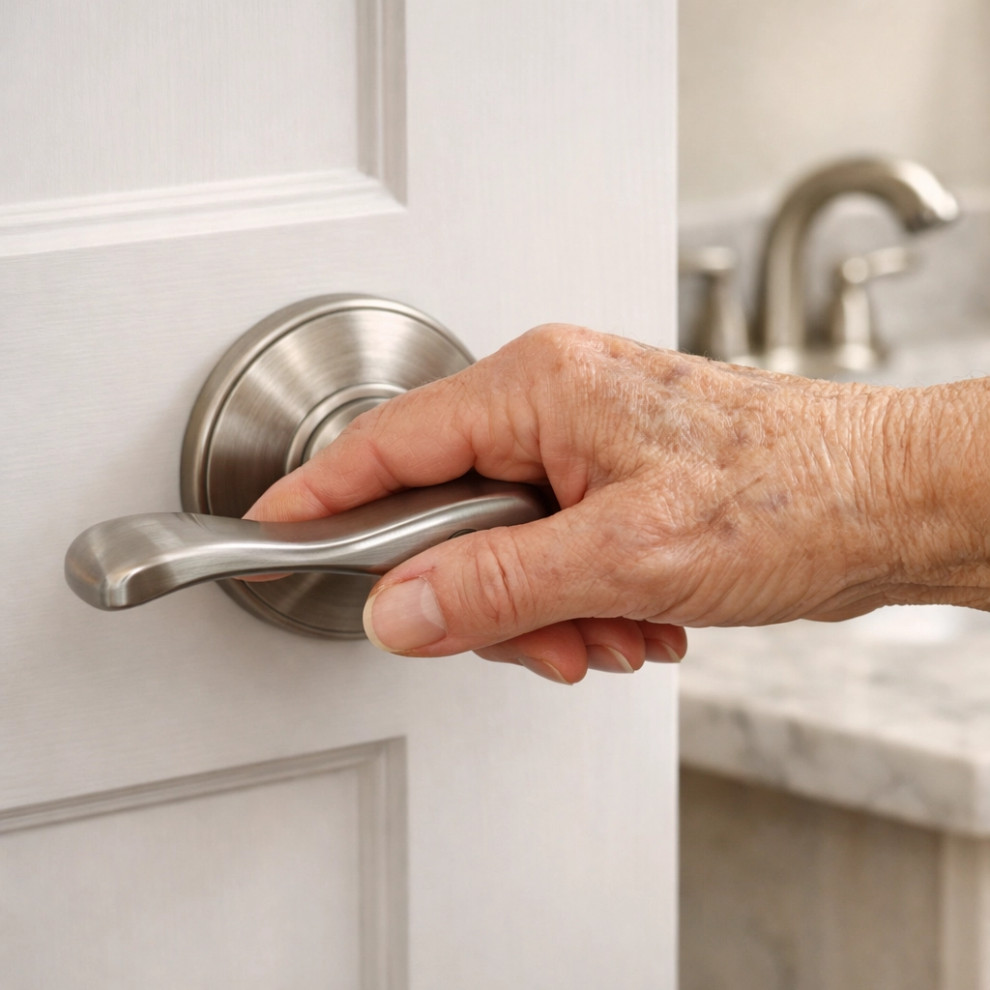
Round doorknobs require grip strength and twisting motion that can become challenging with arthritis or limited dexterity. Lever-style handles operate with a simple downward press, making them effortless to use. The same principle applies to faucets: we recommend replacing traditional knobs with lever or touchless options.
This seemingly small change makes a significant difference in daily comfort. You can open doors and control water flow without strain. And because lever hardware comes in every style imaginable, you won't sacrifice your home's aesthetic for functionality.
5. Comprehensive Lighting Upgrades
Adequate lighting prevents falls and helps you navigate your home safely at any hour. We approach lighting in layers: combining overhead fixtures, task lighting, and pathway illumination. Motion-sensor lights work particularly well in hallways, bathrooms, and stairways.
Consider adding under-cabinet lighting in the kitchen, brighter bulbs in reading areas, and night lights that automatically illuminate at dusk. Dimmer switches give you control over brightness levels throughout the day. Good lighting also enhances your home's ambiance while reducing eye strain and improving overall safety.
6. Non-Slip Flooring Throughout High-Risk Areas
Slippery floors rank among the top causes of falls at home. We recommend non-slip flooring materials for bathrooms, kitchens, and entryways: anywhere water or spills might occur. Options include textured tile, luxury vinyl with slip-resistant coatings, and low-pile carpet that won't catch on mobility aids.
The goal is finding materials that provide traction without feeling rough underfoot. Many modern non-slip options look identical to standard flooring but offer crucial grip when you need it most. This modification pairs especially well with improved lighting to create the safest possible environment.
7. Wheelchair Ramps and Step-Free Entries
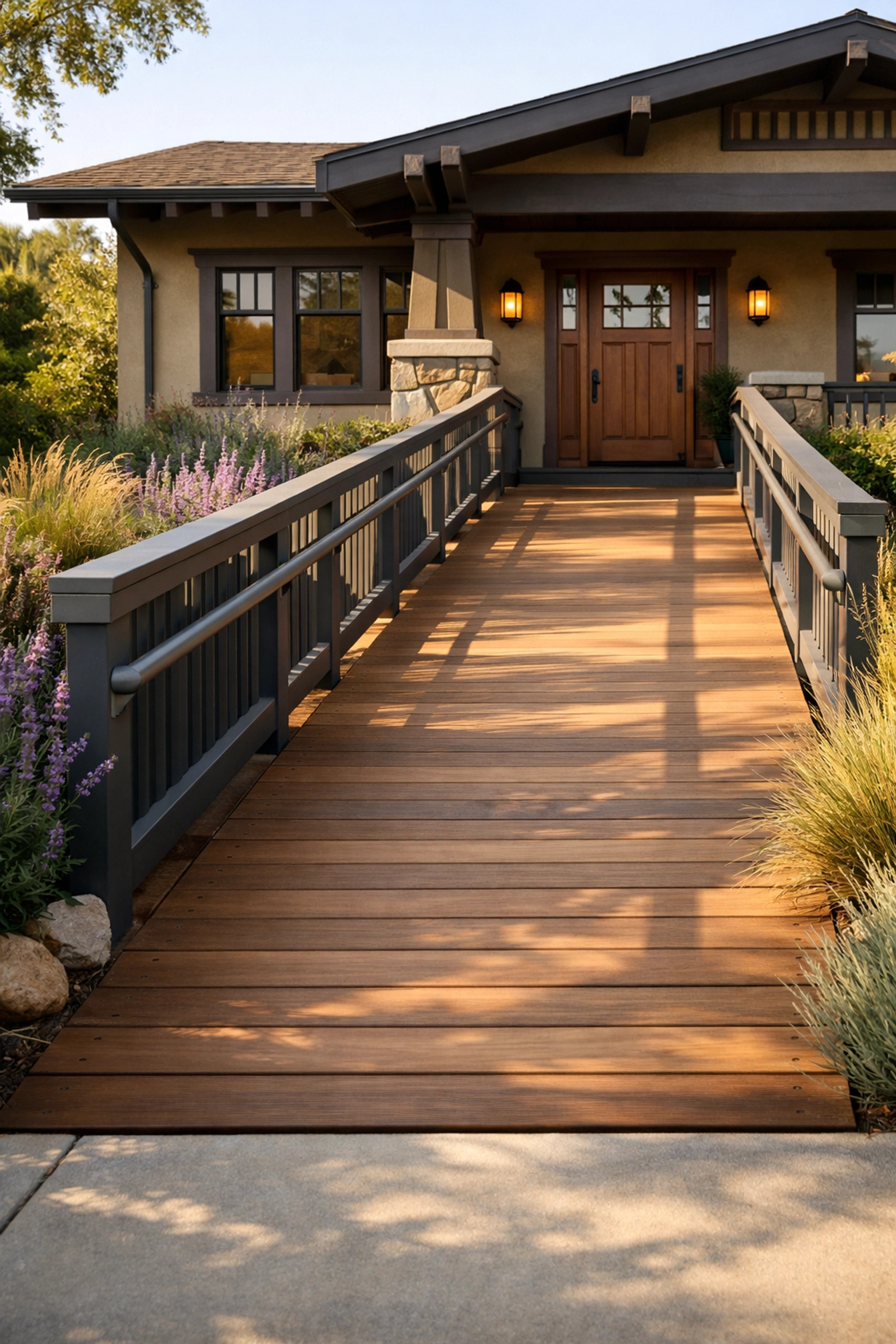
If your home has exterior steps, a properly designed ramp provides independent access. Building codes require specific slope ratios: typically one foot of ramp length for every inch of height change. We design ramps that meet these requirements while complementing your home's exterior.
Ramps don't have to be purely utilitarian. With thoughtful design, handrails, and landscaping integration, they can enhance your home's curb appeal. Some homeowners opt for portable ramps as an interim solution, but permanent installations offer better stability and aesthetic integration.
8. First-Floor Master Suite Conversion
Stairs become more difficult to navigate as mobility changes. If your master bedroom sits on the second floor, converting a first-floor room into a full bedroom suite eliminates daily stair climbing. This might mean reconfiguring a guest room, home office, or den.
The conversion typically includes adding or expanding a nearby bathroom and ensuring adequate closet space. While this represents a more substantial renovation, it fundamentally changes how you experience your home. You gain independence and reduce fall risks associated with stairs: two benefits that cannot be overstated.
9. Kitchen Modifications for Easy Access
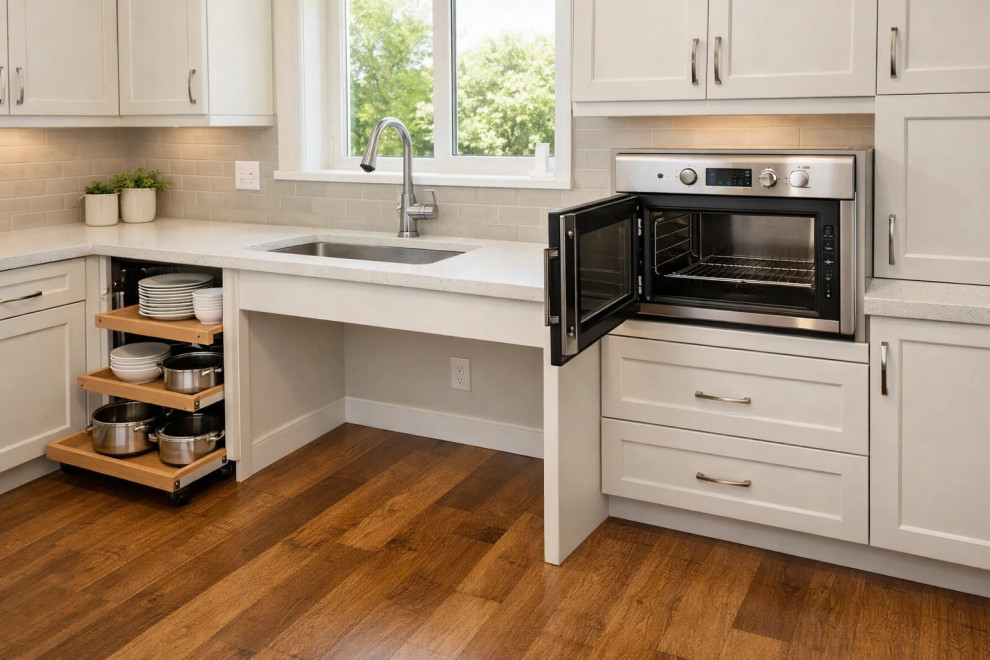
We often modify kitchens to include pull-out shelves in lower cabinets, lowered countertop sections for seated work, and side-opening ovens that eliminate the need to reach over hot doors. Appliances with front-mounted controls are easier to operate than those with back controls.
Consider adding under-counter space for wheelchair access at key work zones. Touch-activated faucets, pot-filler faucets near the stove, and lazy Susans in corner cabinets all contribute to a more accessible kitchen. This universal design LA features appeal to buyers of all ages while making cooking safer and more enjoyable for you now.
10. Essential Systems Upgrades
Aging in place means your home's infrastructure must remain reliable. We recommend upgrading electrical systems to accommodate medical equipment, improving HVAC for better temperature control, and ensuring plumbing can handle water pressure needs. These behind-the-scenes improvements prevent emergencies that could force you out of your home.
Smart home technology integrates well here: programmable thermostats, video doorbells, and emergency alert systems provide added security and convenience. While less visible than other modifications, systems upgrades protect your investment and give you confidence in your home's long-term functionality.
Financial Assistance for Los Angeles Homeowners
Several Los Angeles programs support aging-in-place modifications for eligible seniors. The City of Los Angeles Handyworker program provides up to $5,000 for home modifications at no cost to homeowners 62 and older with disabilities or those with low incomes. The LA County Senior Grant Program offers up to $20,000 for eligible homeowners in unincorporated areas.
The Older Adults Home Modification Program conducts occupational therapy assessments and recommends modifications based on your specific needs. These resources can make essential safety improvements more affordable. Keep in mind that some programs have waitlists, so we recommend applying as early as possible.
The Universal Design Advantage
These modifications embody universal design principles: creating spaces that work for everyone, regardless of age or ability. That design philosophy increases your home's value because it appeals to multi-generational families and forward-thinking buyers who recognize long-term livability.
We've watched universal design LA projects transform homes into spaces that serve families better at every life stage. The grandmother who installs a walk-in shower creates something her visiting grandchildren also enjoy. The homeowner who widens doorways gains resale advantages in a competitive market.
Your home can evolve with you rather than against you. These modifications represent an investment in safety, independence, and long-term property value. Whether you implement one change or all ten, each improvement brings you closer to a home that supports your vision for aging in place with dignity and comfort.
If you're ready to explore aging in place remodeling Los Angeles options for your home, our team can help you prioritize modifications based on your needs, budget, and timeline. We'll create a plan that honors your home's character while ensuring it serves you beautifully for decades to come.