
Is Your Garage Conversion Illegal? How to Finally Legalize It Under 2026 Rules
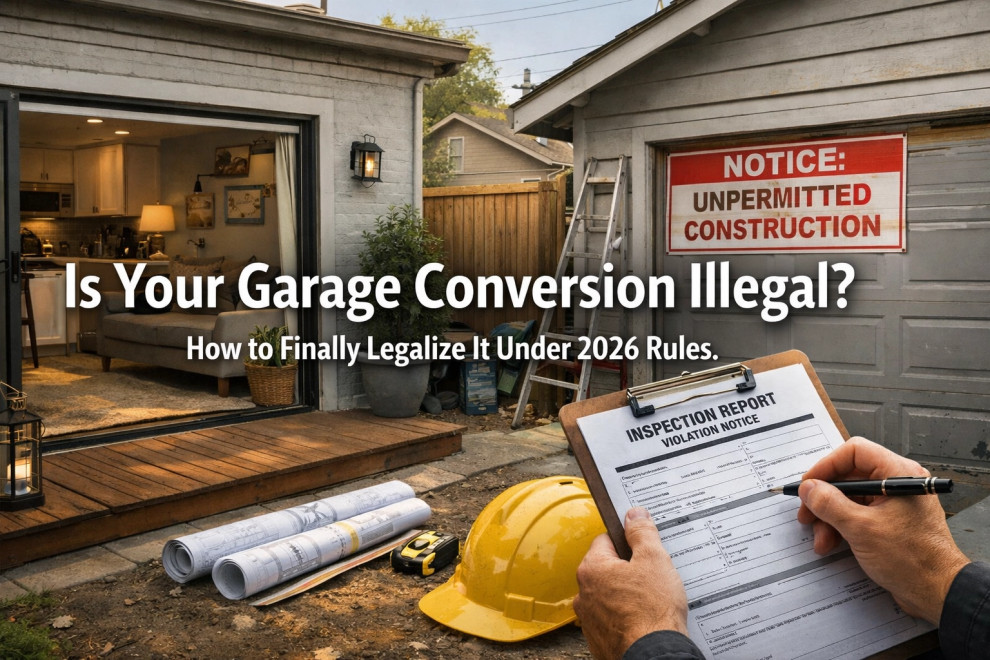
If you have spent any time looking at real estate in Los Angeles, you have likely encountered the "bonus room", that finished space that looks remarkably like a garage but functions as a bedroom or a studio. Perhaps you bought a home that already had one, or maybe you converted your own garage years ago to make room for a growing family. Whatever the history, a nagging question often remains in the back of your mind: is this actually legal?
For a long time, the answer was often a frustrating "no," accompanied by the constant fear of code enforcement showing up at your door. However, the landscape has shifted significantly as we move through 2026. Recent California legislation, specifically AB 2533, has opened a pathway for homeowners to bring these "off-the-books" units into the light without the heavy-handed penalties of the past. Our team at COLEMAN BUILD LLC has spent the last few years helping homeowners navigate these waters, and we want to show you exactly how to turn that liability into a legal, value-adding asset.
The Reality of the "Unpermitted" Label
An unpermitted garage conversion might feel like a minor clerical oversight, but it carries real weight in today’s market. Beyond the risk of daily fines: which can sometimes reach $500 per day: illegal units can complicate your homeowners' insurance and create massive hurdles if you ever decide to sell or refinance your property. Most lenders are hesitant to value a space that doesn't officially exist on city records.
The good news is that the state of California has recognized the housing shortage and is prioritizing safety over punishment. Laws like AB 2533 now mandate that local building departments assist property owners in legalizing units built before January 1, 2020. The goal is no longer to tear these spaces down, but to ensure they are safe for the people living in them.
Understanding the 2026 Amnesty Framework
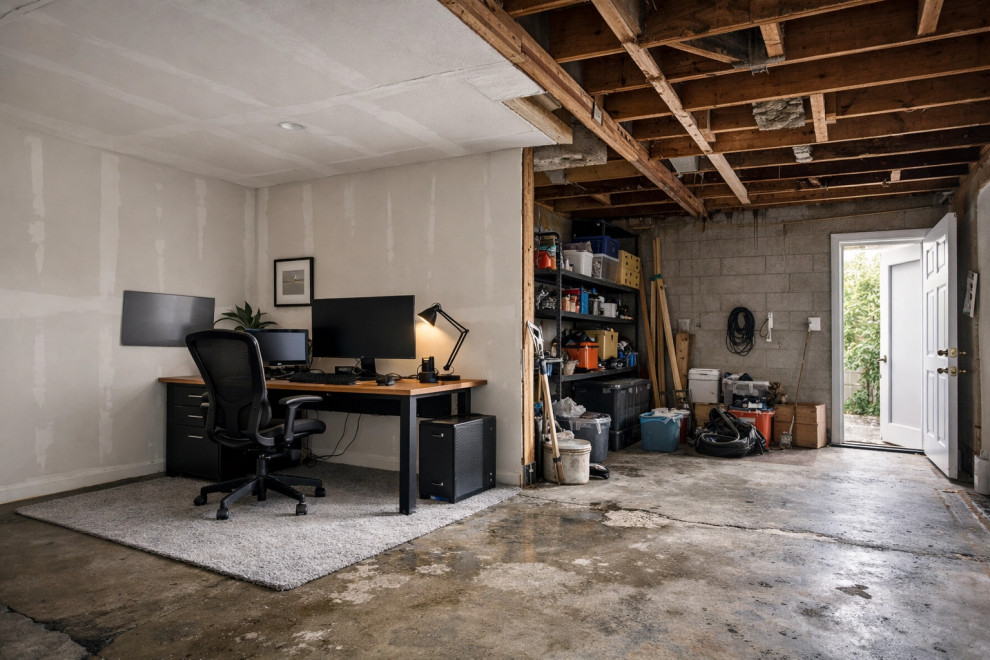
The current "amnesty" rules are designed to be a bridge rather than a barrier. If your conversion was completed before 2020, you are eligible for a streamlined legalization process. This is a game-changer because it allows you to avoid certain modern requirements that would be physically impossible to meet without rebuilding the entire structure from scratch.
One of the most significant benefits of this program is the waiver of impact and connection fees. Usually, creating a new living unit involves paying thousands of dollars to the city for the increased load on local infrastructure. Under the legalization rules, if you aren't adding new utility connections, these fees are often prohibited. This can save you a substantial amount of money, making the project much more feasible than it was five or ten years ago.
What the City Is Looking For: Health and Safety First
When you decide to legalize your garage conversion, the city’s primary concern is "Health and Safety." They aren't necessarily looking for architectural perfection: they are looking for a space that won't catch fire or trap someone inside during an emergency. Our team typically finds that the legalization checklist focuses on several key areas:
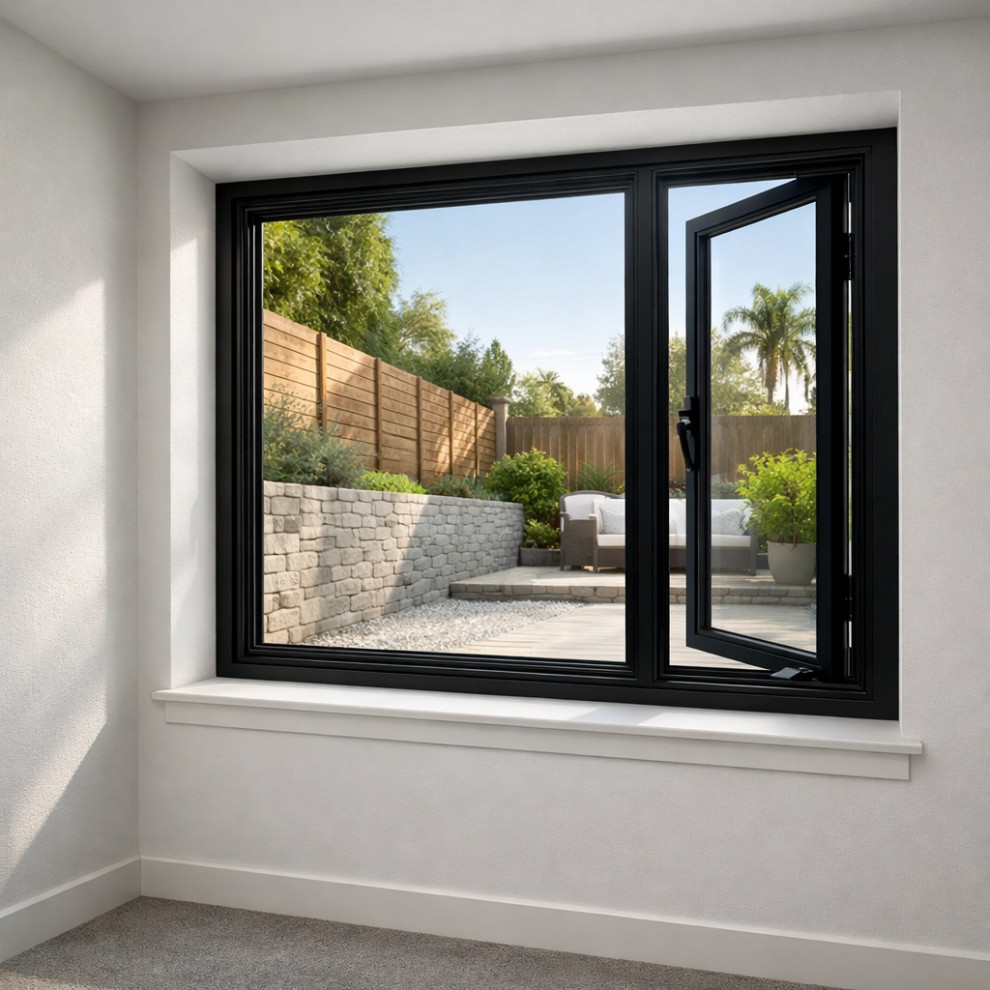
- Natural Light and Ventilation: Every habitable room needs a certain amount of window area. If your garage only has one small window, you may need to install a larger, "egress-rated" window that someone can actually climb through in an emergency.
- Ceiling Height: Most building codes require at least 7 feet of ceiling height. While older garages can be tight, there are often workarounds that we can explore during a house remodel.
- Fire Separation: If the garage is attached to the main house, there must be a proper fire-rated wall (usually 5/8" Type X drywall) separating the two spaces to prevent a fire from spreading quickly.
- Electrical and Plumbing: This is where many DIY conversions fail. The city will want to see that your outlets are properly grounded and that any plumbing for a kitchenette or bathroom is vented and draining correctly.
The Step-by-Step Legalization Process
Legalizing a space can feel like a bureaucratic maze, but it follows a logical progression. Here is how we typically walk our clients through the process:
1. The Initial Assessment
Before talking to the city, we recommend having a professional assessment. We walk through the space to identify the "low-hanging fruit" and the potential deal-breakers. It is much better to find out your foundation needs retrofitting now than to have a city inspector tell you after you've already paid for permits.
2. Obtaining the Checklist
Under AB 2533, you can request a specific checklist from the local building department. This document outlines exactly what repairs or upgrades are required to bring your specific unit into compliance. This creates a clear roadmap, removing the guesswork from the equation.
3. Drafting the "As-Built" Plans
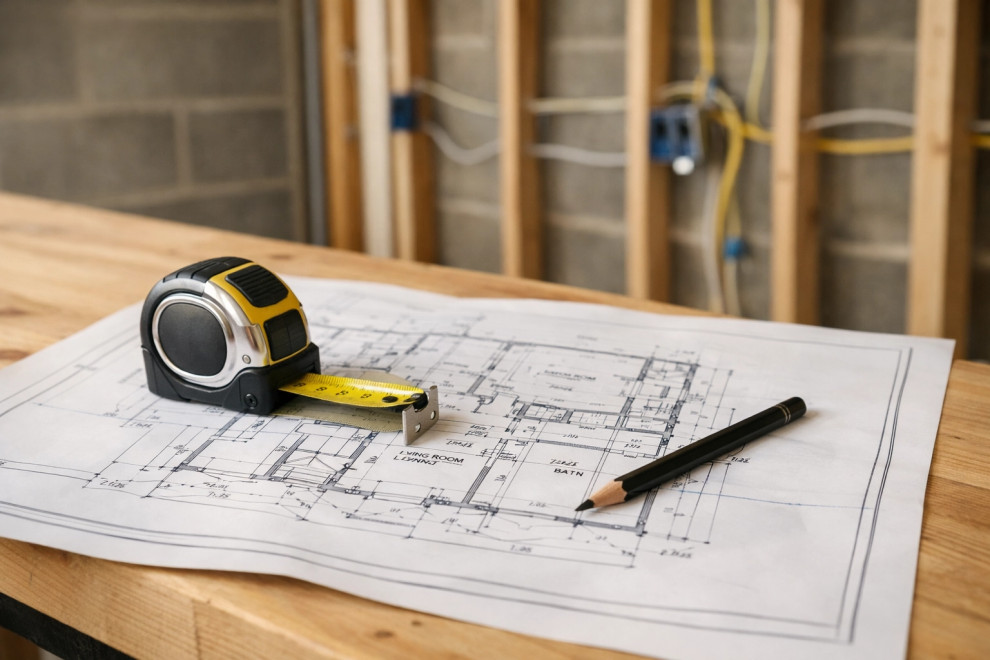
Even though the structure is already there, the city needs to see it on paper. You will need a set of "as-built" plans that show the layout, the electrical work, and the structural details. This is a core part of our services, as accurate plans are the foundation of a smooth approval process.
4. Performing the Necessary Upgrades
This is the construction phase. Based on the checklist, we might need to add insulation, upgrade the electrical panel, or install a heating system. Since the space is already "finished," this can sometimes feel like a bit of a surgical operation: opening up specific walls to verify what’s behind them and then closing them back up seamlessly.
5. Final Inspections and Permit Issuance
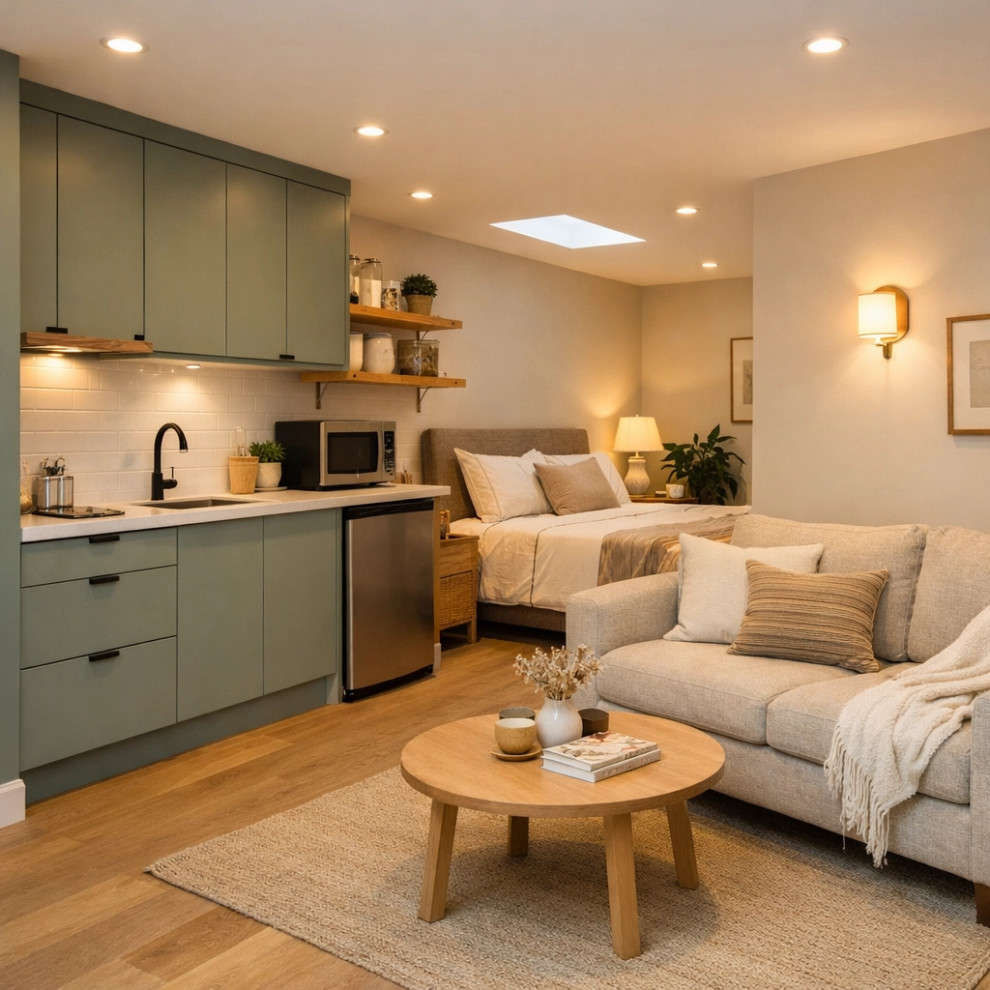
Once the work is done, the city inspector will come out to verify that everything matches the approved plans. When they sign off, your unpermitted garage officially becomes a legal Accessory Dwelling Unit (ADU) or a permitted living space.
Comparing the Costs: Legalization vs. New Construction
You might be wondering if it's worth the investment. While permit costs for garage conversions can range from $2,500 to $15,000 depending on the scope, this is significantly less than building a new ADU from the ground up.
When you look at the breakdown of construction costs, you'll see that "illegal" space is often a wasted asset. By legalizing it, you aren't just following the rules; you are adding tangible value to your property. A legal ADU can often add more value than a simple home addition, as it offers the potential for rental income or a private space for multi-generational living. You can read more about this in our guide on ADU vs Home Addition in LA.
The Hidden Benefits of Compliance
Beyond the financial gains, there is an emotional weight that lifts when you legalize a space. You no longer have to worry about neighbors reporting an illegal tenant or a "stop work" order appearing on your front door.
Furthermore, a legalized space is a safer space. Many unpermitted conversions have "creative" wiring that poses a genuine fire risk. By bringing the electrical up to code, you are protecting your family and your investment. We often see that once a space is legalized, homeowners feel more confident investing in higher-quality finishes: like thoughtful bathroom renovations: because they know the space is there to stay.
Taking the First Step Toward Peace of Mind
The process of legalizing an unpermitted garage conversion might seem daunting, but the 2026 rules have made it more accessible than ever before. It is no longer a matter of "if" you will get caught, but "when" you will choose to turn that space into a legal part of your home.
Whether you are looking to create a guest suite, a home office, or a rental unit, our team at COLEMAN BUILD LLC is here to guide you through every technical and bureaucratic hurdle. We believe every home should be a source of security and pride, not a source of legal anxiety.
If you are ready to see what it would take to legalize your space, we invite you to reach out to us. We can help you navigate the amnesty rules, handle the city paperwork, and ensure your conversion is safe, beautiful, and completely above board. The path to a legal home is clearer than it has ever been( let’s walk it together.)