
How to Legalize an Unpermitted ADU in Los Angeles (2026 Step-by-Step Guide)
You know that converted garage in your backyard? The one your uncle helped you finish back in 2018, complete with a kitchenette and bathroom? It's been a lifesaver: extra rental income, a place for aging parents, maybe even a home office. But there's one problem: it's not exactly legal.
You're not alone. Thousands of LA homeowners have unpermitted ADUs, often called "bootleg units" or informal conversions. The good news? 2026 is actually the perfect time to bring your unit out of the shadows and make it fully legal. Recent state legislation has made the process more accessible than ever, and we're here to walk you through exactly how it works.
Why 2026 Is Your Year to Legalize
California's AB 2533 amnesty program has changed the game for homeowners with older ADUs. If your unit was built before January 1, 2020, you can now legalize it through a streamlined process that focuses on safety: not strict zoning compliance or full reconstruction.
This is a big deal. In the past, legalizing an unpermitted structure often meant tearing it down and starting from scratch. Now, the state recognizes that many of these units are structurally sound and just need targeted safety upgrades to meet code. Plus, once you submit your application, enforcement actions pause. That means you can breathe a little easier while working through the process.
Another bonus? Impact fees are often waived under this program unless you're connecting new utilities. The city wants to help homeowners legalize existing housing stock, not penalize them for trying to do the right thing.
Step 1: Initial Assessment: Is Your ADU Safe?
Before you dive into paperwork, start with an honest assessment of your structure. You need to determine two things: does it qualify for the amnesty program, and what kind of shape is it in?
Your ADU qualifies if it was built before January 1, 2020. That's the hard line. If you started construction after that date, you'll need to follow a different permitting path.
Here's where we recommend working with a licensed contractor for a confidential pre-inspection. This isn't the official city inspection: it's a private assessment that helps you understand what safety fixes might be needed before you formally apply. The beauty of this approach is that it doesn't trigger penalties during formal compliance checks. You're gathering information, not inviting scrutiny.
During this phase, your contractor will look at critical safety elements: foundation integrity, electrical systems, plumbing, fire egress, and ventilation. This gives you a realistic picture of what you're working with and helps you budget accordingly.
Step 2: Site Plan and Documentation
Once you know your ADU is a good candidate for legalization, it's time to gather documentation. You'll need a site plan showing the ADU's location on your property, accurate measurements, and any existing utility connections.
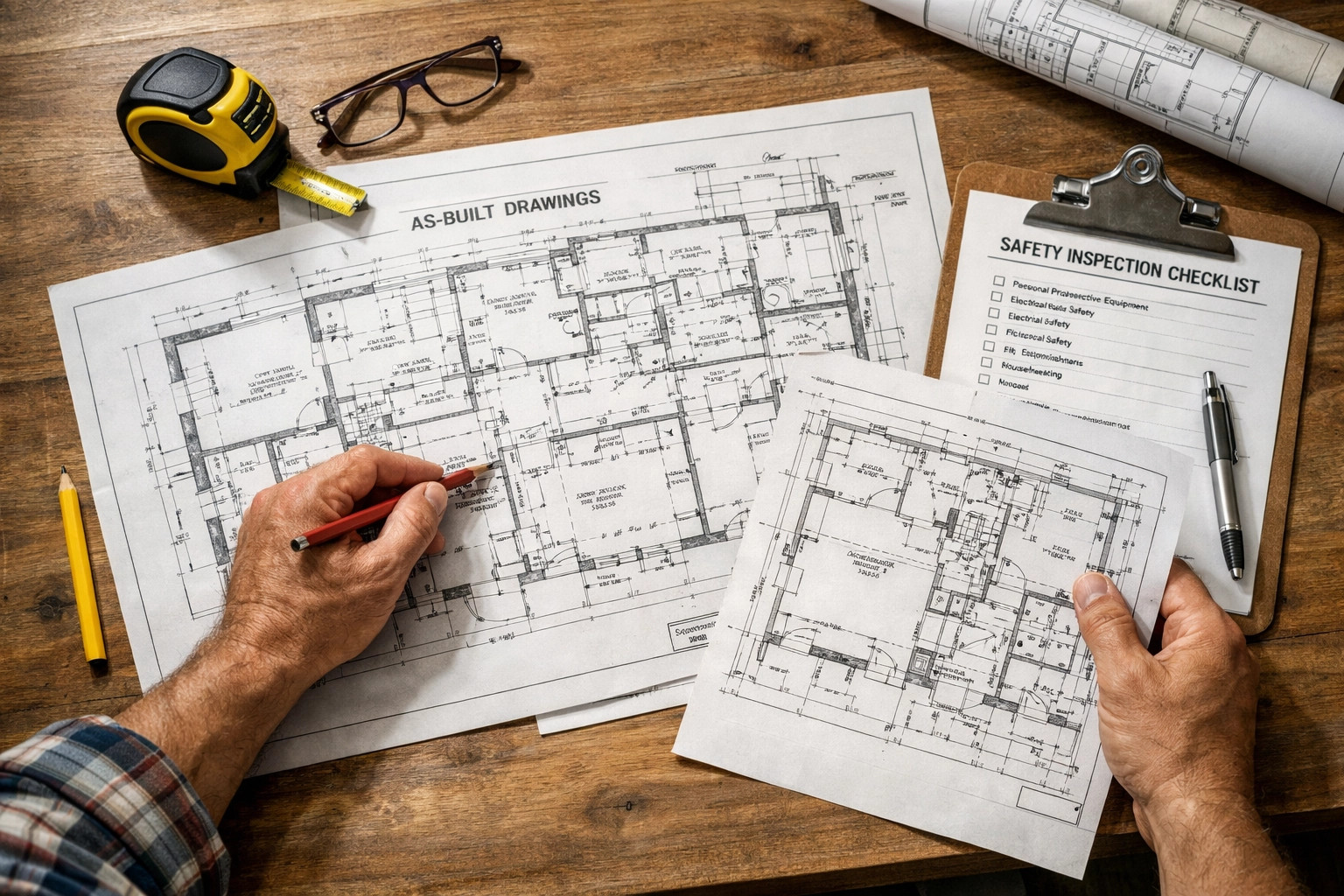
If you don't have original plans: and let's be honest, most unpermitted units don't: you can hire a drafting professional to create as-built drawings. These show your ADU exactly as it exists today, including all structural elements, electrical panels, plumbing fixtures, and exits.
You'll also want to collect any receipts, permits, or records related to work done on the unit. Even informal documentation can help establish a timeline and show good-faith efforts to maintain the structure safely.
This documentation becomes the foundation of your application to the city. At Coleman Build, we handle this entire process for our clients because we know how overwhelming it can feel to pull together technical drawings and permit-ready documentation. Every detail matters: especially when you're trying to convince the city your ADU deserves legal status.
Step 3: Navigating LADBS and City Departments
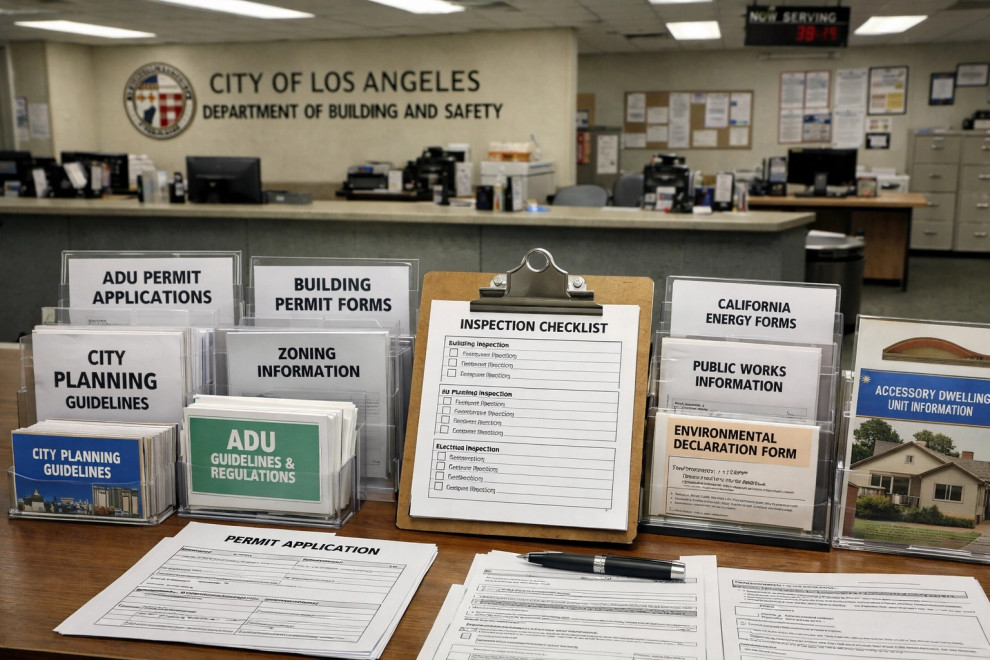
Here's where the process gets a bit bureaucratic, but stay with us. You'll be working with three city departments: City Planning, the Department of Building and Safety (LADBS), and the Housing and Community Investment Department (LAHD).
Start by filing your legalization application with City Planning. Thanks to AB 543, the city must provide a written completeness determination within 15 business days. If they don't respond in that timeframe, your application is automatically deemed complete. This provision keeps things moving and prevents your application from sitting in limbo.
Once your application is accepted, LADBS will provide a Substandard Housing Inspection Checklist. This document outlines the specific health and safety fixes your ADU needs to meet code. Remember, you're not rebuilding from scratch: you're addressing targeted deficiencies.
Common requirements include:
- Foundation retrofits or seismic upgrades
- Fire egress windows (minimum 5.7 square feet of opening area)
- Electrical panel modernization to current code
- Safe utility shut-off valves (gas, water, electrical)
- Verified sewer or septic connections
- Proper ventilation in bathrooms and kitchens
- Smoke and carbon monoxide detectors
The city focuses on life-safety issues. If your ADU has structural problems, inadequate emergency exits, or dangerous electrical work, those are the priorities.
Step 4: Necessary Upgrades: Making Your ADU Code-Compliant
This is where the rubber meets the road. Based on the city's inspection checklist, you'll need to complete the required safety upgrades. The scope varies wildly depending on your ADU's condition: some homeowners only need minor electrical work, while others face more substantial foundation or egress improvements.
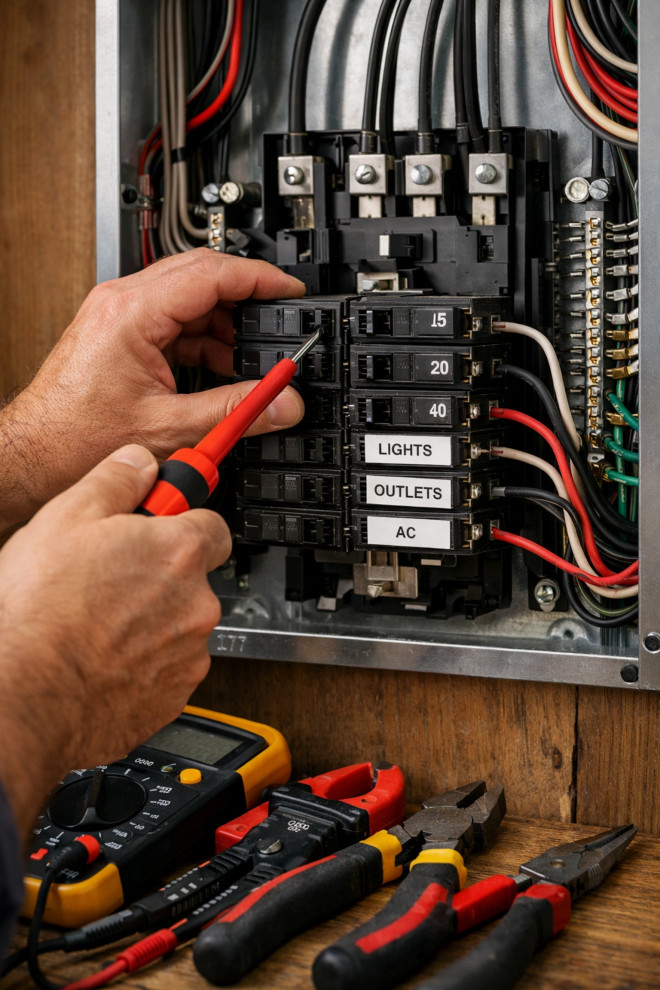
Electrical upgrades often top the list. Older garage conversions may have extension cords running from the main house or outdated panels that can't handle modern appliances. You'll likely need a dedicated electrical service, GFCI outlets in wet areas, and proper grounding throughout.
Plumbing is another common issue. If your ADU connects to the main house's sewer line, you may need backflow prevention devices. All plumbing must be properly vented and meet current code for fixture placement and drain sizing.
Fire egress is non-negotiable. Every bedroom needs at least one operable window or door that opens directly outside. If your converted garage has bedrooms with tiny windows or no windows at all, you'll need to add properly sized egress windows. These aren't just code requirements: they're literal lifesavers in an emergency.
Foundation work can be the most expensive upgrade, but it's not always necessary. If your ADU was built on an existing garage foundation, it may already meet seismic standards. However, if inspectors find settlement issues or inadequate anchoring to the foundation, you'll need to address those concerns.
Step 5: Final Inspections and Certificate of Occupancy
After completing all required upgrades, you'll schedule final inspections with LADBS. This typically involves multiple inspections: rough framing (if you opened walls), electrical, plumbing, mechanical, and final building inspection.
Be prepared for this phase to take some time. City inspectors have busy schedules, and you may need to coordinate multiple site visits. During inspections, the inspector will verify that all work matches approved plans and meets current building codes.
If the inspector finds any deficiencies, you'll receive a correction notice outlining what needs to be fixed before they'll sign off. Don't panic: this is normal. Address the issues, request a re-inspection, and keep moving forward.
Once all inspections pass and all three city departments approve your paperwork, you'll receive the golden ticket: a Certificate of Occupancy. This official document confirms your ADU is legal, safe, and approved for habitation. It's the finish line you've been working toward.
The entire process typically takes 4 to 12 weeks, though timelines vary based on the complexity of required upgrades and city inspection availability.
The Benefits: Why Legalizing Is Worth the Effort
Let's talk about what you gain from this process. First, there's the financial benefit. A legalized ADU can add $150,000 to $300,000 to your property's appraised value. That's not speculative: it's real equity you can access through refinancing or realize when you sell.
You also unlock legal rental income. With an unpermitted unit, you're always one complaint away from costly fines or forced eviction of your tenants. A legal ADU means you can rent confidently, advertise openly, and even qualify for landlord insurance that covers the structure.
There's peace of mind too. No more worrying about code enforcement knocking on your door. No more anxiety when selling your home or applying for refinancing. Your ADU is documented, inspected, and approved.
For families, a legalized ADU provides flexible, multi-generational living options. Aging parents can live independently on your property. Adult children have a place to land while saving for their own homes. You create housing solutions that work for your family's unique needs.
How Coleman Build Handles the Permit Headaches
We get it: navigating city departments, coordinating inspections, and managing construction while maintaining your daily life is overwhelming. That's exactly why our clients come to us.
At Coleman Build, our "Every Detail Matters" approach means we handle the entire legalization process from initial assessment through final inspection. We work with the city on your behalf, manage all contractors and tradespeople, and keep your project moving forward on schedule.
We've legalized dozens of unpermitted ADUs across Los Angeles, and we know exactly what LADBS inspectors look for. We catch issues before they become problems, and we build relationships with city staff that keep your application flowing smoothly through the system.
More importantly, we treat your property like our own. We understand this isn't just about paperwork: it's about protecting your investment and creating safe, legal housing for people you care about.
Moving Forward with Confidence
Legalizing an unpermitted ADU might seem daunting, but it's more accessible in 2026 than ever before. With amnesty programs, streamlined processes, and experienced contractors who know the system, you can transform your bootleg unit into a valuable, legal asset.
The question isn't whether you can legalize your ADU: it's whether you're ready to take that first step. Start with an assessment, gather your documentation, and partner with professionals who understand the landscape. Your unpermitted ADU has already been serving your family well. Now it's time to make it official.
If you're ready to explore legalizing your ADU or want to discuss your specific situation, reach out to our team. We'll walk you through your options and create a roadmap that makes sense for your property and budget. Because when it comes to building your family's future, every detail truly matters.