
Garage Conversions in LA: Can You Legalize an Older, Unpermitted Space?
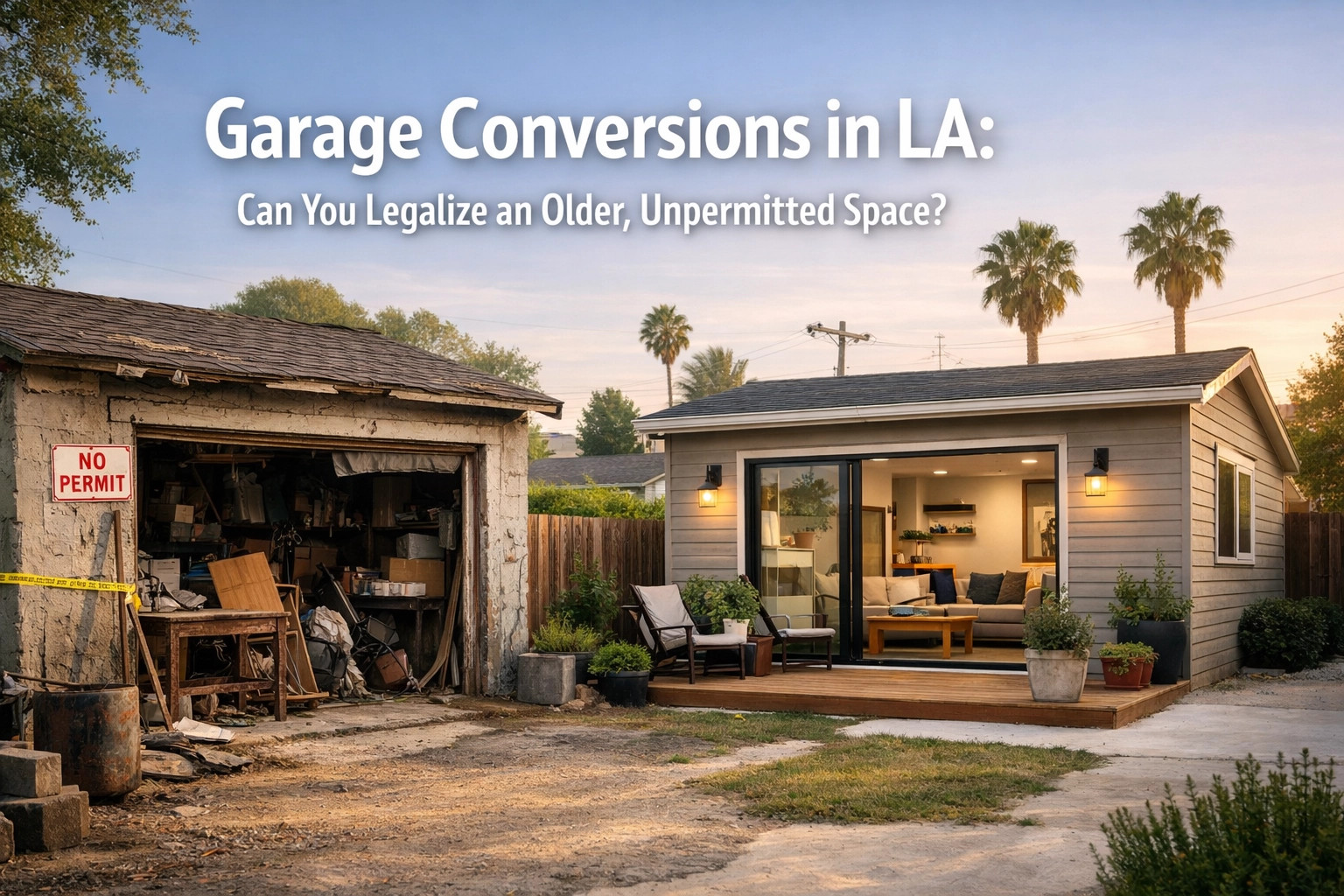
You've discovered that the cozy living space in your garage, whether it was there when you bought the property or added by a previous owner, was never properly permitted. Now you're wondering if you can bring it into compliance and turn it into a legal rental unit or ADU. The short answer is yes, but the process requires patience, investment, and a clear understanding of what you're getting into.
We've worked with countless Los Angeles homeowners facing this exact situation. The good news is that legalizing an unpermitted garage conversion is absolutely possible. The challenging news is that it won't be as simple as getting a retroactive stamp of approval.
Why Unpermitted Garage Conversions Are So Common
Garage conversions have been happening in Los Angeles for decades. Maybe a homeowner needed extra space for an aging parent, or perhaps they wanted to generate rental income during tougher financial times. The work was done quickly, often without pulling permits to avoid fees, delays, or scrutiny.
We understand why this happens. The permitting process can feel overwhelming, and the costs can seem prohibitive. But unpermitted work creates complications down the line: when you try to sell your property, refinance your mortgage, or yes, when you want to officially legalize the space and rent it out.
The Reality: Your Garage Conversion Will Be Treated as a New Build
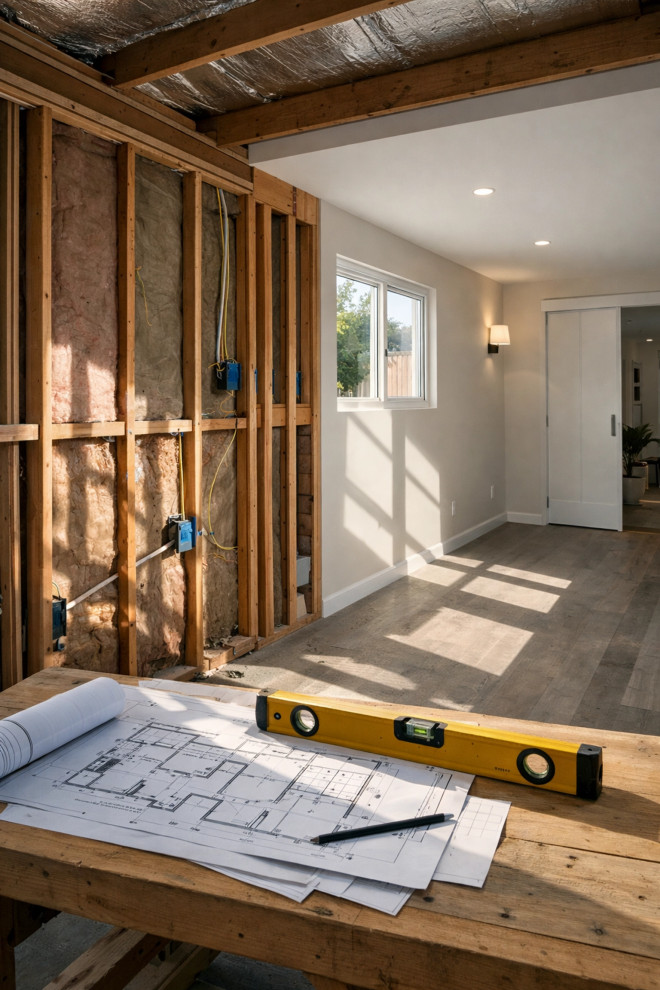
Here's what catches most homeowners off guard: when you apply to legalize an unpermitted garage conversion in Los Angeles, the local jurisdiction treats it as a brand-new construction project rather than a straightforward conversion. This means your existing structure needs to meet current building code standards for its new use as a dwelling unit.
Those codes have likely changed significantly since the work was originally done. What might have been acceptable construction practice 10 or 20 years ago may not meet today's requirements for electrical systems, plumbing, insulation, fire safety, or structural integrity.
This approach makes sense when you consider it from the city's perspective. Without permit records, there's no documentation proving the original work was done safely or to code. The city needs assurance that the space is habitable and safe for occupants.
What the Legalization Process Actually Looks Like
Legalizing your unpermitted garage conversion involves several distinct steps:
1. Initial Assessment and Documentation
Start by gathering any documentation you have about the existing structure. This includes property records, old photographs, or any paperwork from when the conversion might have been done. If you can prove the garage structure itself was legally built in its current location, you may be able to maintain certain non-conforming aspects like reduced setbacks.
2. Hiring the Right Professionals
You'll need an architect or designer to create plans that show the existing conditions and proposed upgrades to bring everything up to code. Working with professionals who specialize in ADUs and understand Los Angeles Department of Building and Safety (LADBS) regulations can save you significant time and frustration.
3. Submitting New Plans
Your plans will need to go through the standard plan check process. Unfortunately, LA County's streamlined garage conversion permitting program: which can reduce timelines and costs by 30 to 40 percent: explicitly excludes projects with unpermitted construction within the building. You'll be going through the regular permitting pathway, which typically takes longer.
4. Making Required Upgrades
Once your plans are approved, the real work begins. You'll need to upgrade the structure to meet current codes, which we'll explore in more detail below.
5. Passing Inspections
Throughout the construction process, you'll have multiple inspections: foundation, framing, electrical, plumbing, insulation, and final. Each inspection must pass before you can move forward.
Common Structural Upgrades You'll Need
Based on our experience with legalizing garage conversion projects in Los Angeles, here are the upgrades you should anticipate:
Electrical System Overhaul
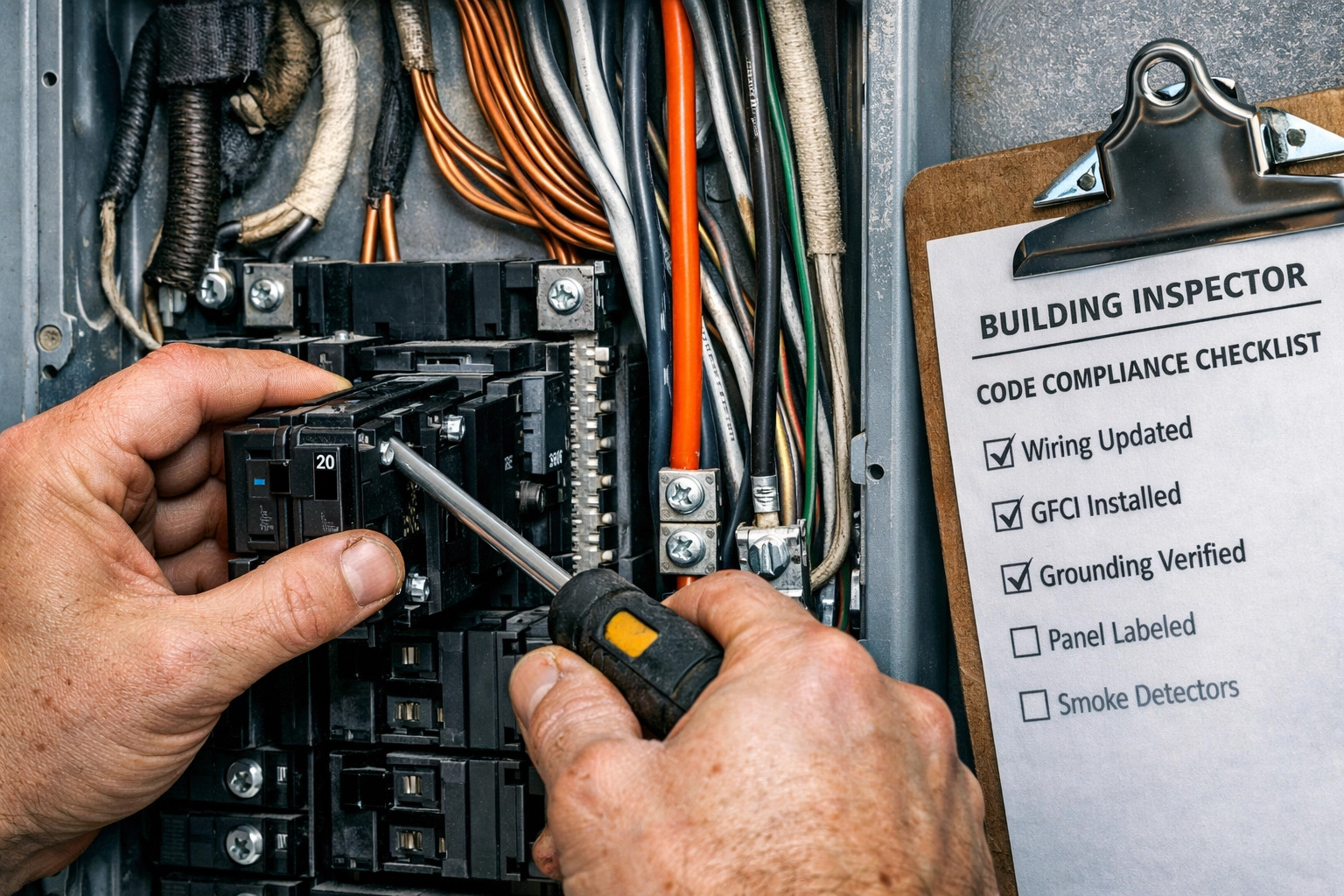
Older unpermitted conversions often have electrical work that doesn't meet current safety standards. You may need to install a new electrical panel, update wiring throughout the space, add proper GFCI outlets in wet areas, and ensure adequate lighting meets energy efficiency requirements.
Plumbing Modifications
If your conversion includes a bathroom or kitchen, the plumbing likely needs significant work. This includes proper venting for all fixtures, updated pipe materials, compliance with current water efficiency standards, and proper connection to the sewer system.
Insulation and Energy Efficiency
California's Title 24 energy standards have become increasingly stringent. Your garage conversion will need proper wall and ceiling insulation, energy-efficient windows and doors, adequate ventilation, and potentially upgraded HVAC systems to meet current requirements.
Fire Safety Features
Modern building codes require specific fire safety measures that older conversions typically lack. This includes fire-rated drywall separating the ADU from any attached garage spaces, proper smoke and carbon monoxide detectors, appropriate fire egress windows or doors, and fire sprinklers in some cases.
Foundation and Structural Work
Depending on how the original conversion was done, you might need foundation work, proper headers over windows and doors, structural reinforcement to meet seismic requirements, or corrections to framing that doesn't meet code.
The Documentation Challenge
One of the most significant hurdles in legalizing an unpermitted garage conversion is proving the garage structure itself was legally built. If you can demonstrate through property records, building permits, or other documentation that the garage was originally constructed with proper permits, you may be able to maintain certain existing conditions that would otherwise be problematic.
For instance, if your garage sits closer to the property line than current setback requirements allow, you might not need to move it: if you can prove it was legally placed there originally. Without this documentation, you may face additional requirements or need to make more extensive modifications.
We recommend searching through:
- County assessor records
- Previous title reports
- Historical aerial photographs
- Original building permits for your home (which may reference the garage)
- Previous survey documents
Turning Your Legalized Space into a Rental Unit
Once you've successfully brought your garage conversion up to code and received final approval, you'll have a legal ADU that you can rent out or use for family members. This opens up opportunities that weren't available with an unpermitted space.
A legal ADU allows you to advertise openly for tenants, secure proper insurance coverage, claim legitimate tax deductions, add documented value to your property, and refinance or sell without disclosure complications.
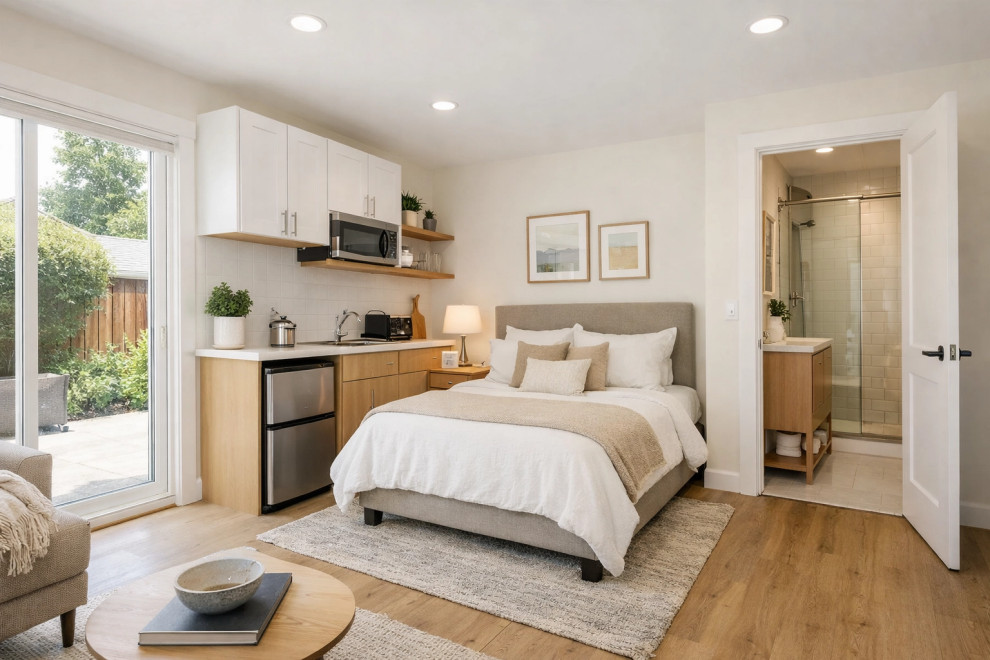
The rental income potential for a legalized garage conversion ADU in Los Angeles can be substantial. Depending on your neighborhood, even a modest studio-sized unit can generate between $1,500 and $2,500 per month in rental income, helping offset the investment you made in bringing it up to code.
Working with Experienced Professionals
We can't stress enough how valuable it is to work with contractors and design professionals who have specific experience with ADU projects and unpermitted space legalization in Los Angeles. The regulations are complex and constantly evolving. Someone who regularly navigates LADBS requirements will know how to anticipate potential issues, what documentation strengthens your case, and how to communicate effectively with plan checkers and inspectors.
At Coleman Build LLC, we've helped numerous homeowners through this exact process. We understand the unique challenges of working with existing unpermitted structures and know how to develop cost-effective solutions that bring spaces up to code without unnecessary expense.
The Investment vs. The Payoff
Legalizing an unpermitted garage conversion isn't cheap. Between design fees, permitting costs, construction work to bring everything up to code, and inspection fees, you might invest anywhere from $30,000 to $100,000 or more, depending on the scope of required upgrades.
That might seem daunting, but consider the alternatives. An unpermitted space creates liability, limits your financing options, complicates property sales, and prevents you from legally renting the space for income. The investment in legalization transforms a liability into an asset.
Moreover, with LA's current ADU incentives and the growing demand for rental housing, a legal ADU adds significant value to your property: often more than the cost of the legalization work.
Moving Forward with Confidence
If you're sitting on an unpermitted garage conversion, you have options. The path to legalization requires commitment and investment, but it results in a valuable, legal dwelling unit that enhances your property and potentially generates income for years to come.
Start by having your space professionally evaluated. We can help you understand what upgrades would be required, develop a realistic budget, and create a timeline for bringing your garage conversion into compliance. The process may take several months, but the outcome: a legal, safe, rentable ADU: makes it worthwhile.
Your unpermitted garage conversion doesn't have to remain in limbo. With the right approach and experienced guidance, you can transform it into a fully legal space that serves your family or generates rental income without the worry that comes with unpermitted construction. Reach out to our team to discuss your specific situation and explore the possibilities for your property.