
ADU Rental Income in LA: 5 Steps to Turn Your Backyard Into a Money-Making Machine
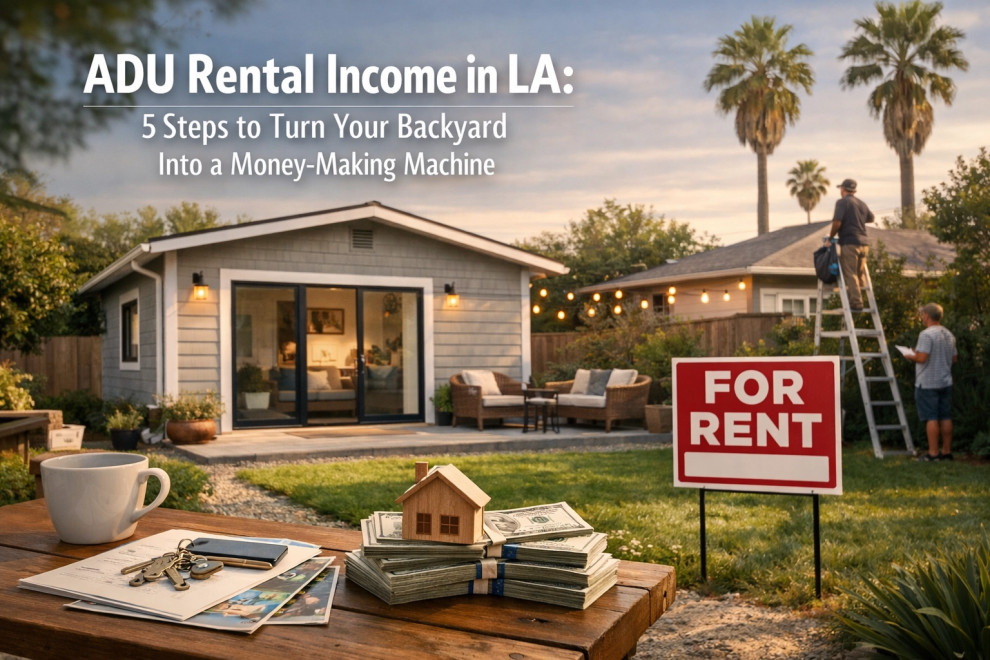
Your backyard holds more potential than you might think. In Los Angeles, where housing demand continues to outpace supply, accessory dwelling units have become one of the most reliable paths to passive income. We've helped dozens of homeowners transform unused space into rental properties that generate consistent monthly revenue: and we've seen firsthand how strategic planning can make the difference between a modest return and a truly lucrative investment.
The numbers tell a compelling story. ADUs across Los Angeles generate anywhere from $1,700 to $4,000 per month in rental income, depending on size, location, and amenities. But turning your backyard into a money-making asset requires more than construction: it demands thoughtful strategy from day one.
Step 1: Understand Your Rental Income Potential
Before breaking ground, you need realistic expectations about what your ADU can earn. The rental market varies dramatically across Los Angeles County, and your specific neighborhood plays a significant role in determining monthly income.
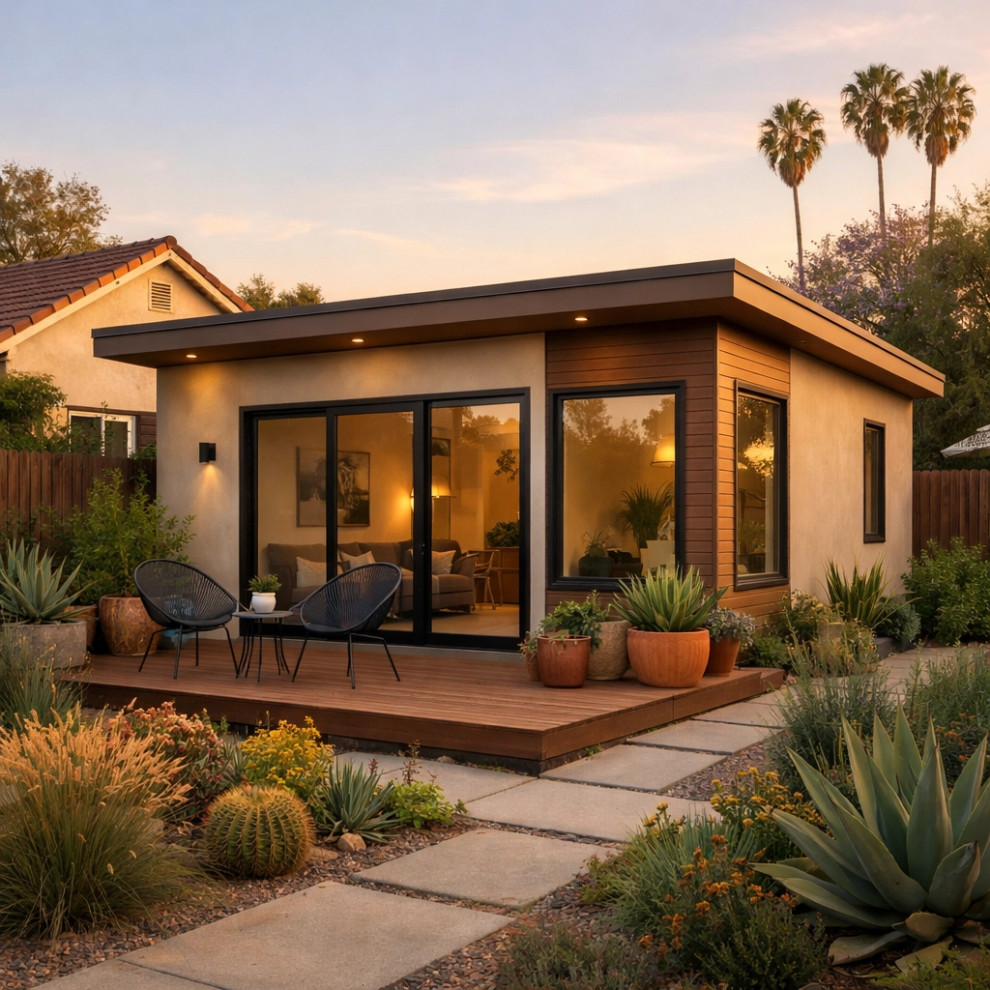
A studio ADU typically rents for $1,800 to $2,500 per month in most LA neighborhoods. One-bedroom units command $2,200 to $3,000 monthly, while two-bedroom ADUs can bring in $2,800 to $4,500 or more. Junior ADUs, which are smaller units created within your existing home's footprint, usually rent for $1,200 to $1,800 per month.
Location matters immensely. An ADU in Silver Lake or Culver City often rents for 20-30% more than a comparable unit in outlying areas. Proximity to Metro lines, job centers, and entertainment districts drives rental premiums. We've seen 600-square-foot ADUs near downtown LA fetch $2,800 monthly, while similar units in quieter suburban neighborhoods settle around $2,000.
Your property's existing features also influence rental potential. An ADU with a separate entrance and private outdoor space naturally appeals to tenants willing to pay premium rates. Garage conversions, which typically cost less to build, still generate strong returns: usually $2,000 to $3,000 monthly: making them an attractive option for homeowners working with tighter budgets.
Step 2: Design Your ADU With Renters in Mind
Smart design decisions early in the planning process directly impact your rental income for years to come. We always encourage homeowners to think beyond basic shelter and consider what today's renters actually value.
Open floor plans maximize the sense of space in smaller units. A well-designed 500-square-foot studio can feel surprisingly spacious when you eliminate unnecessary walls and create distinct zones for sleeping, living, and cooking. Natural light makes a dramatic difference too: strategically placed windows and glass doors transform cramped quarters into inviting homes.
Storage solutions matter more than you might expect. Built-in closets, under-stair storage, and clever cabinetry help renters live comfortably in compact spaces. We've found that ADUs with thoughtful storage command higher rents and experience less tenant turnover.
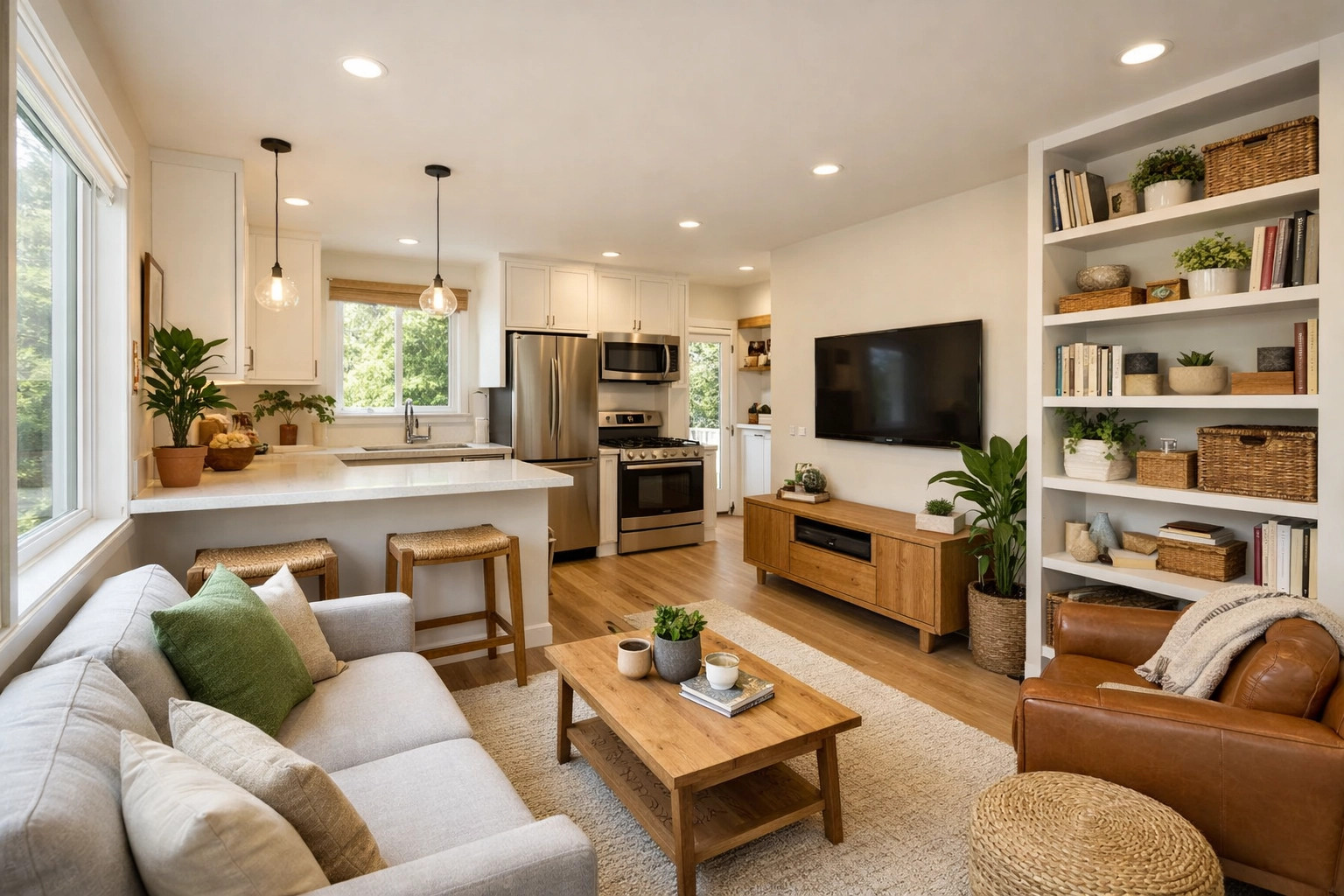
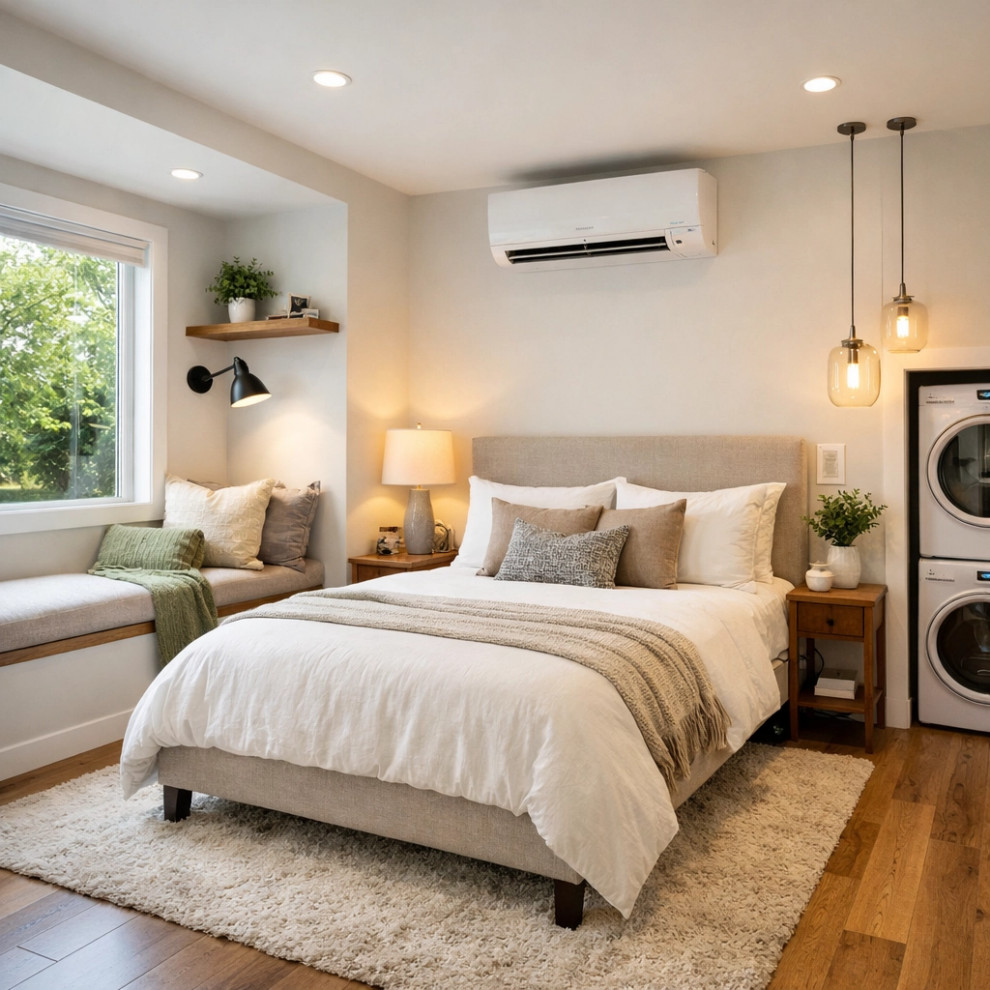
In-unit laundry consistently tops the list of must-have amenities for LA renters. Even a compact stackable washer and dryer set can justify a rent increase of $150 to $200 monthly. The investment typically pays for itself within the first two years.
Climate control cannot be overlooked in Southern California. While LA enjoys mild weather, summer heat waves and occasional cold snaps make heating and cooling systems essential for tenant comfort. Mini-split systems offer efficient temperature control without the expense of traditional HVAC ductwork.
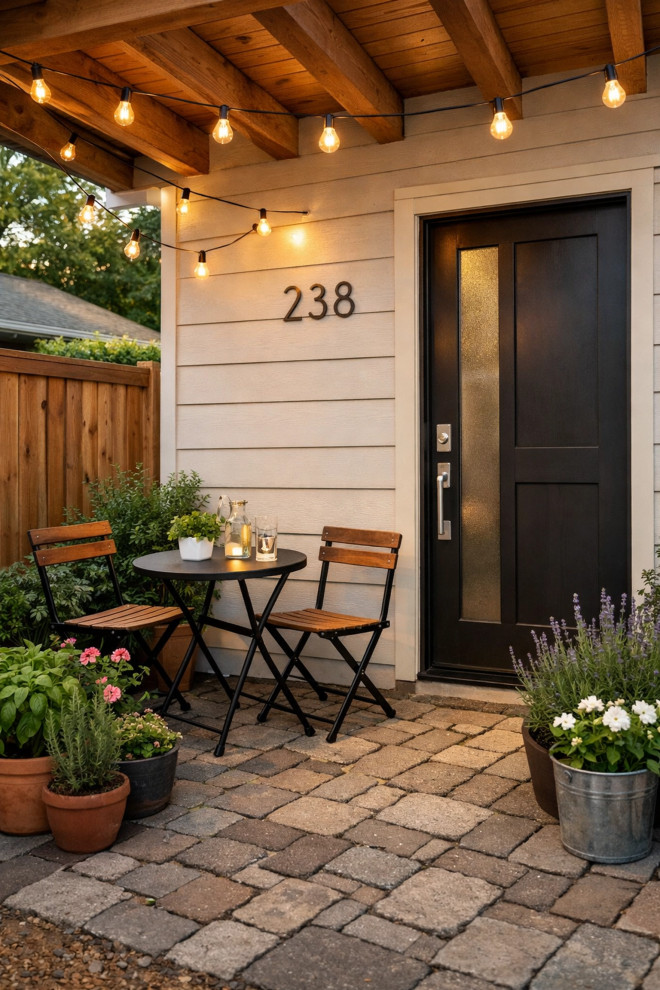
Outdoor space adds tangible value. A private patio or small yard area: even just 100 to 200 square feet: can increase monthly rent by $150 to $250. Tenants appreciate having somewhere to enjoy their morning coffee or unwind after work, especially in urban neighborhoods where private outdoor areas are scarce.
Step 3: Navigate LA's Rental Regulations
Understanding local rental rules protects your investment and prevents costly compliance issues down the road. Los Angeles has specific regulations governing how you can rent your ADU, and these rules differ significantly depending on whether you choose long-term or short-term rentals.
Long-term rentals remain the most straightforward path for most ADU owners. The city defines long-term tenancies as leases extending 30 days or longer. These arrangements provide stable, predictable income and typically involve less management overhead. You'll need to comply with standard landlord-tenant laws, maintain habitability standards, and follow proper eviction procedures if issues arise.
Short-term rentals: think Airbnb or Vrbo: operate under stricter regulations in Los Angeles. The city requires hosts to register, limits rentals to your primary residence (including any ADU on the property), and caps the number of rental days per year. Home-sharing ordinances mandate that hosts live on-site during short-term stays, which means you cannot rent both your main house and ADU simultaneously as vacation rentals while living elsewhere.
Many homeowners find that long-term ADU rentals offer better risk-adjusted returns. While nightly rates for short-term rentals might seem attractive, vacancy periods, cleaning costs, and management fees often erode profits. Long-term tenants provide consistent monthly income without the constant turnover and administrative burden.
Rent control considerations apply primarily to properties built before October 1978. Most new ADUs fall outside rent control provisions, giving you greater flexibility in setting and adjusting rental rates. However, staying informed about evolving local regulations helps you plan for potential future restrictions.
Step 4: Calculate Your True Return on Investment
Raw rental income tells only part of the story. Understanding your actual ROI requires factoring in construction costs, ongoing expenses, and realistic projections about vacancy and maintenance.
Construction costs vary widely based on your chosen ADU type. Garage conversions typically range from $70,000 to $120,000, making them the most budget-friendly option. New detached ADUs cost considerably more: expect to invest $150 to $400 per square foot, with total project costs ranging from $90,000 to $400,000 depending on size, finishes, and site conditions.
Let's walk through a realistic example. Suppose you build a detached one-bedroom ADU for $200,000 that rents for $2,500 monthly. That's $30,000 in annual gross rent. Now subtract operating expenses:
- Property tax increase: Roughly $2,000 annually (varies by assessed value increase)
- Insurance addition: Approximately $600 annually
- Maintenance reserve: $1,500 to $3,000 annually
- Vacancy allowance: $1,500 annually (assuming 5% vacancy rate)
- Utilities (if included): Variable, but often $100-200 monthly
After accounting for these expenses, your net operating income might land around $21,000 annually: a 10.5% return on your $200,000 investment. That's a solid return compared to many traditional investment vehicles, and it doesn't account for property value appreciation or tax benefits.
Speaking of tax advantages, rental property expenses are deductible. Mortgage interest, property taxes, insurance, repairs, and depreciation all reduce your taxable income. We recommend consulting with a tax professional who understands real estate investments to maximize these benefits.
Beyond cash flow, ADUs boost your overall property value by 20-30% in high-demand markets. In Los Angeles, homeowners commonly see property value increases of $100,000 to $200,000 after adding an ADU. This appreciation represents additional return on your investment when you eventually sell.
Step 5: Maximize Income Through Strategic Upgrades
Premium features justify premium rents. Certain upgrades deliver outsized returns by attracting quality tenants willing to pay 15-25% above market rates.
Modern finishes signal that your ADU is a quality rental worth premium pricing. Quartz countertops, stainless steel appliances, and contemporary light fixtures cost only marginally more than builder-grade alternatives but significantly impact perceived value. Tenants form lasting impressions within minutes of walking through a unit: first impressions directly influence whether they'll meet your asking price.
Dedicated parking proves especially valuable in dense LA neighborhoods where street parking is scarce. Even a single designated spot can justify an additional $100 to $150 monthly in rent. If your property layout allows it, creating off-street parking for your ADU tenant provides a competitive advantage over neighboring rentals.
Energy-efficient features reduce operating costs while appealing to environmentally conscious renters. LED lighting, low-flow fixtures, and well-insulated walls lower utility bills. When utilities are included in rent, these efficiencies directly increase your bottom line. When tenants pay their own utilities, energy-efficient units become more attractive and help with tenant retention.
Security features like keyless entry systems, motion-sensor lighting, and secure package delivery areas add minimal cost but enhance tenant peace of mind. These small touches differentiate your rental in a competitive market.
Smart home technology appeals to younger renters who expect modern conveniences. Programmable thermostats, smart locks, and app-controlled lighting don't require significant investment but position your ADU as a premium rental option.
Building Your Path to Passive Income
Transforming your backyard into a rental income stream requires planning, investment, and attention to detail: but the financial rewards can be substantial. Los Angeles homeowners who approach ADU projects strategically consistently achieve returns that outpace traditional investments while building long-term equity.
We've guided countless property owners through this process, from initial feasibility assessments through final inspections. The homeowners who see the best results share one common trait: they treat their ADU as a serious investment rather than a construction project. They research their local rental market, design with tenants in mind, understand regulations, and invest in features that command premium rents.
Your backyard holds untapped potential. With thoughtful planning and strategic execution, it can become a reliable source of passive income that strengthens your financial position for decades to come. Whether you're looking to offset your mortgage, fund retirement, or simply build wealth through real estate, an ADU rental represents one of the most accessible paths to achieving those goals in today's Los Angeles market.
Ready to explore how an ADU could work on your property? Our team at Coleman Build brings decades of residential construction experience to every project, and we're here to help you navigate every step of the process (from initial planning through welcoming your first tenant.)