
7 Mistakes You're Making with Your Bathroom Renovation (and How to Fix Them)

We've seen it countless times in Los Angeles homes, beautiful bathroom renovations that look magazine-worthy on the surface but hide serious problems underneath. The truth is, bathroom remodels involve more complexity than most homeowners realize, and even small oversights can lead to expensive repairs down the road.
Whether you're planning a complete overhaul or a modest refresh, understanding these common pitfalls can save you thousands of dollars and months of frustration. Let's walk through the seven biggest bathroom renovation mistakes we encounter regularly, and more importantly, how to avoid them.
1. Installing Inadequate Ventilation
Your bathroom might look stunning with its new tile and fixtures, but without proper ventilation, you're setting yourself up for hidden disaster. We regularly uncover moisture damage in walls and ceilings because homeowners either skipped the exhaust fan upgrade or installed one that's woefully undersized for the space.
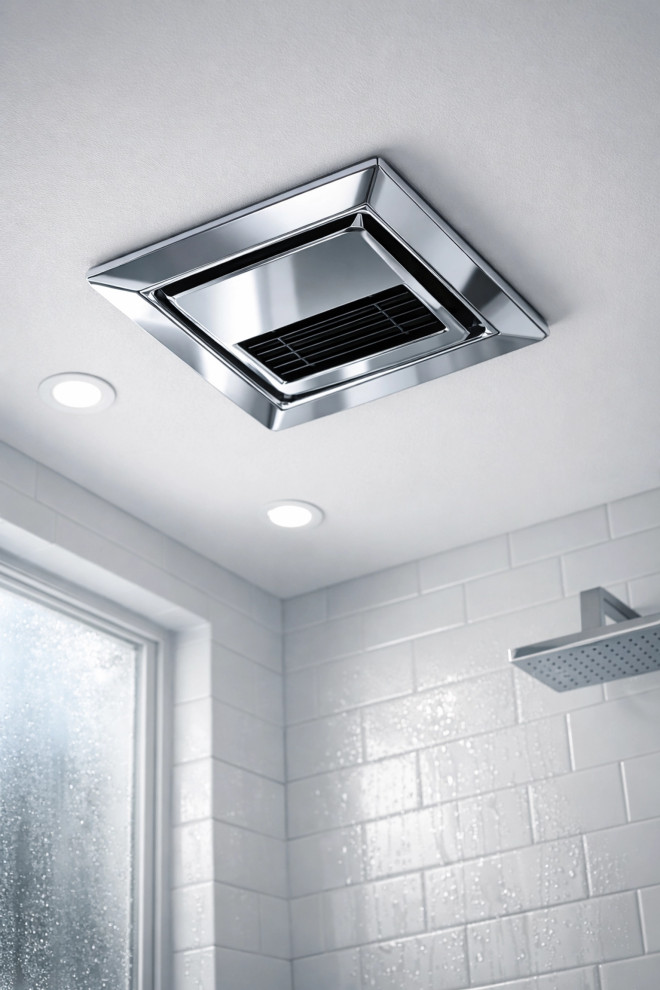
The problem goes deeper than you might think. Many older Los Angeles homes have fans that vent into the attic rather than outdoors, trapping moisture in spaces where it causes rot, mold growth, and structural damage you won't see until it's extensive. Simply opening a window doesn't cut it, bathroom moisture needs dedicated mechanical ventilation to prevent long-term problems.
How to fix it: Install a properly sized exhaust fan that vents directly to the exterior of your home. We calculate the right fan capacity based on your bathroom's square footage and ceiling height. The investment in a quality fan with sufficient CFM (cubic feet per minute) rating protects everything else you're putting into the renovation. For most standard bathrooms, you'll want at least 50 CFM, but larger or steam-heavy spaces may require more powerful systems.
2. Ignoring Subfloor Condition
Here's something that catches many DIY renovators off guard, that beautiful tile you're planning will crack and fail if it's installed over a compromised subfloor. We often find homeowners who've laid new tile directly over old tile, adding weight to an already weak foundation. The result? Cracked grout lines, loose tiles, and that unsettling bounce when you step out of the shower.
How to fix it: Before any tile work begins, we remove existing flooring down to the subfloor and assess its condition. Sometimes we discover water damage from old leaks or find that the framing needs reinforcement. Yes, this adds time and cost to your project, but it ensures your new bathroom will last decades rather than years. A proper subfloor repair involves addressing any rot, leveling uneven areas, and installing an appropriate underlayment rated for wet environments.
3. Taking DIY Plumbing Too Far
We understand the appeal of saving money on a bathroom remodel: these projects aren't cheap, especially in Los Angeles. But plumbing is one area where DIY shortcuts consistently come back to haunt homeowners. We've opened walls to find mismatched pipe materials, poorly soldered joints, incorrect drain slopes, and connections that were already leaking.
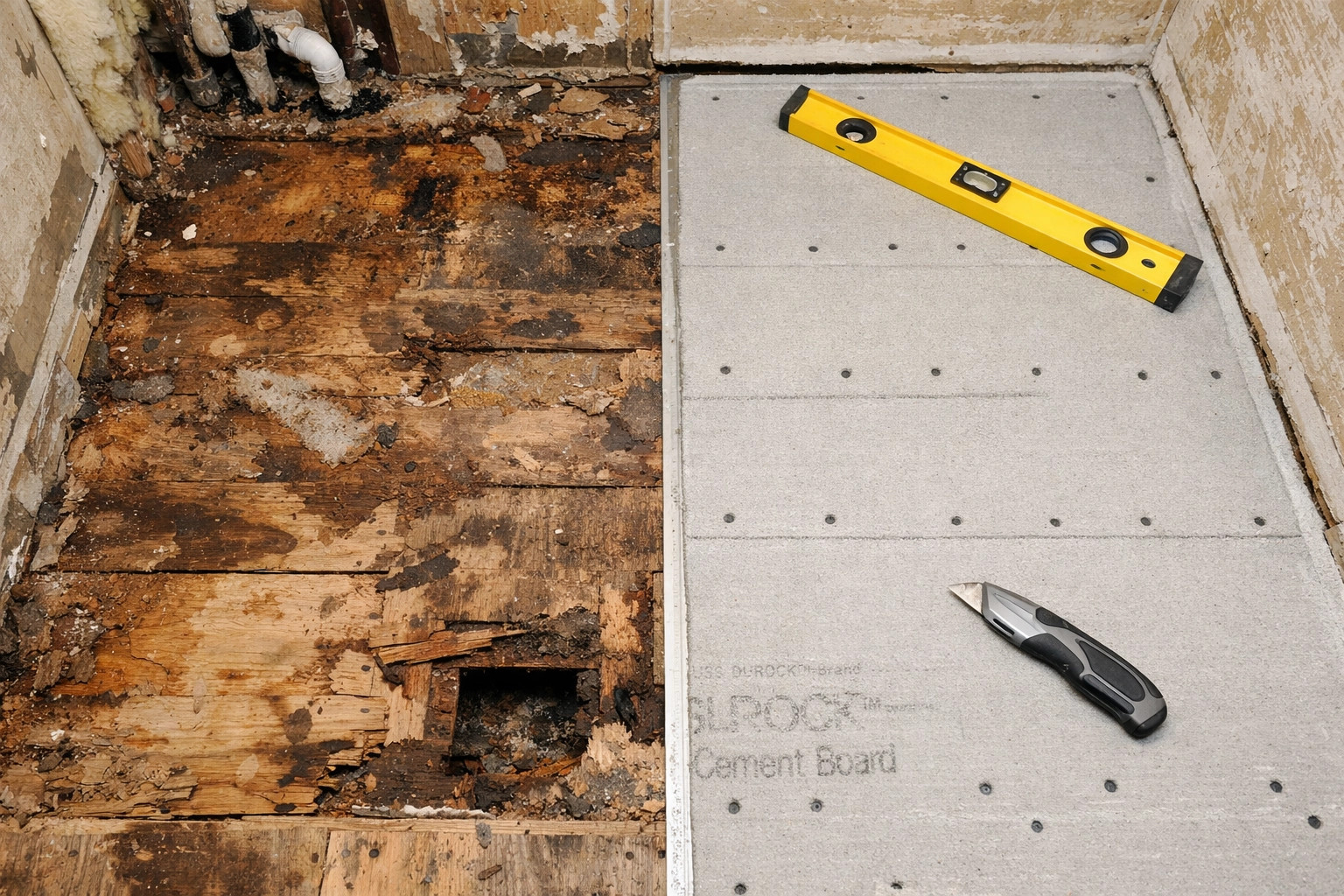
Even a small, slow leak causes devastating damage over time. Water seeps into wall cavities, rotting framing and creating ideal conditions for mold growth. By the time you notice the problem, the repair bill has multiplied several times over.
How to fix it: Hire a licensed plumber, particularly when you're opening walls anyway. This is actually the perfect opportunity to upgrade outdated galvanized pipes, replace aging copper, or fix those problematic connections that have been waiting to fail. A licensed professional ensures your plumbing meets current code requirements and will hold up under daily use. The permit process might feel like a hassle, but it protects your investment and ensures work is done safely.
4. Cutting Corners on Electrical Safety
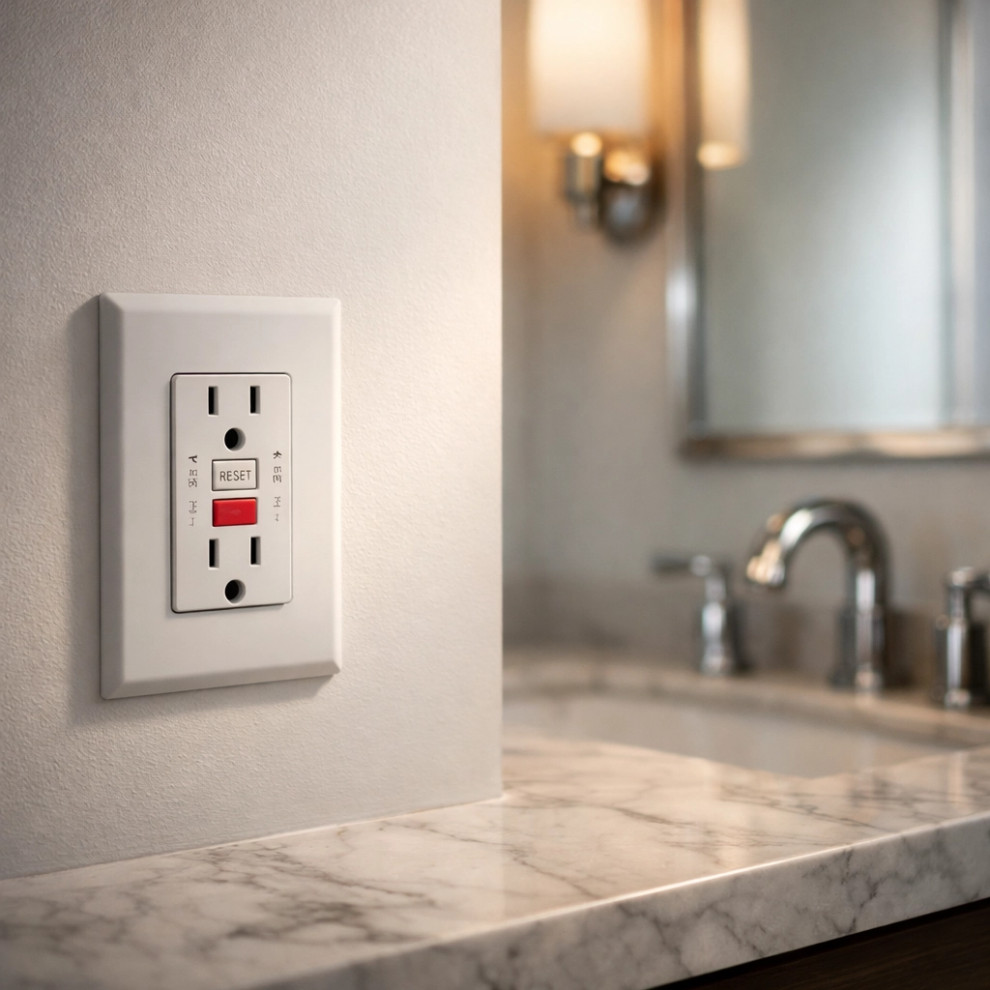
Over 90 percent of the bathroom renovations we inspect contain electrical work that needs correction. This isn't just about code compliance: it's about preventing fires and electrocution hazards. Common issues include outlets without GFCI protection, light fixtures installed too close to shower enclosures, and wiring that wasn't rated for damp environments.
Los Angeles has strict electrical codes for bathrooms, and for good reason. Water and electricity create dangerous combinations when proper safeguards aren't in place.
How to fix it: Every outlet in your bathroom needs GFCI protection. Period. Additionally, ensure your electrician maintains proper clearances between fixtures and water sources, uses moisture-rated boxes and covers, and installs adequate lighting that meets both code and your functional needs. The permit process for electrical work might seem tedious, but inspectors catch potentially dangerous mistakes before they become tragedies. We've seen too many bathroom fires and shock incidents that could have been prevented with proper electrical installation.
5. Skipping Proper Waterproofing
This might be the most expensive mistake on our list. Many homeowners assume that tile and grout create a waterproof barrier: they don't. Without proper waterproofing membranes behind your beautiful tile work, water gradually penetrates through to the framing and subfloor beneath.
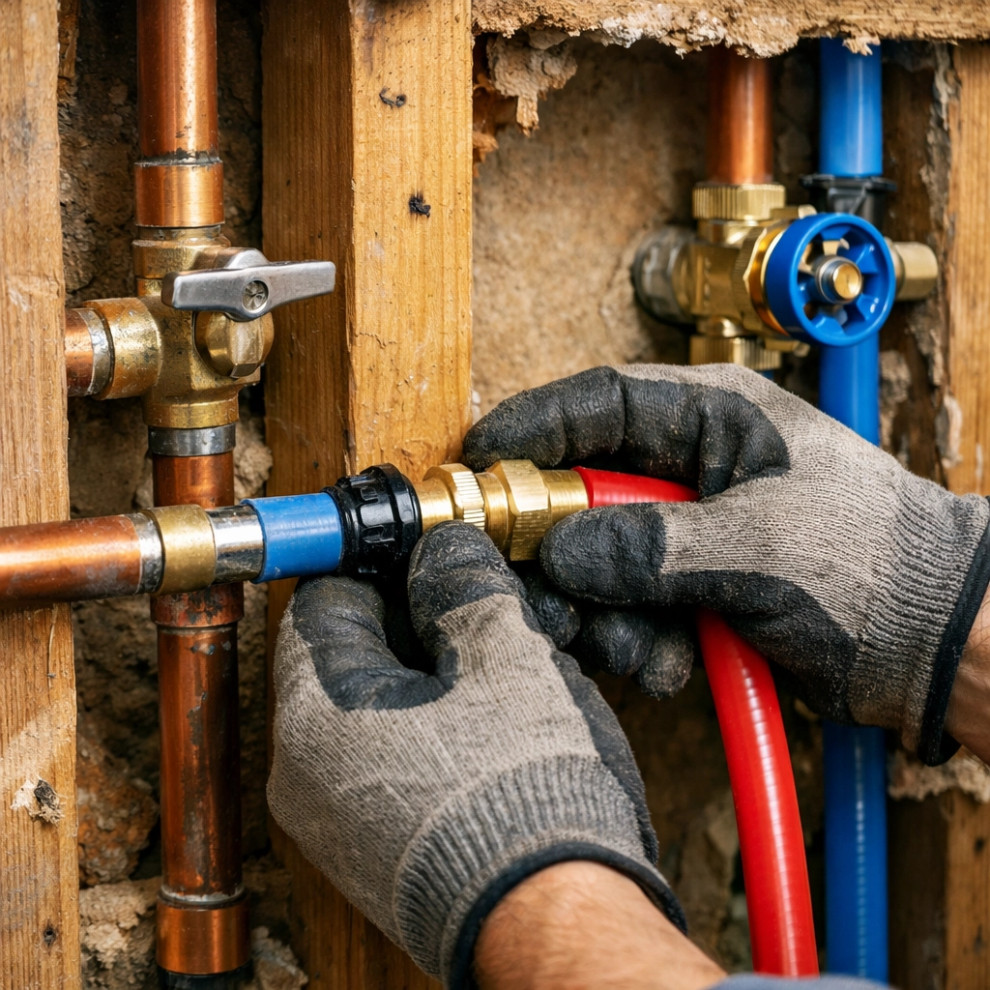
We regularly demo shower enclosures that look fine on the surface but hide completely rotted walls underneath. The damage isn't just cosmetic: it's structural and expensive to repair.
How to fix it: A complete waterproofing system includes membranes applied to all wet areas, properly sealed seams, protected inside and outside corners, waterproofed niches and curbs, and a correctly sloped shower base with appropriate drain installation. This layered approach ensures water stays where it belongs. We use products specifically rated for continuous wet exposure and follow manufacturer installation guidelines precisely. The waterproofing stage might not be Instagram-worthy, but it's absolutely critical to your bathroom's longevity. This is also where hiring experienced professionals makes a significant difference: proper waterproofing requires specific techniques and attention to detail.
6. Jumping In Without a Solid Plan
We understand the excitement of starting a bathroom renovation. You've been living with that outdated space for years, and you're ready for change now. But jumping into demo before you've thoroughly planned leads to costly delays, blown budgets, and design decisions you'll regret.
Bathrooms involve coordinating multiple trades: plumbers, electricians, tile setters, carpenters: and each depends on the work before them being done correctly. Without a clear plan, you end up making reactive decisions that don't serve your long-term needs.
How to fix it: Start by defining your goals. Are you renovating for personal enjoyment, preparing to sell, or addressing functional problems? Your priorities shape every decision that follows. We work with homeowners to create detailed plans that balance aesthetics with functionality, always keeping your budget and timeline realistic. This planning phase includes selecting materials, finalizing layouts, scheduling inspections, and ordering long-lead items before demo day arrives. A few extra weeks in planning can save months of construction delays. Consider creating a priority list: must-haves versus nice-to-haves: so you can make informed trade-offs if budget constraints arise.
7. Underestimating the True Cost
Bathroom renovations consistently cost more than homeowners initially expect, and we see this surprise derail projects regularly. The challenge is that bathrooms require multiple specialized trades, and each brings both labor and material costs. Additionally, opening walls almost always reveals hidden issues: old water damage, outdated wiring, compromised framing: that need addressing before you can move forward.
Los Angeles construction costs run higher than many other markets, and bathroom renovations here can range from $25,000 to $75,000 or more depending on size and scope. That's not us trying to upsell: that's the reality of proper construction.
How to fix it: Build a realistic budget that accounts for all trades involved, quality materials that will last, permit and inspection fees, and a healthy contingency fund for unexpected issues. We typically recommend setting aside 15-20 percent of your budget for surprises. This cushion means you can address problems properly rather than cutting corners or stopping mid-project when funds run out. Remember that investing in quality work now prevents expensive repairs later. We've found that homeowners who budget realistically from the start experience far less stress and achieve better results.
You can explore some of our completed bathroom renovations to get a sense of what's possible with proper planning and execution.
Moving Forward with Confidence
Bathroom renovations represent significant investments in your Los Angeles home, both financially and in terms of daily life disruption. By understanding these common mistakes before you start, you're already ahead of most homeowners. The key is approaching your project with realistic expectations, proper planning, and a willingness to invest in quality work that will serve you for decades.
We've guided hundreds of Los Angeles homeowners through successful bathroom renovations, and we've learned that the best outcomes happen when homeowners and contractors work as partners from the beginning. If you're ready to start planning your bathroom renovation the right way, reach out to our team. We'll help you navigate the complexities, avoid these costly mistakes, and create a bathroom that's both beautiful and built to last.